
Pests can show up any time, turning your garden into a battleground.
You want a thriving, pest free garden without harsh chemicals putting your pets or plants at risk.
This guide breaks down year round garden pest control into simple steps you can follow each season.
You’ll find natural pest control tips, easy DIY remedies, and ways to protect your garden safely and effectively.
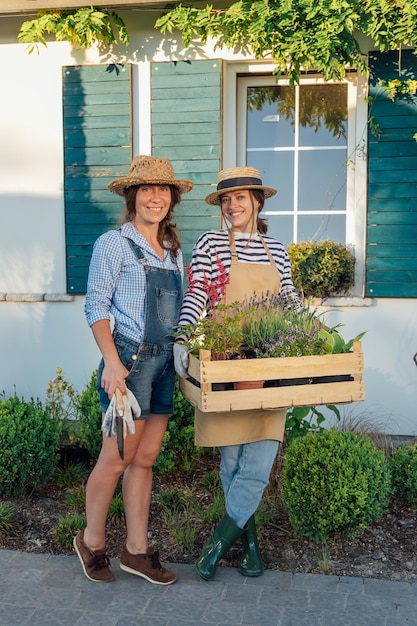
Each season brings unique challenges to your garden.
By adjusting your approach throughout the year, you can keep pests at bay naturally.
Spring is the time to lay the groundwork for a healthy garden.
Start by choosing companion plants that deter pests.
For instance, marigolds can help repel nematodes, while basil can keep flies away.
Make sure to prepare your soil well: adding compost not only enriches it but also strengthens plant defenses against pests.
Consider using row covers to protect young plants from insects and birds.
These can be easily set up and provide a physical barrier that is both effective and non-toxic.
Remember, healthy plants resist pests better, so keep an eye on new growth and water appropriately.
Summer’s warmth can bring a surge of pests.
Focus on maintaining a pest free garden by regularly inspecting plants for signs of trouble.
Look out for yellowing leaves or holes, which might indicate caterpillars or aphids.
Implement crop rotation to disrupt pest life cycles.
If you grew tomatoes in a spot last year, try planting beans there this season.
This simple shift can make a big difference.
Also, consider using sticky traps to catch flying insects before they settle in.
As the weather cools, it’s time to prepare your garden for the off-season.
Clear out any dead plant material: this reduces shelter for overwintering pests.
Apply a layer of mulch to your soil to protect beneficial organisms and regulate temperature.
Think about planting a cover crop like clover.
This not only enriches the soil but also keeps pests from finding a home.
Regularly check for pests and remove any you find by hand; it’s a simple step that can prevent future infestations.
Homemade solutions are often just as effective as commercial products, plus they’re safer for you and the environment.
Your kitchen holds many tools for natural pest control.
For example, garlic and chili pepper sprays can deter a wide range of insects.
Simply blend these ingredients with water and spray on affected areas.
Another option is a beer trap for slugs.
Bury a shallow container and fill it with beer to lure these pests away from your plants.
It’s an easy and effective solution that many gardeners swear by.
Utilize what’s in your garden to protect your plants.
Create a neem oil spray by mixing neem oil with water and a little dish soap.
This spray targets soft-bodied insects like aphids and is safe for beneficial organisms.
You can also try insecticidal soap made from simple ingredients.
Combine water, vegetable oil, and a small amount of soap to target pests like spider mites.
These solutions are not only effective but also eco-friendly.
Embrace natural methods to keep your garden thriving without harmful chemicals.
Strategically plant combinations can deter pests naturally.
For example, planting ladybugs and lacewings-attracting flowers like dill or fennel can help manage aphids.
The scent of these plants draws beneficial insects that feed on pests.
Encourage beneficial insects to take up residence in your garden.
Ladybugs and lacewings are great allies in controlling aphids and caterpillar populations.
Create an inviting environment with diverse plants and a small water source.
Craft sprays and traps that are both effective and safe.
A homemade bug spray using peppermint oil can repel a variety of insects while leaving a pleasant scent.
For more persistent pests, pheromone traps can disrupt mating and control populations.
By implementing these strategies and maintaining vigilance, you can enjoy a thriving, pest-free garden year-round.
Remember, the key is consistency and care—your garden will thank you!
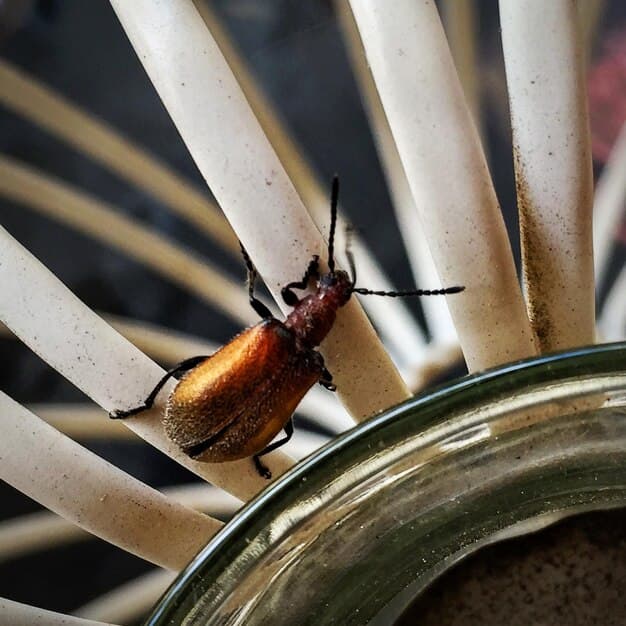
This guide offers natural, eco-friendly pest control methods—early monitoring, healthy soil, companion planting, beneficial insects, and homemade spra...
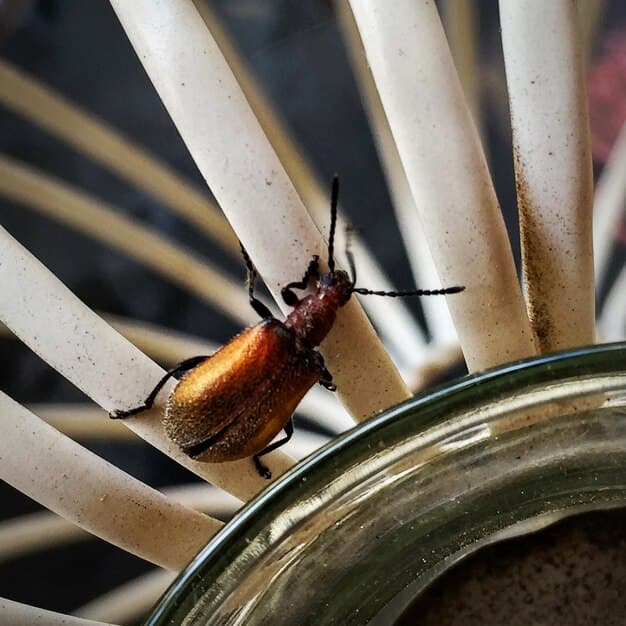
Affordable, pantry-safe pest control includes cleaning surfaces, sealing entry points, using airtight containers, and natural DIY remedies like vinega...

This guide offers affordable, natural, renter- and pet-safe pest control tips using household items like vinegar, lemon, and diatomaceous earth, empha...
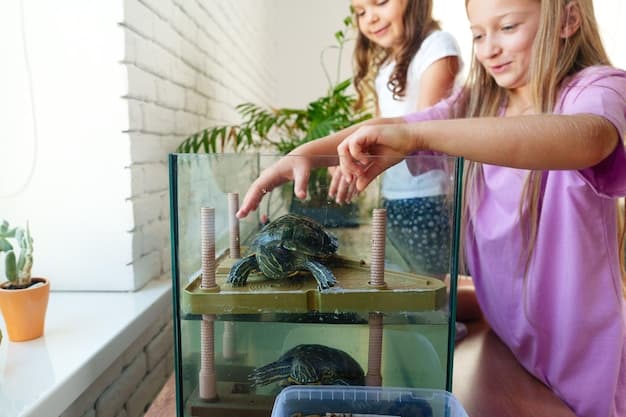
This guide offers natural, reptile-safe pest control methods emphasizing hygiene, regular checks, proper ventilation, quarantine, and using beneficial...
