
Warm weather brings new life to your garden, but it also invites pests that can quickly take over.
If you’ve struggled with spring garden pests before, you know how frustrating it can be to protect your plants without harsh chemicals.
This guide will walk you through natural garden pest control methods that are safe, affordable, and easy to use—so you can keep your garden thriving all season long.
For additional insights, check out this resource.
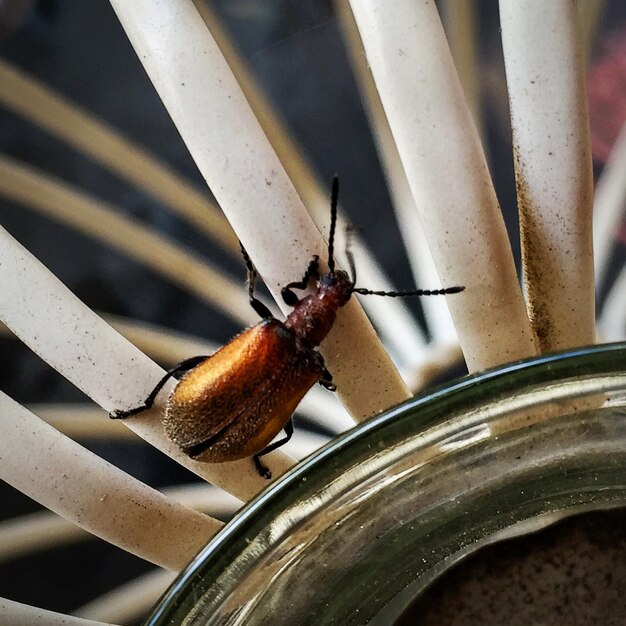
Creating a pest-free garden starts with understanding the basics of natural pest control.
By focusing on early detection and maintaining plant health, you can prevent many common problems before they start.
Keeping an eye on your garden early in the season is key.
Regular checks help catch pest issues before they become big problems.
You want to look at leaves and stems, checking for signs like holes or discoloration.
Use a notebook to track what you find.
Write down the types of pests or damage you notice.
This helps you spot patterns and track how well your solutions are working.
You can also use this information to decide what actions to take next.
For more tips, visit this helpful guide.
Strong plants start with healthy soil.
Rich, nutrient-filled soil helps plants grow strong and resist pests.
Test your soil to find out what nutrients it might need.
You can do this with a simple soil test kit from any garden store.
Watering correctly is just as important.
Too much or too little water stresses plants, making them easy targets for pests.
Water in the morning so plants dry before nightfall, reducing the chance of fungal issues.
Remember: a healthy garden is a pest-resistant garden.
After setting the foundation with monitoring and healthy practices, you can explore eco-friendly pest control methods.
These go beyond the basics to offer solutions that naturally deter pests.
Companion planting uses the natural relationships between plants to keep pests away.
For example, planting marigolds near tomatoes can deter nematodes.
Basil near peppers is another great combo.
This method uses the scents and oils of certain plants to drive pests elsewhere.
Trap crops are another smart strategy.
These are plants you grow to attract pests away from your main crops.
For example, nasturtiums can be used to lure aphids away from more valuable plants.
This way, you manage pest populations without chemicals.
Get more insights on this from this gardeners’ guide.
Introducing helpful insects can greatly reduce pest numbers naturally.
Ladybugs, for instance, eat aphids, while lacewings consume mealybugs.
These insects act like tiny garden helpers, keeping harmful pests in check.
You can buy beneficial insects online or at garden centers.
Release them in the early morning or late afternoon when it’s cooler.
This gives them the best chance to settle in and start working for you.
For more tips on using insects, check out this YouTube video.
When pests still find their way into your garden, homemade solutions come to the rescue.
These are easy to make and use ingredients you likely have at home, ensuring they’re safe and affordable.
A garlic chili spray is a great way to keep pests off your plants.
Simply blend a few garlic cloves with two teaspoons of chili powder and a quart of water.
Strain the mixture into a spray bottle and apply it to leaves and stems.
The strong smell and taste repel many insects.
Apply every few days for the best results, especially after rain.
Remember to test a small area first to ensure your plants aren’t sensitive to the mix.
Neem oil is a powerful natural solution for various pests.
It’s safe, even for vegetables, and works by interrupting the life cycle of insects.
Mix two teaspoons of neem oil with a quart of water and a few drops of dish soap.
Spray this solution on affected plants, focusing on the undersides of leaves where pests hide.
Repeat every week or as needed.
This method is effective against aphids, spider mites, and whiteflies.
By adopting these natural pest control methods, you empower yourself to protect your garden without resorting to harsh chemicals.
For more community tips and discussions, visit this Facebook group.
Stay vigilant, and your garden will thrive all season long.
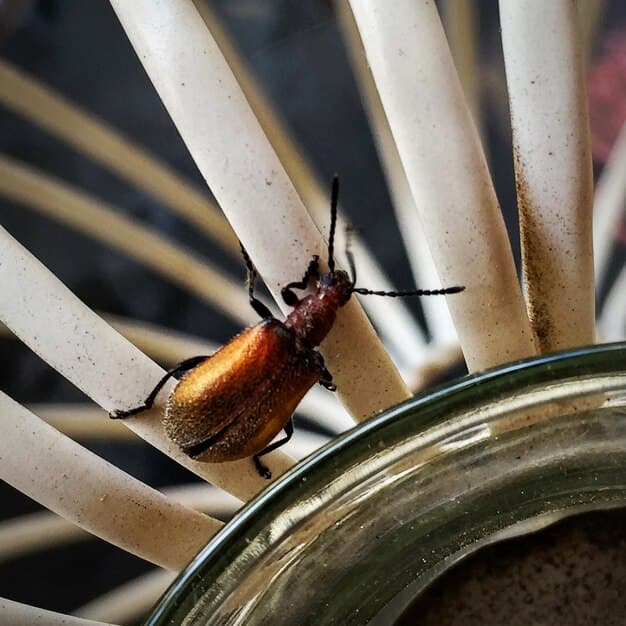
Affordable, pantry-safe pest control includes cleaning surfaces, sealing entry points, using airtight containers, and natural DIY remedies like vinega...

This guide offers affordable, natural, renter- and pet-safe pest control tips using household items like vinegar, lemon, and diatomaceous earth, empha...
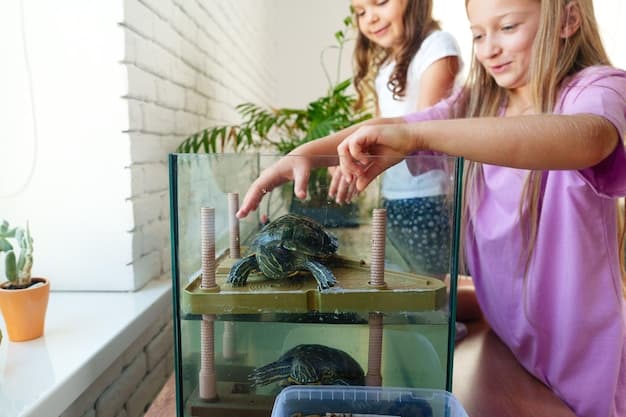
This guide offers natural, reptile-safe pest control methods emphasizing hygiene, regular checks, proper ventilation, quarantine, and using beneficial...

Learn to spot early pest signs like droppings, grease marks, and plant damage, then seal entry points naturally with weatherstripping, steel wool, and...