
Pests in your kitchen can feel impossible to shake, especially when you want safe solutions that don’t break the bank.
Many natural methods promise results but fall short or use harsh chemicals you’d rather avoid.
This guide shows you how to keep pests out of the kitchen with pantry-safe pest control that’s affordable, pet-safe, and easy to follow.
Stick with me, and you’ll find practical tips to protect your food and home without worry or expense.
For more insights, check out this helpful resource.
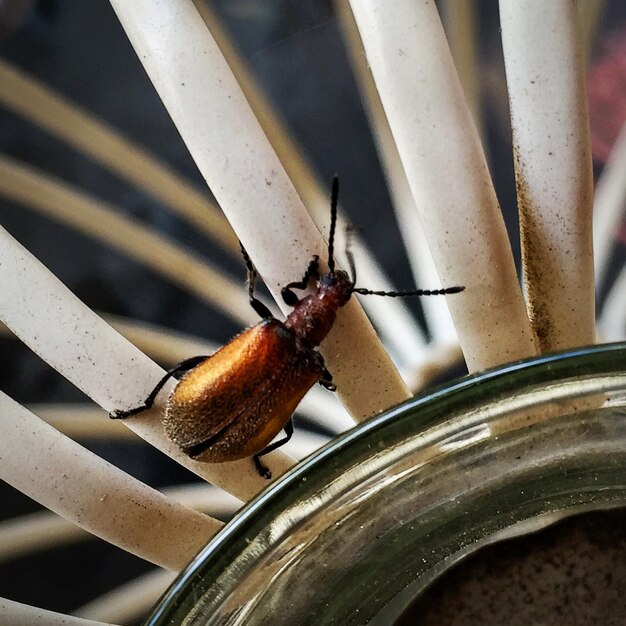
Understanding how to keep pests out of the kitchen starts with a few simple practices.
These tips will help you create a cleaner, safer space for your family.
Keeping your kitchen surfaces clean is key to preventing pests.
A clean countertop means fewer crumbs and spills for pests to find.
One simple habit is to wipe down surfaces after preparing meals. Crumbs and spills are like invitations for pests.
Using a mild cleaner or vinegar solution helps eliminate food residue.
Remember to pay extra attention to hidden spots: under appliances and inside cabinets.
Regular cleaning can go a long way in keeping pests away.
Check out more cleaning tips in this guide.
Storing food properly is a huge step in kitchen pest prevention.
Use airtight containers for grains and cereals.
This keeps pests like weevils and moths at bay. Glass or hard plastic containers are great choices.
They lock in freshness and block pests.
Avoid using open bags or loose packaging.
Most people think pantry pests only target obvious foods, but even dried herbs and spices can attract them.
So, it’s wise to secure everything.
Explore more on proper storage methods here.
Cracks and crevices provide entry points for pests.
Inspect your kitchen for tiny gaps around windows, doors, and baseboards.
Seal these with caulk or weatherstripping.
This simple fix can prevent pests from entering your space. Regular checks ensure that new gaps don’t become entry points.
Many overlook this step, but sealing is crucial.
The longer you wait, the more pests might find their way inside.
For more sealing tips, see this step-by-step guide.
Now that you have a cleaner, sealed kitchen, let’s explore DIY pest solutions.
These recipes use common ingredients to keep pests away naturally.
Vinegar is a powerful tool against ants.
You can make a simple spray with equal parts vinegar and water.
Spray this on trails and entry points.
Ants hate the smell, so it disrupts their path.
For a trap, mix vinegar, water, and a bit of sugar.
Place near ant activity.
The sugar tempts them, while vinegar repels.
Many assume ants are unbeatable, but this combo shows otherwise.
Here’s the key insight: consistent use keeps ants at bay.
Roaches are a common kitchen nuisance.
This bait is safe yet effective.
Mix equal parts baking soda and sugar.
Place small amounts in roach-prone areas.
Roaches eat the sugar and baking soda expands inside them.
This natural solution is both affordable and pet-safe. Here’s a reminder: roaches might be sneaky, but this bait disrupts their plans.
Most people think you need harsh chemicals, but this proves them wrong.
Bay leaves are a natural deterrent for pantry pests.
Place a few leaves in containers or on shelves.
The scent repels insects like moths and beetles.
You don’t need to replace them often, just refresh every few months.
It’s a simple, non-toxic way to protect your pantry.
People often doubt natural methods, but bay leaves have stood the test of time. Mini-payoff: your pantry stays pest-free with minimal effort.
With these recipes in hand, let’s explore some prevention tools to maintain a pest-free environment.
Weevils are notorious for infesting grains.
The secret is airtight containers.
They keep pests out and freshness in.
Use them for all dry goods: flour, rice, pasta.
This prevents weevils from finding a home in your pantry. Key takeaway: containers are your best defense against weevils.
If you think paper bags are enough, think again.
Airtight is the way to go.
Keeping ants at bay can be eco-friendly.
Try using peppermint oil.
A few drops on cotton balls placed strategically can deter ants.
Refresh the cotton balls weekly for the best results.
Another option is a mix of vinegar and essential oils sprayed around entry points.
These methods are safe for pets and the environment.
Most people think sprays must be chemical-laden, but natural options work wonders.
Fruit flies can be a real nuisance.
A simple trap involves apple cider vinegar and a few drops of dish soap in a bowl.
The vinegar lures them in, and the soap traps them.
Cover the bowl with plastic wrap and poke holes for access.
This trap is effective and easy to set up. Common belief: fruit flies are just seasonal.
Yet, with this trap, you can keep them away all year long.
With these steps, you’re well-equipped to keep pests out of the kitchen.
Remember, small actions lead to big results in maintaining a safe and clean space.

This guide offers affordable, natural, renter- and pet-safe pest control tips using household items like vinegar, lemon, and diatomaceous earth, empha...
This guide offers natural, reptile-safe pest control methods emphasizing hygiene, regular checks, proper ventilation, quarantine, and using beneficial...

Learn to spot early pest signs like droppings, grease marks, and plant damage, then seal entry points naturally with weatherstripping, steel wool, and...

Combine prevention, exclusion, habitat changes, traps, and plant-based treatments for effective, long-term, pet-safe natural pest control. Maintain cl...