
Pests in your reptile’s home aren’t just annoying—they can harm your pet’s health and comfort.
You’ve worked hard to create a safe habitat, but unwanted bugs can sneak in and cause trouble fast.
This guide shows you how to use reptile safe pest control methods that keep your terrarium or vivarium pest-free without harsh chemicals.
Ready to protect your reptile naturally?
Let’s get started.
For more insights on creating the perfect habitat, check out this guide.
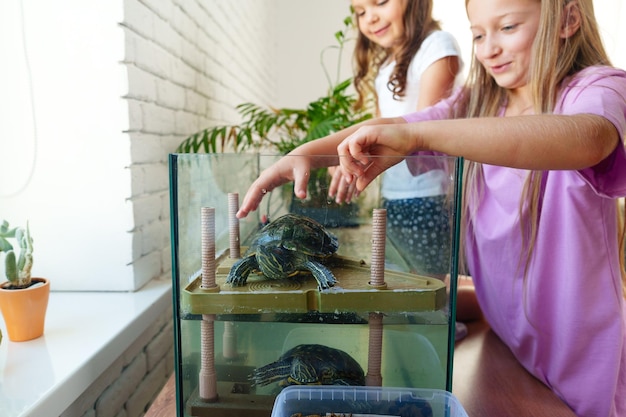
Let’s explore how you can guard your reptile’s home against pests.
It’s not only about removing pests; it’s about keeping them out in the first place.
You might think that controlling pests naturally is tough, but it’s simpler than it seems.
Begin with basic hygiene: clean food and water dishes daily.
Replace substrate regularly to avoid pest buildup.
For reptile mites, a natural treatment can be a game changer.
Keep a close eye on your reptile’s behavior.
Scratching or restlessness might indicate mites.
Use a damp cloth to wipe them off gently: this helps before infestations worsen.
Reptile safe pest control isn’t just about removal.
It’s about routine checks.
Inspect your pet and its home weekly.
This habit keeps surprise infestations at bay.
If mites persist, consider using diatomaceous earth, which is safe when used around reptiles.
This natural powder can help with dehydration of unwanted pests without harming your scaly friend.
You don’t need chemicals to keep pests away.
Start with the basics: keep the terrarium clean and dry.
Moist environments attract pests, so control humidity levels carefully.
Sticky traps can be placed outside the enclosure to catch insects before they enter.
Remember, never use essential oils near reptiles—they can be toxic.
Instead, opt for natural repellents like vinegar.
A healthy balance inside helps too. Springtails and isopods can be your allies in maintaining a pest balance.
These tiny creatures eat waste and mold, keeping your enclosure cleaner.
Introduce them carefully and watch them work their magic.
They help naturally without introducing any harmful substances into the environment.
Integrated Pest Management (IPM) combines tactics to control pests effectively.
The key is to blend environmental changes, predators, and manual removal.
Regular cleaning is crucial.
Remove uneaten food promptly to avoid attracting pests.
Inspect the enclosure’s corners and edges often: this is where pests like to hide.
Introduce natural predators like ladybugs or predatory mites.
They can help keep pest populations in check without needing any chemicals.
Remember, it’s about creating a balanced ecosystem.
A little prevention goes a long way in maintaining a healthy habitat for your pet.
Building a pest-free home for your reptile requires a few strategic moves.
Focus on prevention, and you’ll have fewer issues to deal with down the line.
Prevention starts with setup.
Choose a vivarium with proper ventilation to prevent moisture buildup.
Moisture attracts pests, so controlling it is key.
Always quarantine new plants and substrate before introducing them to the vivarium.
This reduces the risk of bringing in unwanted pests.
Consider using mesh lids to keep insects out while allowing air to circulate.
Regularly inspect your vivarium for small openings or cracks.
Sealing these can prevent pests from sneaking in.
These simple adjustments can make a significant difference in maintaining a pest-free environment.
Bioactive setups can seem daunting, but they offer natural pest control benefits.
Begin by introducing beneficial organisms like springtails.
These tiny creatures help break down waste, reducing the food source for pests.
They thrive in moist conditions, perfect for bioactive environments.
Isopods are another great addition.
They not only clean up organic debris but also help maintain soil health.
By using these helpful creatures, you reduce the reliance on chemical treatments.
Monitor their population and adjust if needed to keep a balanced ecosystem.
Ventilation and humidity control are crucial.
Too much moisture leads to mold and pests.
Ensure your terrarium has adequate airflow.
This can be achieved by using fans or adjusting the enclosure’s openings.
Regularly check humidity levels, especially if you’re keeping tropical species.
Use a hygrometer to monitor conditions.
If humidity is too high, consider increasing ventilation or reducing water sources.
These adjustments help protect your reptile from unwanted pests and ensure a healthier living space.
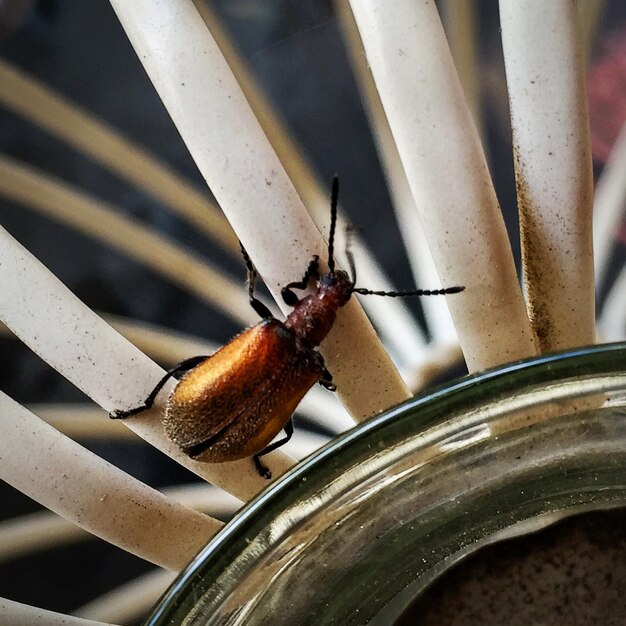
Keeping your reptile’s home pest-free isn’t just about one-time fixes.
It’s about consistent maintenance and vigilance.
When introducing new reptiles, quarantine is essential.
This period helps prevent the spread of pests.
Set up a separate enclosure for new arrivals for at least four weeks.
Observe them closely for signs of mites or other pests.
This simple step can prevent potential infestations in your main enclosure.
During quarantine, maintain hygiene by cleaning the temporary habitat regularly.
This practice ensures that if any pests are present, they don’t spread to your other reptiles.
Quarantine is your first line of defense in pest control.
Regular cleaning keeps pests at bay.
Start with daily spot cleaning: remove uneaten food and waste immediately.
A thorough cleaning should be done weekly.
Use a mild soap and water solution to scrub surfaces.
Avoid harsh chemicals that might harm your reptile.
Pay attention to water dishes and substrate, as they can harbor pests.
Replace them regularly to maintain a clean environment.
Consistent sanitation is fundamental to effective pest management in reptile habitats.
Sometimes, a deep clean is necessary.
Remove everything from the enclosure and clean each item thoroughly.
Use vinegar or baking soda as natural cleaning agents.
These substances are effective and safe for reptiles.
Rinse everything well to remove any residue.
Allow items to dry completely before placing them back.
Deep cleaning not only removes pests but also resets the environment, providing your reptile with a fresh start.
Maintain this routine, and you’ll enjoy a healthier habitat for your scaly friend.
By following these steps, you ensure a safe, pest-free environment for your reptile.
Remember, natural methods are effective and protect your pet from harmful chemicals.
Keep your routines consistent, and your reptile will thrive in its happy home.
For more on keeping your reptile healthy, check out this resource.

This guide offers affordable, natural, renter- and pet-safe pest control tips using household items like vinegar, lemon, and diatomaceous earth, empha...

Learn to spot early pest signs like droppings, grease marks, and plant damage, then seal entry points naturally with weatherstripping, steel wool, and...

Combine prevention, exclusion, habitat changes, traps, and plant-based treatments for effective, long-term, pet-safe natural pest control. Maintain cl...
This guide offers affordable, pet-safe natural pest control tips using kitchen ingredients, essential oils, and preventive measures to effectively man...
