
Pests in your apartment can feel impossible to stop without harsh chemicals or costly treatments.
You want renter-safe pest solutions that won’t harm your pets or break your budget.
This guide shares natural pest control for renters using simple kitchen ingredients and smart habits that landlords will approve.
Keep reading to find easy, affordable ways to protect your home—and grab a free checklist to get started today.
For more information, check out this practical guide for landlords and tenants.

Ready to kick pests out for good?
Let’s explore some techniques that are both effective and easy on your wallet.
When it comes to your living space, safety and peace of mind are key.
You don’t have to rely on harsh chemicals to keep pests at bay.
Common household items can be just as effective.
For instance, a mixture of vinegar and water can deter ants and clean surfaces.
Simply spray the solution along entry points and wipe away any trails.
Another handy solution involves using diatomaceous earth, a natural powder that dehydrates and kills bugs on contact.
Sprinkle it lightly in corners or areas where pests are frequent.
Most people assume you need complex products, but simple ingredients often do the trick.
Your goal is to act quickly and consistently.
This not only keeps pests away but also ensures your landlord remains happy.
Looking to reduce your environmental impact while keeping your home pest-free?
Start by sealing gaps around windows and doors with weather stripping.
This prevents insects from sneaking in unnoticed.
Also, maintaining a clean kitchen is pivotal.
Wipe down counters and store food in airtight containers.
This deprives pests of their favorite food sources.
Are you worried about spiders?
Place cedar blocks in closets or under beds.
Spiders dislike the smell, making it a natural deterrent.
Remember, the longer you wait to address small issues, the bigger they become.
A proactive approach saves time and maintains a healthy environment.
Your kitchen might already hold the key to pest prevention.
Think beyond cleaning; some ingredients can actively repel bugs.
For example, lemons can be powerful allies.
The scent of lemon deters pests like ants and flies.
Simply rub a slice of lemon along window sills or thresholds.
Additionally, coffee grounds can be a practical solution.
Sprinkling used coffee grounds around garden areas or doorways can keep insects at bay.
It’s surprising how these everyday items can serve a dual purpose, helping you fight pests naturally.
Natural solutions are great, but how can you ensure they’re also rental-friendly?
Let’s delve deeper into tactics that respect rental agreements while keeping your space critter-free.
Living in an apartment means you often have shared walls and spaces.
Your approach needs to be both non-invasive and effective.
Peppermint oil is a favorite for its dual purpose: it’s a pleasant scent and a powerful deterrent.
Mix a few drops with water and spray around problem areas.
Another option is to use traps instead of sprays.
Sticky traps for insects or humane traps for rodents can be placed discreetly.
These options are landlord-friendly because they don’t alter the property or rely on harsh chemicals.
You don’t need to spend a fortune to protect your home.
Many pest-proofing methods are budget-friendly.
Start with caulking: it’s inexpensive and seals entry points.
Inspect areas around sinks and baseboards, sealing gaps where pests might enter.
Another tip?
Use baking soda.
This multi-purpose ingredient can deter pests like cockroaches.
Simply sprinkle some in corners or under appliances.
It’s a cheap way to add an extra layer of protection without hurting your wallet.
For more insights, check out these pest-proofing steps for rental housing.
When battling pests, you want solutions that won’t upset your landlord.
Avoid permanent alterations or strong-smelling chemicals.
Instead, focus on subtle changes that make a difference.
For instance, installing door sweeps can prevent insects from entering under doors.
Keep your landlord in the loop with any pest issues.
A transparent approach builds trust and can lead to collaborative efforts in maintaining a pest-free environment.
Remember, the aim is a happy home that respects both tenant and landlord agreements.
Safe pest control is also vital for pet owners.
Here’s how to keep your animal friends safe while protecting your home.
Pets are family, and their safety is a priority.
Some traditional pest control methods can be harmful to them.
Instead, opt for natural alternatives like essential oils.
Lavender or lemon oil can repel insects without posing a risk to pets.
Just diffuse them around the house.
Another pet-friendly option is to use a vinegar and water mix.
This simple solution can be sprayed on surfaces without harming your furry friends.
Always test a small area first to ensure there are no adverse reactions.
Reptile owners face unique challenges, as many pest control products can harm these sensitive creatures.
For a safe approach, consider using natural barriers.
Placing sticky tape with the sticky side up around terrarium enclosures can catch small invaders before they reach your pet.
Additionally, ensuring a clean and secure habitat is essential.
Regularly check for any cracks or openings in your reptile’s enclosure.
This proactive step keeps both pests and your pet safe.
Roaches are unwelcome visitors, but you can prevent them naturally.
One method involves using bay leaves.
Roaches dislike their smell, making them a powerful deterrent.
Scatter leaves in corners or under sinks.
Another natural solution is catnip.
Surprisingly, while cats love it, roaches find it off-putting.
Boil catnip in water to make a spray, then use it around problem areas.
Maintaining a clean environment is crucial; regular cleaning and removing food sources make a significant impact.
Visit this guide on pest control in affordable housing for more strategies.
In your journey to maintain a pest-free home, remember that natural solutions can be both effective and safe.
With the right approach, you can protect your space and family, all while staying eco-friendly and landlord-approved.
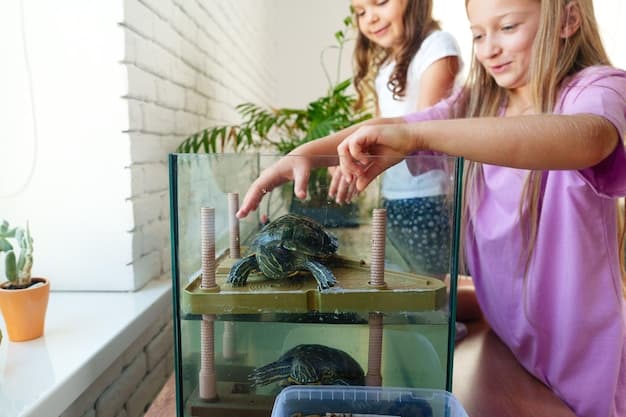
This guide offers natural, reptile-safe pest control methods emphasizing hygiene, regular checks, proper ventilation, quarantine, and using beneficial...

Learn to spot early pest signs like droppings, grease marks, and plant damage, then seal entry points naturally with weatherstripping, steel wool, and...

Combine prevention, exclusion, habitat changes, traps, and plant-based treatments for effective, long-term, pet-safe natural pest control. Maintain cl...
This guide offers affordable, pet-safe natural pest control tips using kitchen ingredients, essential oils, and preventive measures to effectively man...
