
Pests rarely announce their arrival, but spotting early signs of pest infestation can save you time and money.
Knowing how to seal entry points naturally puts you in control before bugs or rodents settle in.
This guide shows simple, eco-friendly steps to protect your home using safe materials and easy DIY fixes.
Keep reading to learn how natural pest control can keep your space secure and pest-free.

Identifying pest signs early can prevent a full-blown infestation.
By knowing what to look for, you can take action before the problem escalates.
Droppings are a tell-tale sign that pests are around.
You might find small, dark pellets in corners or under sinks.
Each type of pest leaves unique droppings, so recognizing these can help you identify the culprit.
Rodents, for example, often leave trails of droppings in paths they frequently travel.
In addition to droppings, you might notice tracks.
Dusty areas can reveal footprints or tail marks.
A light sprinkle of flour can help confirm your suspicions by showing new tracks the next day.
These clues are like an early warning system, alerting you to take action.
Tiny wings or bits of sawdust can indicate a hidden issue.
Termites often shed wings near windowsills, while sawdust-like droppings suggest wood-boring insects.
Don’t ignore these small clues—they can point to big problems.
Check around wooden structures, as termites love these areas.
Early detection means you can address the problem naturally, avoiding extensive damage.
Keeping an eye out for these subtle signs can save you lots of trouble down the road.
Grease marks along walls and floors might indicate rodents.
These pests follow the same routes, leaving a greasy trail from their fur.
Look for these marks along baseboards and walls.
Plant damage is another sign.
Chewed leaves or stems in your garden suggest pests are dining nearby.
Identifying these signs helps you take immediate action to protect your plants and avoid further damage.
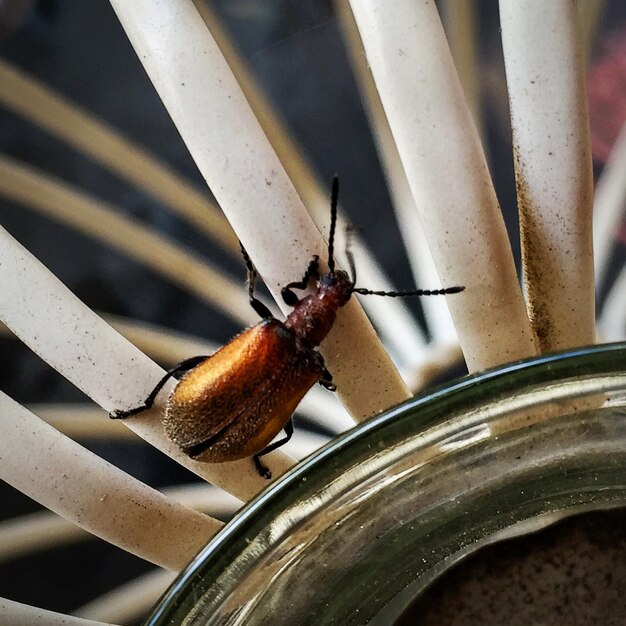
Once you’ve identified pest signs, sealing entry points is crucial to keeping them out.
Let’s explore natural ways to secure your home.
Sealing doors and windows is vital in preventing pests from entering.
Weatherstripping is a simple solution.
This involves applying strips to seal gaps, keeping bugs and drafts outside.
Start by inspecting the edges of your doors and windows.
If you feel a draft, it’s likely pests can sneak through.
By sealing these gaps, you not only keep pests out but also improve your home’s energy efficiency, making this a win-win solution.
For small holes, steel wool is your best friend.
Rodents can’t chew through it, making it an effective barrier.
Stuff steel wool into gaps where pipes enter your home or around utility lines.
Copper mesh works well for larger gaps.
Unlike steel wool, it won’t rust, providing long-lasting protection.
Focus on sealing around vents and other potential entry points.
These materials offer a simple yet effective way to keep pests at bay.
Diatomaceous earth is a powdery substance that’s safe for humans and pets but lethal to insects.
Sprinkle it along baseboards and entry points to create a barrier.
It works by dehydrating pests that come into contact with it.
Non-toxic barriers like these are great alternatives to chemical treatments.
They’re safe for your family and the environment.
Remember to reapply after cleaning or heavy rains to maintain effectiveness.

Prevention is key to keeping pests away.
Adopt these eco-friendly practices to safeguard your home naturally.
Your kitchen holds many secrets for natural pest control.
Vinegar, for instance, can deter ants.
Mix equal parts vinegar and water in a spray bottle and apply where ants enter.
Another kitchen staple, baking soda, can combat cockroaches.
Combine with sugar and place in areas where you spot these pests.
The sugar lures them in, while the baking soda works its magic.
These simple solutions make your home less inviting to pests.
Pests love moisture.
Ensure your home is dry by fixing leaks and using dehumidifiers.
In the kitchen, store food in airtight containers to avoid attracting unwanted guests.
Basements and attics are prime spots for pest activity.
Regularly check these areas for leaks and standing water.
Keeping your home dry is a crucial step in pest prevention.
For pet owners, safety is a top concern.
Use natural methods that won’t harm your animals.
Essential oils like peppermint can deter pests while being safe for pets.
Just a few drops around entry points can do the trick.
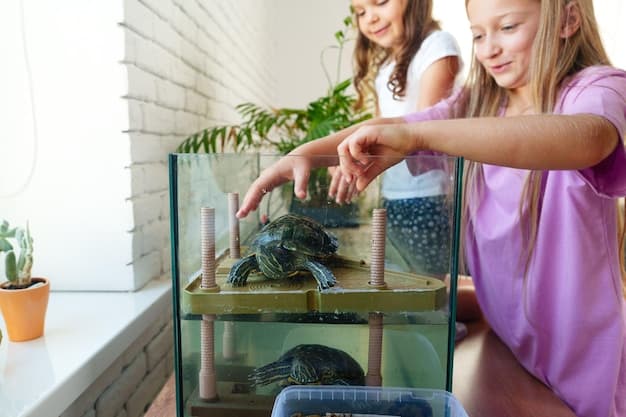
For reptile enthusiasts, ensure their habitats are secure and free from pests.
Keep enclosures clean and check for any signs of pest activity.
These careful practices ensure a safe environment for your pets.
By understanding these early signs and natural preventive measures, you’re well-equipped to keep your home pest-free.
These strategies not only protect your home but also align with eco-friendly values.
Remember, taking action now can save you time, money, and stress in the future.

Combine prevention, exclusion, habitat changes, traps, and plant-based treatments for effective, long-term, pet-safe natural pest control. Maintain cl...
This guide offers affordable, pet-safe natural pest control tips using kitchen ingredients, essential oils, and preventive measures to effectively man...
Maintain home and garden hygiene by sealing entry points, cleaning kitchens, managing waste, using airtight storage, and employing organic, pet-safe p...
This guide offers 15 natural, pet- and reptile-safe spring pest-proofing hacks using kitchen ingredients, essential oils, herbs, and eco-friendly meth...
