
Spring pests don’t just appear by chance—they follow a pattern driven by warmer weather and fresh food sources.
If you’ve noticed ants marching in or fruit flies buzzing around, you’re not alone.
This guide will show you how to keep your home pest-free using natural pest control methods that are safe, simple, and effective.
Stick around to learn easy steps you can take right now to protect your space without harsh chemicals.
For more tips, visit this link.
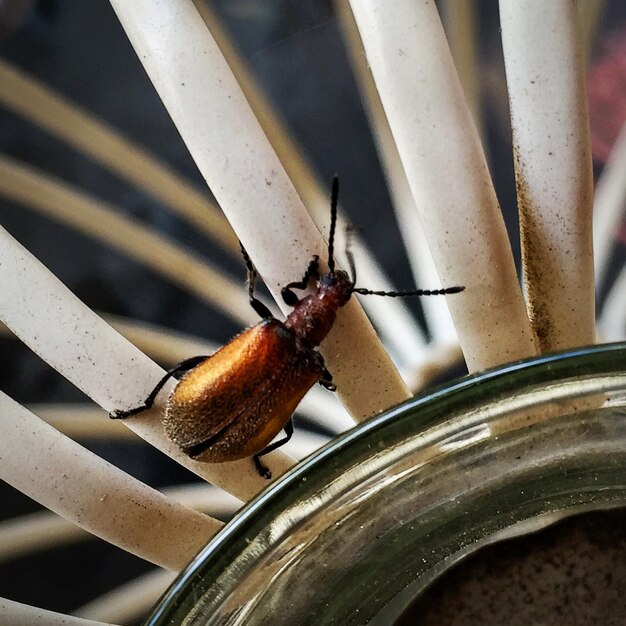
Spring is when pests seem to come alive, and understanding why can help you keep them away.
It’s not just the sunshine that brings them out; it’s a complex mix of factors that makes spring a busy time for these critters.
As the days get warmer, insects and other pests wake from their winter slumber.
The rising temperatures signal them to start searching for food and a place to breed.
This is why you suddenly see more ants, mosquitoes, and other pests around.
They’re drawn to your home because it provides shelter and, more importantly, food.
Each year, around 60% of households report seeing an increase in pest activity with the onset of spring.
Spring brings a variety of pests, each with its own set of challenges.
Ants are notorious for invading kitchens, while mosquitoes make outdoor activities less enjoyable.
Termite swarmers can be a big issue too, as they seek new places to establish colonies.
You might also notice more fruit flies as they are attracted to ripe and rotting fruit.
Keeping an eye out for these common pests can help you act quickly and effectively.
Understanding the breeding and eating habits of pests can give you an edge.
For instance, mosquitoes breed in standing water, so removing any stagnant water can reduce their numbers.
Ants are often on the lookout for sweet and greasy foods, which is why sealing food containers can prevent an invasion.
Termites feed on wood and can go unnoticed until significant damage is done.
Knowing these habits helps in preemptive action to keep your home pest-free.
Now that you know why pests are more active in spring, let’s explore some natural methods to keep them at bay.
These solutions are not only effective but also safe for your family and pets.
Your kitchen holds many secrets to natural pest control.
Vinegar is a powerful cleaner that deters ants when sprayed along windowsills and door thresholds.
Another kitchen staple, diatomaceous earth, can be sprinkled around baseboards and in corners to tackle a variety of pests by dehydrating them.
Creating a DIY fruit fly trap is simple: fill a small bowl with apple cider vinegar and cover it with plastic wrap, poking a few holes.
This traps flies effectively and is cost-efficient.
Your garden can be a frontline defense against pests.
Planting herbs like basil and mint can repel mosquitoes, while marigolds deter aphids and other insects.
Another great tip is using neem oil, which works wonders on garden pests without harming beneficial insects.
Adding BTI mosquito dunks to water features prevents mosquito larvae from maturing, ensuring your garden remains a pleasant and pest-free zone.
If you’re looking for non-toxic ways to protect your home, there are plenty of options.
Essential oils like peppermint and eucalyptus can be mixed with water and sprayed around the house to repel pests naturally.
You can also use cedar chips around your home’s perimeter to ward off a wide range of insects.
These methods are not only safe for children and pets but also contribute to a healthier and greener environment.
For more natural solutions, check out these eco-friendly pest control tips.

Prevention is always better than cure, especially when it comes to pests.
Let’s look at how you can fortify your home, tackle common issues quickly, and ensure safety for your pets and reptiles.
Sealing up your home is one of the most effective ways to keep pests out.
Check for cracks around windows and doors and seal them with caulk.
Inspect screens for holes and repair them promptly.
By blocking entry points, you make it harder for pests to find their way in.
Remember, even a tiny gap can be an inviting entrance for ants or spiders.
Sometimes, quick fixes can make a big difference.
If you spot ants, wipe down surfaces with a mix of vinegar and water to erase their scent trails.
For mosquitoes, use a fan outdoors to create a breeze that makes it harder for them to land.
If you see fruit flies, try placing a few cloves into an open jar near fruit baskets.
These small steps can have a quick impact.
For those with pets or reptiles, safety is a top concern.
Ensure that any pest control methods you use are friendly to your animals.
For instance, using baking soda and sugar can deter roaches without harm to pets.
Always research or consult a vet when trying new methods to ensure they’re safe for your furry or scaly friends.
By using these natural and proactive methods, you not only protect your home but also contribute to a healthier planet.
For more insights on maintaining a safe environment, visit this helpful resource.
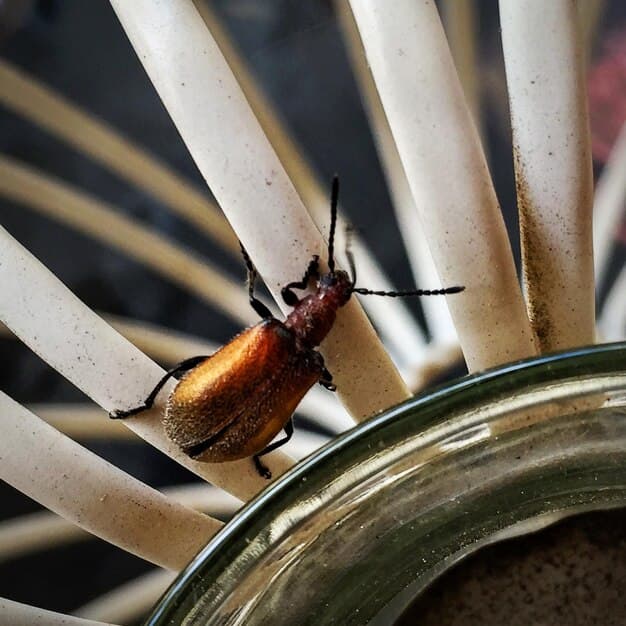
This guide offers natural, eco-friendly pest control methods—early monitoring, healthy soil, companion planting, beneficial insects, and homemade spra...
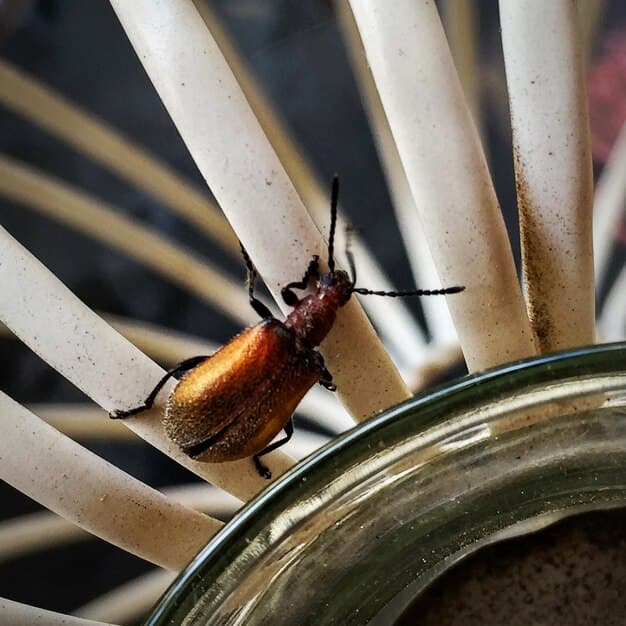
Affordable, pantry-safe pest control includes cleaning surfaces, sealing entry points, using airtight containers, and natural DIY remedies like vinega...

This guide offers affordable, natural, renter- and pet-safe pest control tips using household items like vinegar, lemon, and diatomaceous earth, empha...
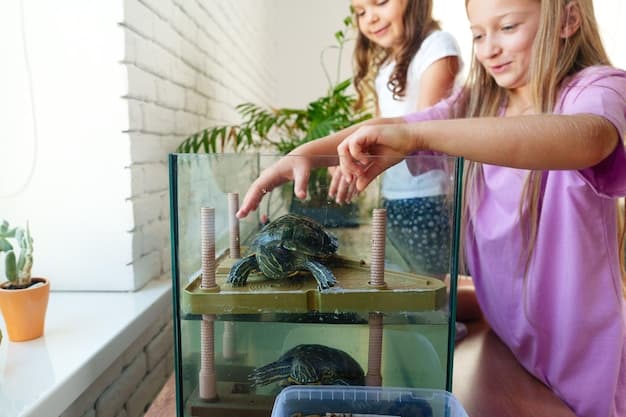
This guide offers natural, reptile-safe pest control methods emphasizing hygiene, regular checks, proper ventilation, quarantine, and using beneficial...
