
Early spring pests don’t wait for an invitation—they sneak in as soon as temperatures rise.
You might have tried quick fixes that only push ants, spiders, or pantry moths deeper into hiding.
This guide shows you how to stop them naturally, using simple, pet-safe methods with ingredients from your kitchen or garden.
Keep reading to find practical tips that protect your home without harsh chemicals. Learn more about eco-friendly pest control solutions here.

Discover how everyday items from your kitchen and garden can become your first line of defense against pests.
These natural methods are not only effective, but also safe for your family and pets.
Let’s dive into how you can put them to use.
Your kitchen is a treasure trove of pest-fighting ingredients.
Vinegar, for example, can work wonders on ants.
Mixing equal parts of water and white vinegar creates a spray that repels ants effectively.
Just spritz it along entryways and watch them retreat.
Lemons are another fantastic tool.
The scent of lemon deters spiders.
Simply rub lemon peels on windowsills and door frames.
For a stronger repellent, mix lemon juice with water and spray it around your home.
This simple solution is both fragrant and effective.
Next, let’s talk about baking soda.
When combined with sugar, it attracts and eliminates cockroaches.
Sprinkle this mix in corners and under appliances to keep roaches at bay.
These kitchen staples offer DIY pest control tips that are easily accessible.
Essential oils aren’t just for relaxation.
They can also be powerful in keeping pests away.
Peppermint oil, for instance, is a great tool against spiders and mosquitoes.
Add a few drops to a spray bottle filled with water, and mist around your home.
The refreshing scent will keep pests at bay.
Similarly, lavender oil is effective against fleas and moths.
Place lavender sachets in closets or drawers to repel these pests.
You can also add lavender oil to your laundry for extra protection.
Tea tree oil is another handy option.
It works well against numerous insects, including ants and cockroaches.
Mix a few drops with water, and spray areas where pests are a problem.
Your home will smell fresh, and pests will think twice before invading.

With your pantry stocked with natural repellents, it’s time to focus on keeping pests out.
Taking a few proactive steps can make a big difference in your pest prevention efforts this season.
One of the most effective ways to prevent pests is by sealing entry points.
Begin by checking windows and doors for gaps.
Use caulk to seal any cracks you find.
This simple step can stop pests in their tracks.
Don’t forget about your home’s foundation.
Inspect it for holes or cracks, and seal them promptly.
A little effort can prevent a major infestation.
Most people think pests are inevitable, but these preventive measures challenge that assumption.
Lastly, check for gaps around pipes and utility lines.
Pests can squeeze through surprisingly small spaces.
Sealing these areas can make your home much less inviting to unwanted guests.
Pests thrive in cluttered environments.
By keeping your home clean and organized, you minimize hiding spots for them.
Begin by decluttering storage areas like basements and attics.
Next, focus on your kitchen.
Wipe down counters and sweep floors regularly.
Store food in airtight containers, and dispose of garbage promptly.
These simple habits can make your home less appealing to pests.
Regular lawn maintenance is also crucial.
Trim overgrown shrubs and remove debris from your yard.
This reduces the chances of pests finding a way inside.
The longer you wait, the more comfortable pests become, so act now.

Dive deeper into sustainable pest management with these eco-friendly solutions.
They offer effective results without harming the environment or your loved ones.
For those who prefer natural methods, non-toxic home remedies are a fantastic choice.
Consider using borax to tackle ants.
Mix it with sugar and place it in areas where ants are active.
This combination attracts and eliminates them.
Another option is neem oil.
It’s great for garden pest control.
Mix it with water and spray on plants to deter aphids and other insects.
Neem oil is safe for your plants, making it a popular choice among garden enthusiasts.
For pantry moth control, bay leaves are surprisingly effective.
Place them in your pantry or containers.
Moths dislike the scent and will steer clear.
These remedies offer peace of mind without the need for harsh chemicals.
Diatomaceous earth is a versatile product for pest control.
It’s a natural powder made from fossilized remains of tiny aquatic organisms.
When sprinkled in areas where pests are present, it dehydrates and kills them.
It’s crucial to use food-grade diatomaceous earth, especially if you have pets.
This ensures it’s safe for both humans and animals.
Sprinkle it around the perimeter of your home or in areas where pests are a problem.
Most people think it’s only for the garden, but it works indoors, too.
By applying it in cracks and crevices, you create a barrier that pests won’t cross.
Always wear a mask when applying to avoid inhaling the fine dust.
In summary, with these natural pest control tips, spring pests will have a tough time finding their way into your home.
By using kitchen ingredients, essential oils, and eco-friendly methods, you’re not just preventing pests—you’re doing it safely and effectively.
Remember, the sooner you start, the more control you’ll have.
Say goodbye to pests naturally with Sayonara Pests!
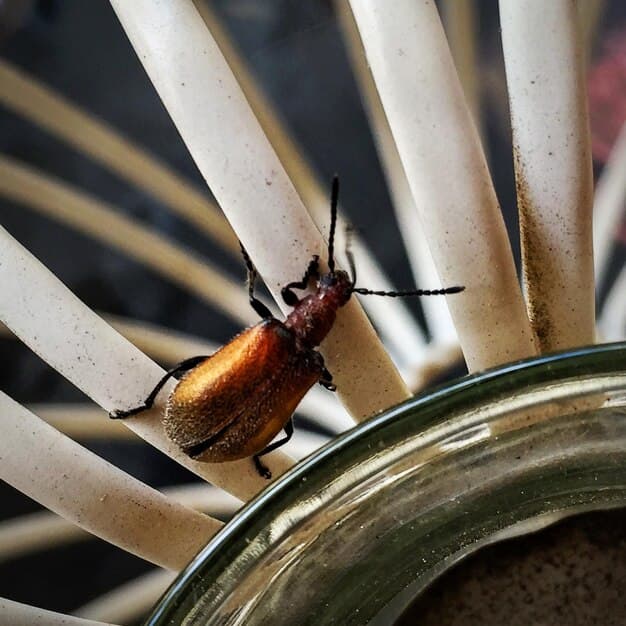
This guide offers natural, eco-friendly pest control methods—early monitoring, healthy soil, companion planting, beneficial insects, and homemade spra...
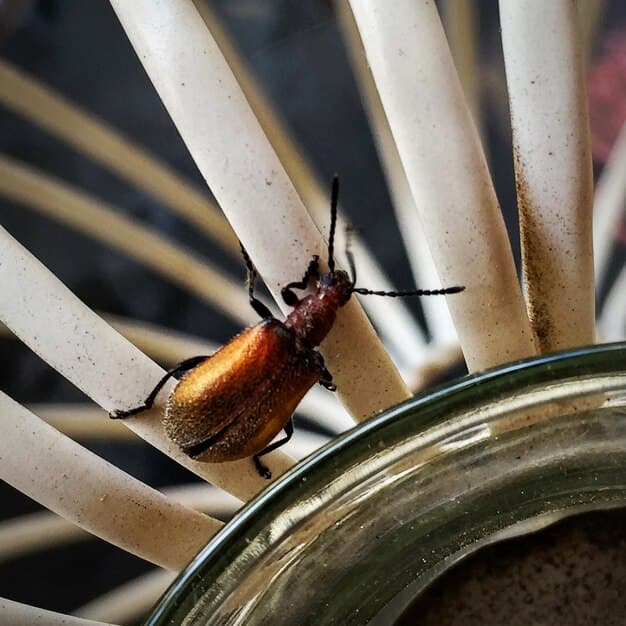
Affordable, pantry-safe pest control includes cleaning surfaces, sealing entry points, using airtight containers, and natural DIY remedies like vinega...

This guide offers affordable, natural, renter- and pet-safe pest control tips using household items like vinegar, lemon, and diatomaceous earth, empha...

This guide offers natural, reptile-safe pest control methods emphasizing hygiene, regular checks, proper ventilation, quarantine, and using beneficial...
