
Natural pest repellent methods have come a long way from old wives’ tales.
You might wonder how essential oils or diatomaceous earth actually keep pests away without harmful chemicals.
Understanding how natural repellents work will give you confidence to protect your home, pets, and reptiles safely.
Let’s explore the science behind these eco-friendly pest control options and show you simple steps to try at home. Learn more here.
Natural pest repellents offer a safe way to keep pests at bay without harmful chemicals.
Let’s dive into how these eco-friendly options work and their benefits for your home.
Natural repellents use ingredients that pests dislike, creating a barrier that keeps them away.
Essential oils like peppermint oil deter ants by disrupting their scent trails.
This simple method prevents ants from communicating and finding food. Check out more about it here.
Another effective option is diatomaceous earth, a powder that targets insects with exoskeletons.
When pests walk over it, the powder sticks to their bodies, dehydrating them.
It’s a natural way to control pests without toxic chemicals. Learn more here.
Vinegar is also a versatile repellent.
It disrupts ants and fruit flies by masking their scent trails, making your kitchen less appealing.
These methods show how non-toxic pest control can be effective and safe. Explore this further here.
Eco-friendly pest control protects your family and the environment.
Using natural methods reduces exposure to harmful chemicals, ensuring safe spaces for kids and pets.
Plus, these solutions are often more affordable.
For instance, neem oil insect control is both effective and gentle on beneficial insects like bees.
It targets only harmful pests, preserving your garden’s ecosystem.
This approach supports integrated pest management by promoting biodiversity.
Choosing natural pest control provides peace of mind without sacrificing effectiveness.
By understanding these options, you can maintain a safe and pest-free home environment.

When using natural pest control, safety is key.
Here’s how to protect your loved ones, including pets and reptiles, while keeping pests away.
Pets are curious, so it’s crucial to use non-toxic solutions.
Essential oils like citronella for mosquitoes can repel pests without harming your furry friends.
Use diluted solutions to avoid skin irritation. Learn more about insect repellents here.
Neem oil is another pet-safe option.
It controls fleas and ticks naturally.
Apply it to your pet’s bedding or use it in a homemade spray.
Always test a small area first to ensure no adverse reactions.
Keep diatomaceous earth in areas pets can’t reach.
Although it’s non-toxic, inhaling it can irritate their lungs.
Following these steps ensures a safe environment for your pets.
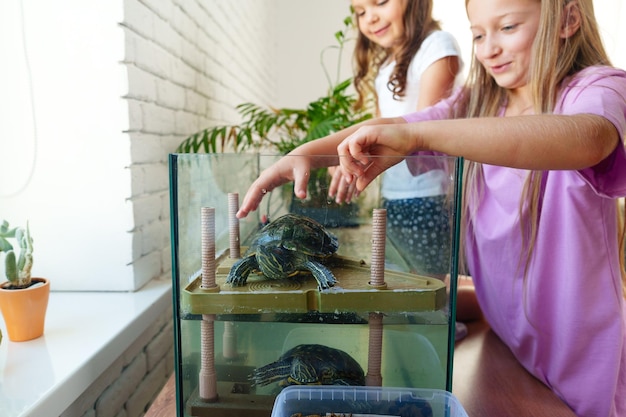
Reptiles require special care when it comes to pest control.
Many common repellents can be harmful, so opt for safe alternatives. Vinegar is a great non-toxic choice for reptile enclosures.
It cleans surfaces and deters pests without harsh chemicals.
For outdoor habitats, use diatomaceous earth sparingly.
Apply it around the perimeter to keep pests out.
This method is safe for reptiles when used correctly.
By prioritizing safety, you can create a healthy space for your pets.
Creating your own pest control solutions is both fun and effective.
Here are some simple recipes to try at home.
Essential oils are a powerful tool in pest control. Peppermint oil is great for ants.
Mix a few drops with water in a spray bottle and apply it around entry points.
Citronella essential oil works wonders for mosquitoes.
Add it to a diffuser or mix with a carrier oil for a natural repellent.
Remember, less is more with oils—use sparingly to avoid overwhelming scents.
These natural solutions show how small changes can make a big impact on pest control.
Home remedies are easy to make and effective. Vinegar for ants is a classic.
Mix equal parts vinegar and water to clean surfaces and disrupt scent trails.
For insects like bed bugs, neem oil is a powerful ally.
Spray diluted neem oil on affected areas for a natural solution.
These remedies offer a safe and affordable way to protect your home from pests.
By understanding these natural methods, you empower yourself to tackle pests confidently and safely.
Embrace these eco-friendly solutions and enjoy a pest-free home without harmful chemicals.
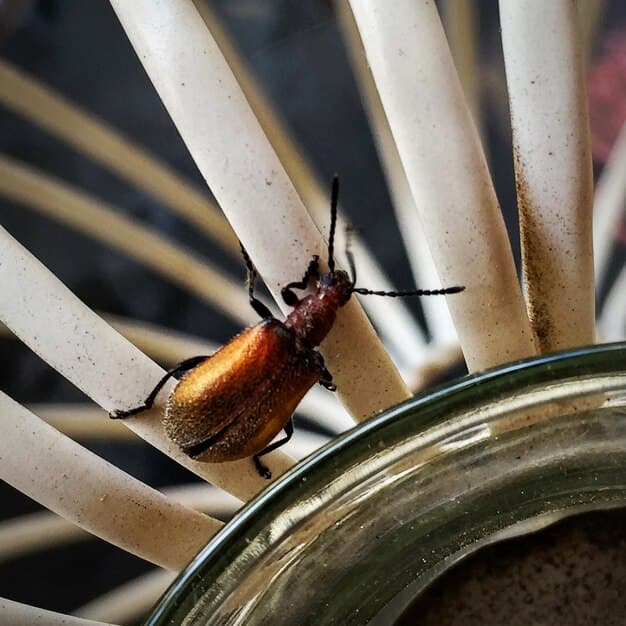
Affordable, pantry-safe pest control includes cleaning surfaces, sealing entry points, using airtight containers, and natural DIY remedies like vinega...

This guide offers affordable, natural, renter- and pet-safe pest control tips using household items like vinegar, lemon, and diatomaceous earth, empha...
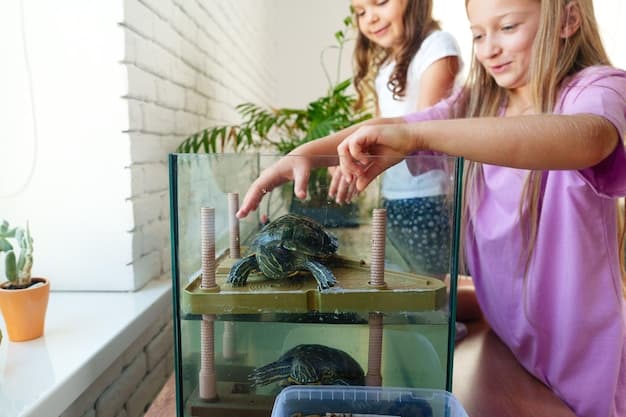
This guide offers natural, reptile-safe pest control methods emphasizing hygiene, regular checks, proper ventilation, quarantine, and using beneficial...

Learn to spot early pest signs like droppings, grease marks, and plant damage, then seal entry points naturally with weatherstripping, steel wool, and...