
Pests don’t just appear by chance—they follow patterns shaped by their instincts and habits.
When you understand the psychology of pests, you can break their routines and keep them out without harsh chemicals.
This guide reveals simple, natural pest control methods using items from your kitchen and garden that work with how pests think. Try one tactic today, then subscribe for weekly tips to protect your home safely and affordably.
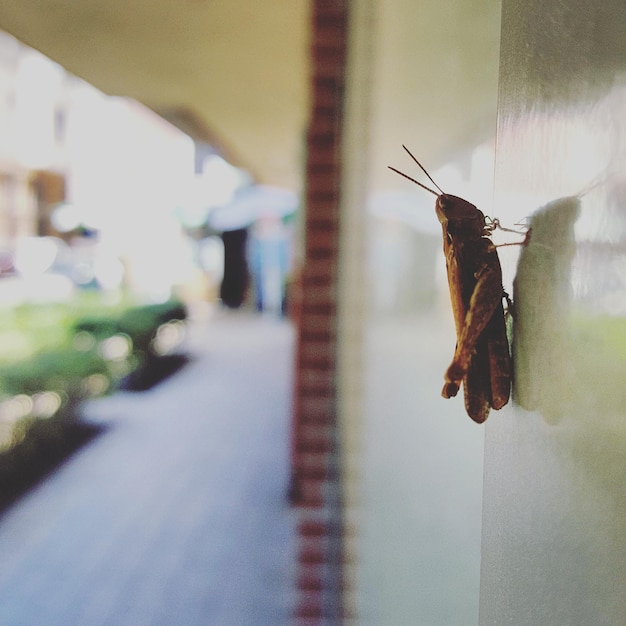
Understanding why pests behave the way they do can be your secret weapon.
When you know what drives them, you can use natural strategies to keep them at bay.
Pests are driven by basic needs: food, water, and shelter.
They have developed keen senses to locate these essentials, making them relentless.
For instance, ants leave pheromone trails to direct their colony to food sources.
Recognizing these behaviors allows you to disrupt their paths.
Breaking these patterns is key.
By identifying what attracts pests, like crumbs on the floor or standing water, you can remove their incentives to invade your space.
Most people think pests randomly invade their homes, but they are actually following predictable patterns.
This insight can be powerful.
If you understand their motivations, you can anticipate their actions.
Learning about their habits is the first step in creating an environment that is unappealing to them.
This means fewer pests and a happier home.
Pests often follow the same paths repeatedly.
Ants, for example, follow scent trails laid by other ants.
You might notice a line of them marching across your kitchen counter.
To disrupt these trails, wipe down surfaces with vinegar, which erases their scent path.
Rodents, on the other hand, tend to travel along walls, seeking cover as they move.
They often enter through small gaps or cracks in the foundation or walls.
Sealing these entry points can prevent them from setting up shop in your home.
Cockroaches are nocturnal and thrive in dark, moist areas.
They often hide under sinks or in basements.
Keeping these areas dry and well-lit can deter them.
By understanding these common patterns, you can take simple steps to interrupt them, reducing the likelihood of an infestation.

Switching to natural pest solutions is not only eco-friendly but also effective.
You likely have everything you need right in your kitchen or garden.
Your kitchen holds powerful tools against pests.
For example, baking soda mixed with sugar can help tackle cockroaches.
Place this mix in small dishes where you’ve seen these critters.
The sugar attracts them, and the baking soda acts as a poison.
Similarly, cinnamon is more than just a spice.
Sprinkle it around entry points to deter ants.
They dislike the strong scent and will avoid areas with it.
Another effective ingredient is vinegar.
It can be used to clean surfaces and erase ant trails.
Vinegar disrupts the pheromone trails ants use to navigate.
These simple solutions are safe for families and pets, making them ideal for households seeking non-toxic pest control options.
They provide a natural and effective alternative to chemical-laden products.
Eco-friendly pest deterrents protect your home without harming the environment.
Planting marigolds in your garden can repel a variety of insects like mosquitoes and aphids.
Their strong scent is unpleasant to these pests. Essential oils like peppermint or eucalyptus are natural deterrents too.
A few drops on cotton balls placed in corners can keep spiders away.
These oils create an inhospitable environment for many pests.
You can also make a natural spray using garlic and chili peppers.
Blend them with water and strain the mixture.
Spraying it around your home can deter pests like ants and beetles.
These solutions not only safeguard your home but also promote a healthier living environment.
By opting for eco-friendly methods, you implement a sustainable approach to pest control that aligns with nature.

Preventing pests from entering your home is the first line of defense.
Practical methods are simple and effective.
Keeping pests out is easier than dealing with an infestation.
Start by sealing cracks and gaps in your home’s exterior.
Use caulk to fill small openings around windows and doors.
Install door sweeps to block entry points under doors.
These simple barriers can significantly reduce pest access.
Regularly inspect your home for signs of wear and tear.
Fixing broken screens or repairing damaged siding can prevent pests from finding a way in.
Keep your yard tidy by trimming back bushes and trees that touch the house.
This reduces bridges pests can use to reach your home.
With these straightforward steps, you can create a strong line of defense against invaders.
If you have pets or reptiles, it’s essential to use methods that won’t harm them.
Diatomaceous earth is a natural powder that can be sprinkled around your home.
It’s safe for pets but lethal for insects, as it dehydrates them upon contact.
For rodent problems, consider using traps instead of poisons.
Place them in areas your pets can’t access, like behind appliances.
Cats and dogs can also be natural deterrents.
Their presence alone can keep rodents at bay.
By choosing pet and reptile-safe options, you maintain a healthy environment for all members of your household, ensuring your beloved animals remain safe while keeping pests away.
Incorporating these natural methods not only keeps pests at bay but also fosters a safer, more eco-friendly living space.
Start implementing these strategies today for a healthier home environment.
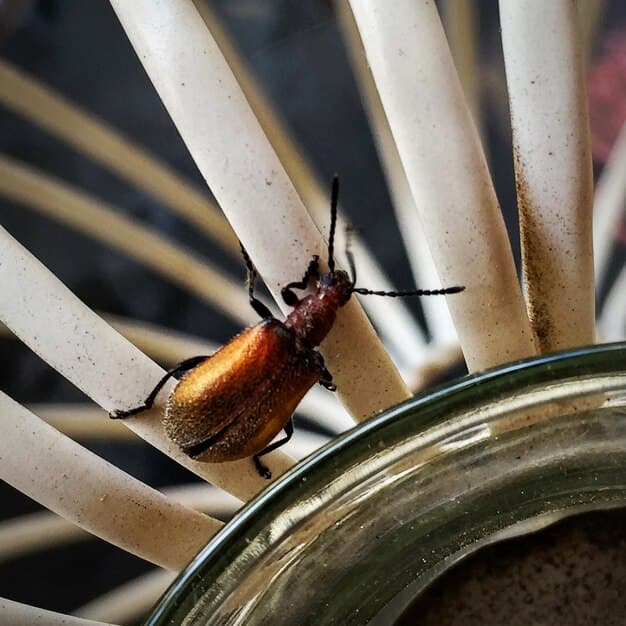
Affordable, pantry-safe pest control includes cleaning surfaces, sealing entry points, using airtight containers, and natural DIY remedies like vinega...

This guide offers affordable, natural, renter- and pet-safe pest control tips using household items like vinegar, lemon, and diatomaceous earth, empha...
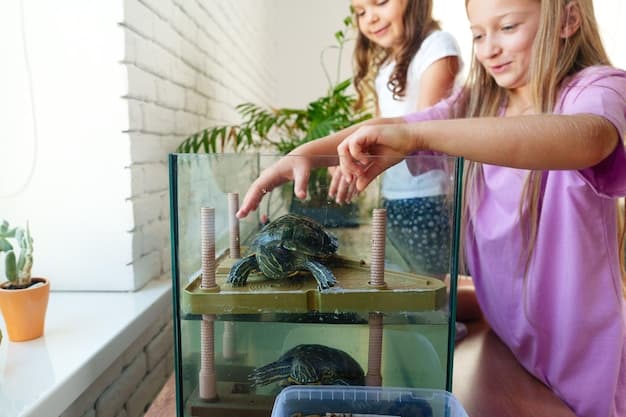
This guide offers natural, reptile-safe pest control methods emphasizing hygiene, regular checks, proper ventilation, quarantine, and using beneficial...

Learn to spot early pest signs like droppings, grease marks, and plant damage, then seal entry points naturally with weatherstripping, steel wool, and...
