
Pests don’t wait for a convenient moment—they show up uninvited and stick around.
You’ve probably tried sprays and traps that only work for a little while or come with harsh chemicals you’d rather avoid.
This guide will teach you how to use simple household ingredients for natural pest control that keeps your home safe, your pets protected, and pests away for good.
Ready to build a long-term defense with easy, eco-friendly methods?
Check out this guide on pest control and pesticide safety to get started.
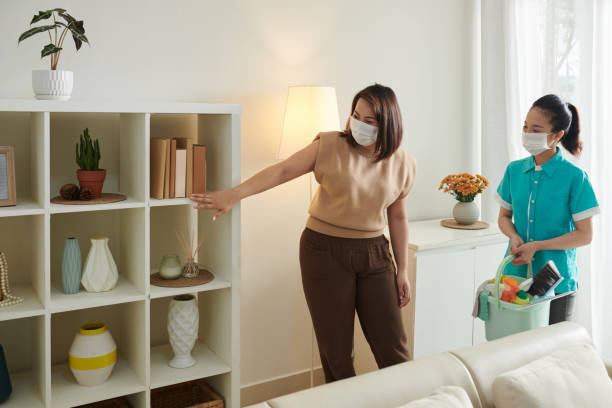
Many pests can be managed with items you already have at home.
Let’s explore some not-so-secret solutions.
Vinegar is more than just a kitchen staple.
It’s a mighty tool in your pest control arsenal.
Use it to wipe down surfaces where ants or other pests tend to roam.
The strong scent disrupts their trails, making it difficult for them to find their way back.
Citrus peels are another surprising hero in pest prevention.
Place them near entry points to deter spiders and other insects.
The oils released from the peels are unappealing to many bugs.
Want to make a natural bug spray?
Soak citrus peels in vinegar for a few days, then spray the mixture around your home.
It’s simple and effective, keeping your space fresh and bug-free.
Baking soda is not just for baking.
It can also control pests like roaches.
Create a mixture with equal parts baking soda and sugar, and place it where these unwelcome guests are seen.
The sugar attracts them, while the baking soda does the rest.
Coffee grounds are another unexpected ally.
They’re perfect for deterring ants and snails.
Spread the used grounds around your garden or near doorways.
They act as a barrier, as these pests dislike the texture and smell.
Instead of tossing your coffee grounds, use them as a natural defense.
Peppermint oil is a natural pest deterrent.
Its strong aroma is pleasant to us but a powerful repellent to spiders and mice.
Dab a few drops on cotton balls and place them in corners or anywhere pests enter your home.
Dish soap isn’t just for cleaning dishes.
It’s effective against aphids and other garden pests.
Mix a few drops with water in a spray bottle and mist your plants.
This simple solution suffocates soft-bodied insects without harming the plants.
Keep it handy for a quick, safe pest fix in your garden.
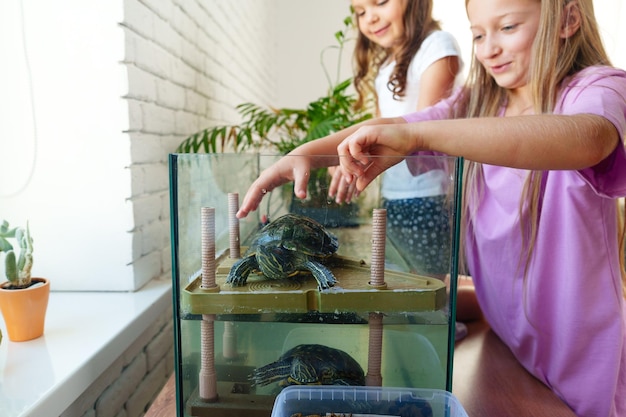
Harnessing household items is just the beginning.
Consistent routines amplify their effectiveness.
Regular cleaning is your first line of defense against pests.
Wipe down surfaces and vacuum floors weekly.
This removes crumbs and food particles that attract pests.
Check your pantry for expired items and dispose of them to avoid pantry pests.
Don’t forget your pet’s area.
Clean food dishes and sweep up any spills.
This reduces the chance of attracting unwanted visitors.
A tidy home is less inviting to pests and keeps your environment healthy and fresh.
Each season brings its own pest challenges.
In spring, focus on sealing cracks and repairing screens to block bugs.
Summer is prime time for mosquitoes, so eliminate standing water and keep gutters clean.
Autumn means it’s time for rodents seeking warmth.
Inspect your home and seal any entry points.
During winter, continue checking for leaks or moisture buildup, as these attract pests seeking shelter.
Adapting your strategies with the seasons ensures year-round protection.
Proper storage is key to keeping pests at bay.
Use airtight containers for dry goods like cereal and grains.
This prevents pests from accessing food sources.
In your garage or shed, store items off the ground and use sealed bins.
Sealing your home is essential.
Check windows and doors for gaps and use weatherstripping to close them.
Regularly inspect your home’s exterior for any new openings.
Consistent checks and proper storage make a big difference in long-term pest prevention.

Ensuring your pest control methods are safe for everyone is crucial.
Here’s how you can do it effectively.
Keeping your family safe from harmful chemicals is important.
Opt for non-toxic methods like those mentioned earlier.
They’re effective without posing risks to children or pets.
Many families fear using pest control around their kids, but these natural solutions provide peace of mind.
A clean, pest-free home can be achieved safely.
For more detailed strategies, this manual on integrated pest management offers excellent guidance.
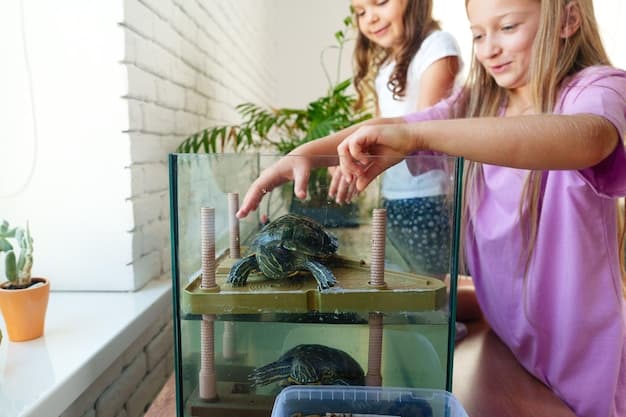
Reptile owners face unique challenges in pest control.
It’s vital to keep your pet’s habitat safe.
Use safe barriers like mesh covers to prevent pests without harming your reptiles.
Avoid chemical sprays near habitats.
Instead, use natural deterrents like diatomaceous earth around the perimeter.
This is safe for reptiles but effective against many crawling insects.
By choosing safe options, you protect your pets and maintain a healthy environment.
Pest control doesn’t have to break the bank.
Many solutions are cost-effective and environmentally friendly.
Reuse household items like citrus peels and coffee grounds for multiple purposes.
Consider creating a pest control kit with essential oils and simple ingredients.
This keeps costs down while enabling quick responses to any pest issues.
Embrace these affordable methods to maintain a pest-free home without overspending.
By using everyday items and simple routines, you can effectively manage pests while keeping your home safe and eco-friendly.
Ready to take back control?
Implement these strategies and enjoy a naturally pest-free home.
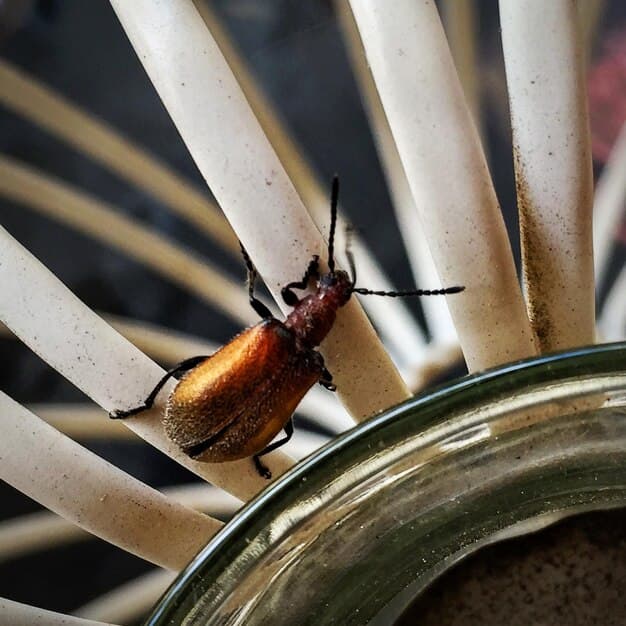
This guide offers natural, eco-friendly pest control methods—early monitoring, healthy soil, companion planting, beneficial insects, and homemade spra...
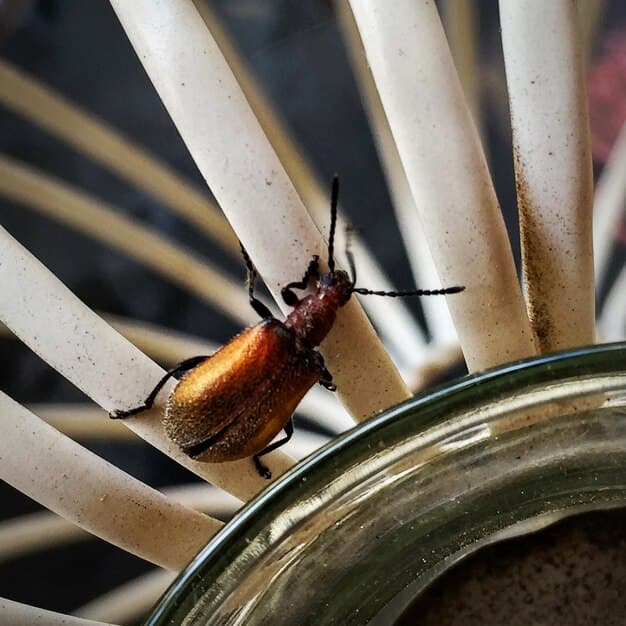
Affordable, pantry-safe pest control includes cleaning surfaces, sealing entry points, using airtight containers, and natural DIY remedies like vinega...

This guide offers affordable, natural, renter- and pet-safe pest control tips using household items like vinegar, lemon, and diatomaceous earth, empha...
This guide offers natural, reptile-safe pest control methods emphasizing hygiene, regular checks, proper ventilation, quarantine, and using beneficial...
