
Pests don’t always announce themselves with loud signs.
Often, the earliest activity hides in plain sight, waiting to become a full-blown problem.
Spotting these subtle signals is key to natural pest control and early pest detection.
In this guide, you’ll learn simple pest prevention tips that help you act fast with eco-friendly pest solutions before pests take over your home or garden.

Not all pests make a grand entrance.
You will often need a keen eye to spot the earliest signs.
Understanding these can help you stay ahead, keeping your home and garden safe from intruders.
Pests love to sneak in through small cracks, so keeping an eye on your home’s exterior can be crucial.
Check around windows and doors, as these are frequent entryways for insects and rodents.
Use a flashlight to spot any small holes or gaps that might be overlooked during the day.
Seal these with caulk or weather stripping to block their entry.
But don’t forget about unexpected areas like vents or chimneys.
These places might need a bit of extra attention.
Installing screens can help keep unwanted visitors out while still allowing air to flow.
Remember, the more thorough you are now, the fewer problems you’ll deal with later.
Your garden can be a hotspot for pest activity, with early signs often showing up in surprising ways.
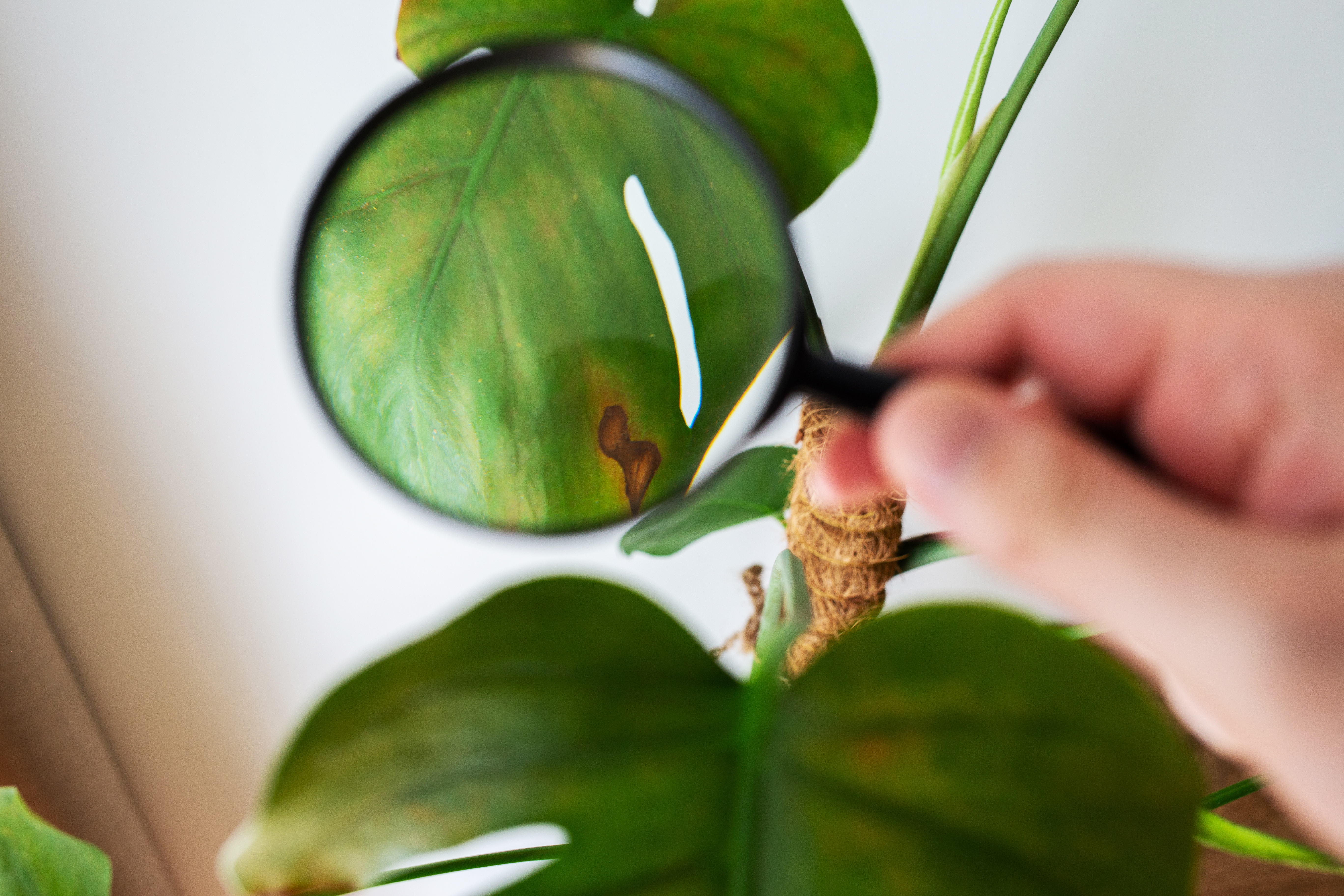
Look for tiny holes in leaves or unusual wilting, which can indicate pest presence.
Chewed stems or discolored patches on foliage are other red flags.
Keeping a watchful eye on plant health helps you catch issues early.
Regularly inspect plants for these subtle changes, as they can signal an infestation on the horizon.
By addressing these symptoms quickly, you can employ natural pest control methods to save your garden from harm.
Spotting pests early is a skill that can save you time and effort.
With a bit of knowledge, you can detect these invaders before they settle in.
Here’s how you can master the art of early pest detection.
When inspecting your home or garden, certain visual clues can reveal pest activity.
Trails of sawdust could indicate wood-boring insects, while droppings often point to rodents.
Notice any grass that’s been disturbed?
It might be a sign of burrowing pests.
Take note of any unusual patterns or marks on walls, floors, or furniture.
These can be from pests rubbing against surfaces or leaving behind traces of their presence.
By honing your observation skills, you can spot these signs quickly and take action before the problem escalates.
Not all signs of pests are visible.
Sometimes, it’s the odd sounds you hear that can be an early indicator.
Scratching noises in the walls or ceiling can suggest rodents, while buzzing could mean insects are nearby.
The longer you wait to investigate, the more difficult it can be to deal with the issue.
Smells can also be telling.
A musty odor might signal a pest nesting area, while ammonia-like scents often point to rodents.
By paying attention to your environment, you can catch these clues early and use eco-friendly pest solutions to address the problem.
Prevention is always better than cure.
By using natural methods, you can protect your home without relying on harmful chemicals.
Here’s how to keep pests at bay with what you might already have at home.
Your kitchen can be a treasure trove of natural pest deterrents.
For instance, a mixture of vinegar and water can repel ants when sprayed near entry points.
Did you know that coffee grounds can deter pests?
Sprinkle them around your garden to ward off slugs and snails.
In the garden, consider planting herbs like basil or mint.
These plants not only enhance your garden’s aroma but also repel certain insects.
Using these simple, everyday items, you can maintain a pest-free environment in a safe and natural way.
Taking pest control into your own hands doesn’t have to be daunting.
Start by setting up simple traps using household items.
For example, a shallow dish with soapy water can attract and trap fruit flies effectively.
Regular cleaning is another powerful tool.
Keeping areas clean and free of food scraps can significantly reduce pest attraction.
Dedicate time each week to tidy up and inspect vulnerable areas, and you’ll find that keeping pests away is easier than you thought.
Spring pests surge due to warmer weather seeking food and shelter. Natural, non-toxic methods like vinegar, essential oils, sealing entry points, and ...

Layered natural pest control combines prevention, sealing, trapping, and repellents using safe, non-toxic methods like essential oils, diatomaceous ea...
Year-round guide for natural, chemical-free garden pest control: use seasonal strategies, companion planting, beneficial insects, DIY sprays, traps, a...
Understand pest behavior to disrupt their patterns using natural, eco-friendly methods like kitchen ingredients, essential oils, and home sealing. Saf...
