
Most natural pest control methods fall short when used alone.
You might try one trick after another, only to face the same stubborn pests returning.
Layered pest control combines prevention, sealing, trapping, and gentle repellents to keep your home and garden pest-free for good.
Keep reading to learn a simple, step-by-step plan you can start today with safe, non-toxic ingredients.
For more ideas, check out this eco-friendly pest control guide.

Diving into the world of layered pest control can transform how you tackle unwanted critters.
By combining several approaches, you can prevent pests from becoming a recurring problem.
Let’s explore a few foundational concepts to kickstart your journey.
Natural pest control focuses on using non-toxic methods to manage pests.
Instead of relying on harsh chemicals, you use ingredients found in nature.
Think of using herbs or essential oils to repel insects.
These methods are safer for your family and pets. Natural pest control isn’t just about fighting pests; it’s about working with nature to create balance.
For example, planting marigolds can deter garden pests naturally.
You might wonder if these methods are effective.
They are!
Many homeowners find success in using natural solutions.
The key is consistency and patience.
Over time, these methods build a strong defense, keeping your home and garden safe.
For more insights, visit this resource on natural pest controls.
Integrated Pest Management (IPM) is a strategy that uses different tactics to control pests.
It combines prevention, observation, and control methods.
This approach is more sustainable than one-size-fits-all solutions.
By paying attention to pest patterns and adapting your strategy, you can reduce pest numbers effectively.
Why choose IPM?
It’s about long-term benefits, not quick fixes.
This method is eco-friendly, reducing the need for harmful chemicals.
You also save money by preventing infestations before they start.
Plus, IPM supports biodiversity, encouraging beneficial insects that help control pests naturally.
Learn more about IPM here.
Creating your DIY pest management plan is empowering.
Start by identifying the pests you face.
Different pests need different solutions.
Next, research natural remedies that target these pests.
You might use peppermint oil for ants or diatomaceous earth for roaches.
Once you have your list of remedies, set a schedule.
Apply these solutions regularly for the best results.
Remember to monitor pest activity and adjust your plan as needed.
Consistency is key!
Check out this guide for more DIY tips.

Achieving success in pest control requires understanding several essential methods.
Each plays a crucial role in keeping your home and garden pest-free.
Let’s delve into these strategies.
Prevention is your first line of defense.
Keeping your home clean can significantly reduce pest problems.
Regularly clean up crumbs and spills in the kitchen.
Store food in airtight containers to deter pests.
Even small actions like these can make a big difference.
Outside, maintain a tidy garden.
Remove debris where pests might hide.
Regularly trim plants to prevent them from touching your home’s walls.
This simple routine can keep many pests at bay.
Remember: a clean home is a pest-free home!
Exclusion is about keeping pests out before they become a problem.
Inspect your home for gaps and cracks, especially around doors and windows.
Seal these openings with caulk or weatherstripping.
This prevents pests from sneaking inside.
Don’t overlook the importance of screens.
Ensure window and door screens are intact without holes.
A secure home is a pest-resistant home.
By making it hard for pests to enter, you reduce the chance of an infestation.
It’s a simple yet effective strategy.
Trapping and repellents are key tools in your pest control arsenal.
Traps help monitor pest activity and reduce populations.
For instance, sticky traps can catch crawling insects like roaches.
Place them in areas where pests are active for best results.
Repellents add another layer of protection.
Essential oils like peppermint or lavender can deter pests.
Use them to create a natural barrier.
Spray diluted oils around entry points and baseboards.
These methods work together to keep your home and garden pest-free.
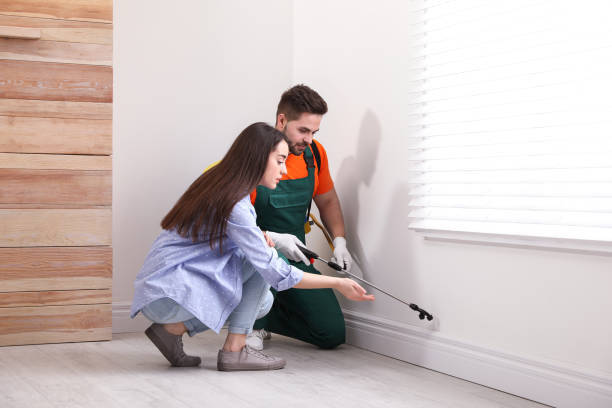
Equipping yourself with the right tools and techniques is crucial for effective pest control.
Explore how everyday items can be your best allies in this battle.
Your kitchen holds powerful pest-fighting ingredients.
For example, vinegar can be a natural ant deterrent.
Mix equal parts vinegar and water, then spray it around problem areas.
Another common item, baking soda, can combat cockroaches.
Sprinkle it in areas they frequent to disrupt their habitat.
These simple solutions are safe and affordable.
They protect your home without introducing harmful chemicals.
Plus, they’re easy to implement, making them perfect for any homeowner.
Biological controls use nature’s helpers to combat pests.
Introducing beneficial insects, like ladybugs, can reduce aphid populations.
These natural predators keep pest numbers in check.
It’s a win-win for your garden’s ecosystem.
Sticky traps are another effective solution.
They capture crawling insects, allowing you to monitor pest activity.
Place traps in strategic locations, like under sinks or near entry points.
This proactive approach helps you tackle pests before they multiply.
Diatomaceous earth (DE) is a fantastic natural pest control tool.
It works by dehydrating insects, making it effective against ants and bedbugs.
Sprinkle DE in areas where pests travel.
Be sure to use food-grade DE to ensure safety.
Essential oils offer another safe alternative.
Oils like lavender or eucalyptus can repel pests.
Mix a few drops with water and spray around your home.
These oils not only deter pests but also leave a pleasant scent.
Embrace the power of nature with these effective solutions.
With these strategies in hand, you’re ready to tackle pests naturally and effectively.
By using a combination of methods, you ensure long-lasting results.
Your home and garden will thrive, free from unwelcome guests.
For further reading, explore how natural enemies can aid pest control.
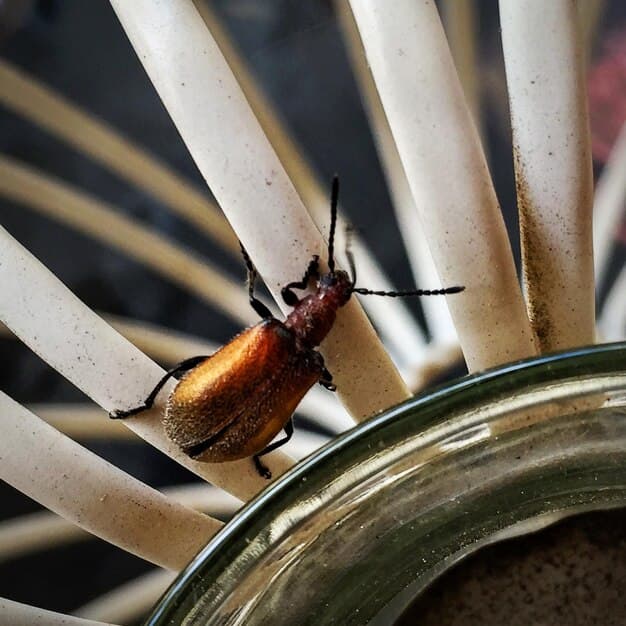
This guide offers natural, eco-friendly pest control methods—early monitoring, healthy soil, companion planting, beneficial insects, and homemade spra...
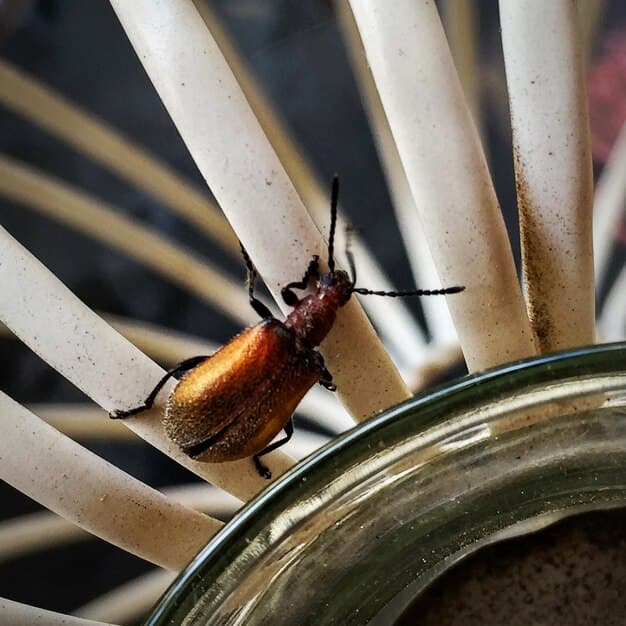
Affordable, pantry-safe pest control includes cleaning surfaces, sealing entry points, using airtight containers, and natural DIY remedies like vinega...

This guide offers affordable, natural, renter- and pet-safe pest control tips using household items like vinegar, lemon, and diatomaceous earth, empha...
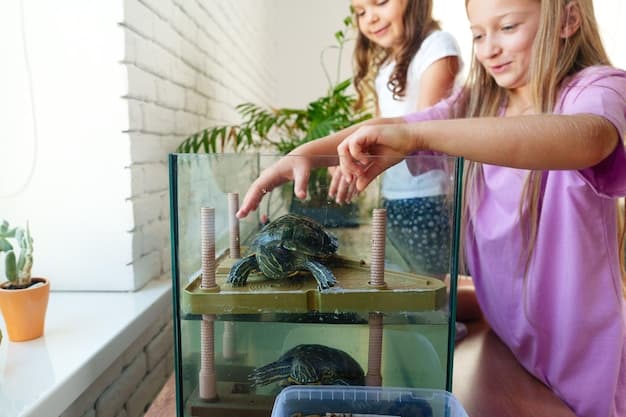
This guide offers natural, reptile-safe pest control methods emphasizing hygiene, regular checks, proper ventilation, quarantine, and using beneficial...
