
Pests rarely announce their arrival—they start small, leaving subtle hints around your home.
Spotting early signs of pests can save you time, money, and stress before the problem grows.
In this guide, you’ll learn natural pest detection tips that fit right into your routine and support eco-friendly pest control.
Let’s help you take charge of home pest prevention with simple, safe methods you can trust.
For more information on identifying early pest infestations, check out this helpful resource.
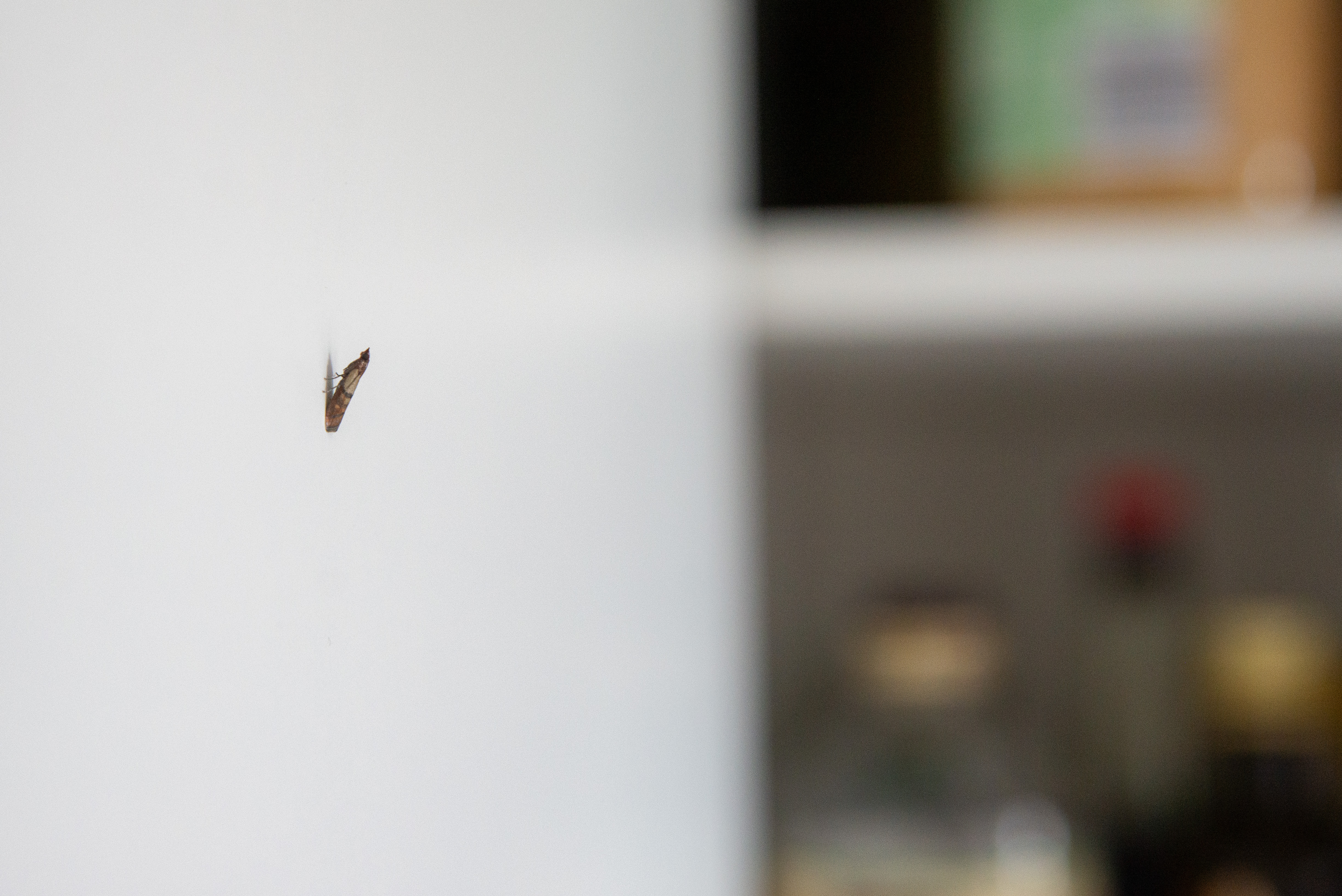
Understanding how to spot early signs of pests can be crucial in maintaining a healthy home.
By noticing these signs, you can take action before minor issues turn into major infestations.
You don’t need fancy gadgets to detect pests around your home.
Start by listening—yes, listening.
At night, when your home is quiet, you might hear faint scratching or scurrying noises, especially in walls or ceilings.
These can be clues that pests are present.
Next, use your sense of smell.
Certain pests, like rodents, leave behind a musky odor.
If you notice unusual smells in certain areas, it might be time to investigate further.
Additionally, visual inspections are key.
Look for droppings, gnaw marks, or even small holes in walls and floors.
These signs are often the first indicators of an unwelcome guest.
For more signs to watch for, visit this expert guide.
Different pests leave different clues.
For example, termites might leave behind mud tubes on exterior walls, while cockroaches often leave discarded skin.
Bed bugs leave small rust-colored stains on bedding, a sure sign they’ve moved in.
Knowing these specific indicators helps you act quickly.
Consider the time of year too.
Some pests, like ants, are more active in warmer months.
Pay attention to seasonal changes in pest activity.
If you spot any of these indicators, it’s important to take action immediately to prevent a full-blown infestation.
For more detailed information on signs of pest infestations, explore this comprehensive resource.
Once you’ve identified early signs, it’s time to act.
Eco-friendly methods offer safe alternatives to harsh chemicals, ensuring a healthy home environment.
Prevention is always better than cure.
Seal entry points such as gaps under doors or cracks in walls.
Use natural repellents like peppermint oil for rodents or vinegar for ants.
These methods deter pests without harming them or the environment.
Regular cleaning is also crucial.
Keeping your kitchen and dining areas free from crumbs can prevent pests from seeing your home as a food source.
Remember, a clean home is often a pest-free home.
These small changes can make a big difference in keeping pests at bay.
DIY solutions can be both effective and satisfying.
For example, create a simple vinegar spray to deter ants.
Mix equal parts water and vinegar in a spray bottle and apply to areas where ants enter.
For spiders, chestnuts placed in corners are known to repel them naturally.
Try making a baking soda and sugar trap for cockroaches.
This easy trick uses everyday items and can significantly reduce roach numbers.
These solutions are not only cost-effective but also safe for pets and children.
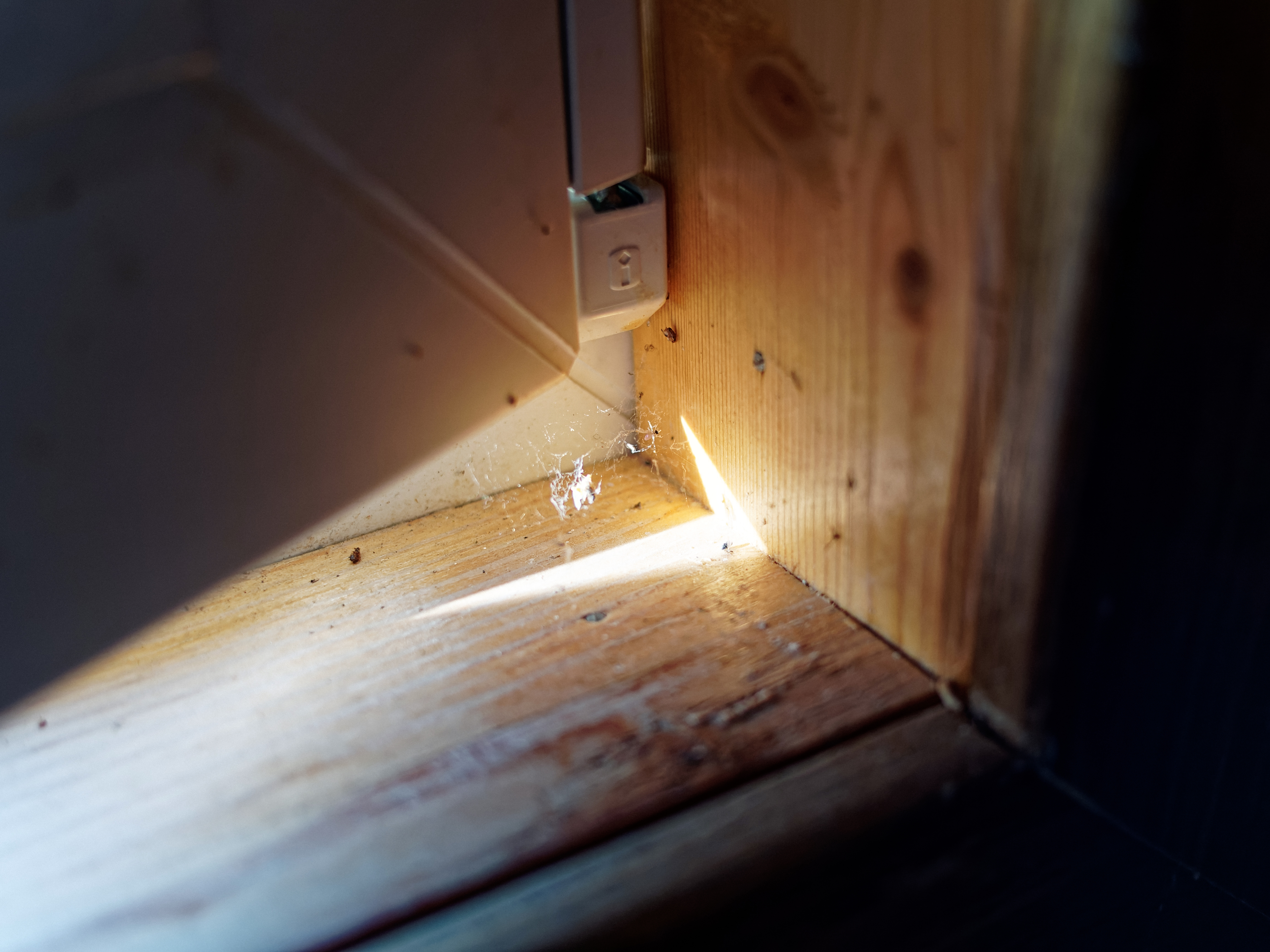
The longer you wait, the worse pest problems can become.
Taking proactive steps can save you headaches down the road.
Catching pests early can save you a lot of trouble.
It reduces the need for expensive extermination services and protects your home from damage.
By addressing issues promptly, you maintain a healthier living space for your family.
Most people think ignoring small signs won’t lead to big problems, but the opposite is true.
Early detection allows for easy, non-invasive solutions, preventing larger infestations and potential health risks.
Being proactive doesn’t just save money; it gives you peace of mind.
Want to stay ahead in the battle against pests? Subscribe to our newsletter for regular tips and advice.
Get expert guidance delivered straight to your inbox.
Our goal is to empower you with knowledge and keep your home pest-free.
Remember, staying informed is your best defense against pests.
By embracing these simple, natural methods, you’ll keep your home safe and healthy.
Say goodbye to pests and hello to peace of mind.
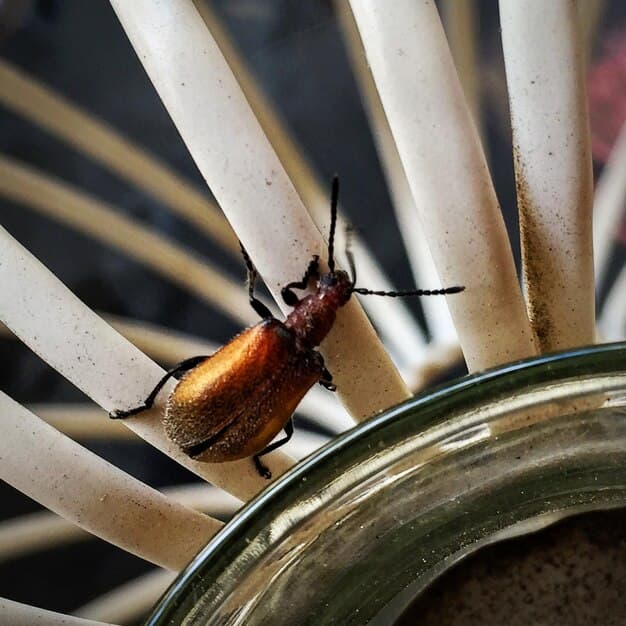
Spring pests surge due to warmer weather seeking food and shelter. Natural, non-toxic methods like vinegar, essential oils, sealing entry points, and ...

Layered natural pest control combines prevention, sealing, trapping, and repellents using safe, non-toxic methods like essential oils, diatomaceous ea...

Year-round guide for natural, chemical-free garden pest control: use seasonal strategies, companion planting, beneficial insects, DIY sprays, traps, a...
Understand pest behavior to disrupt their patterns using natural, eco-friendly methods like kitchen ingredients, essential oils, and home sealing. Saf...
