
Pest control for exotic pets isn’t as simple as spraying chemicals around.
Your reptile’s health depends on safe pest management that won’t harm their delicate environment.
That’s why natural pest control methods matter more than ever for exotic pets.
Keep reading to find reptile-friendly pest solutions that protect your pets while keeping pests at bay.
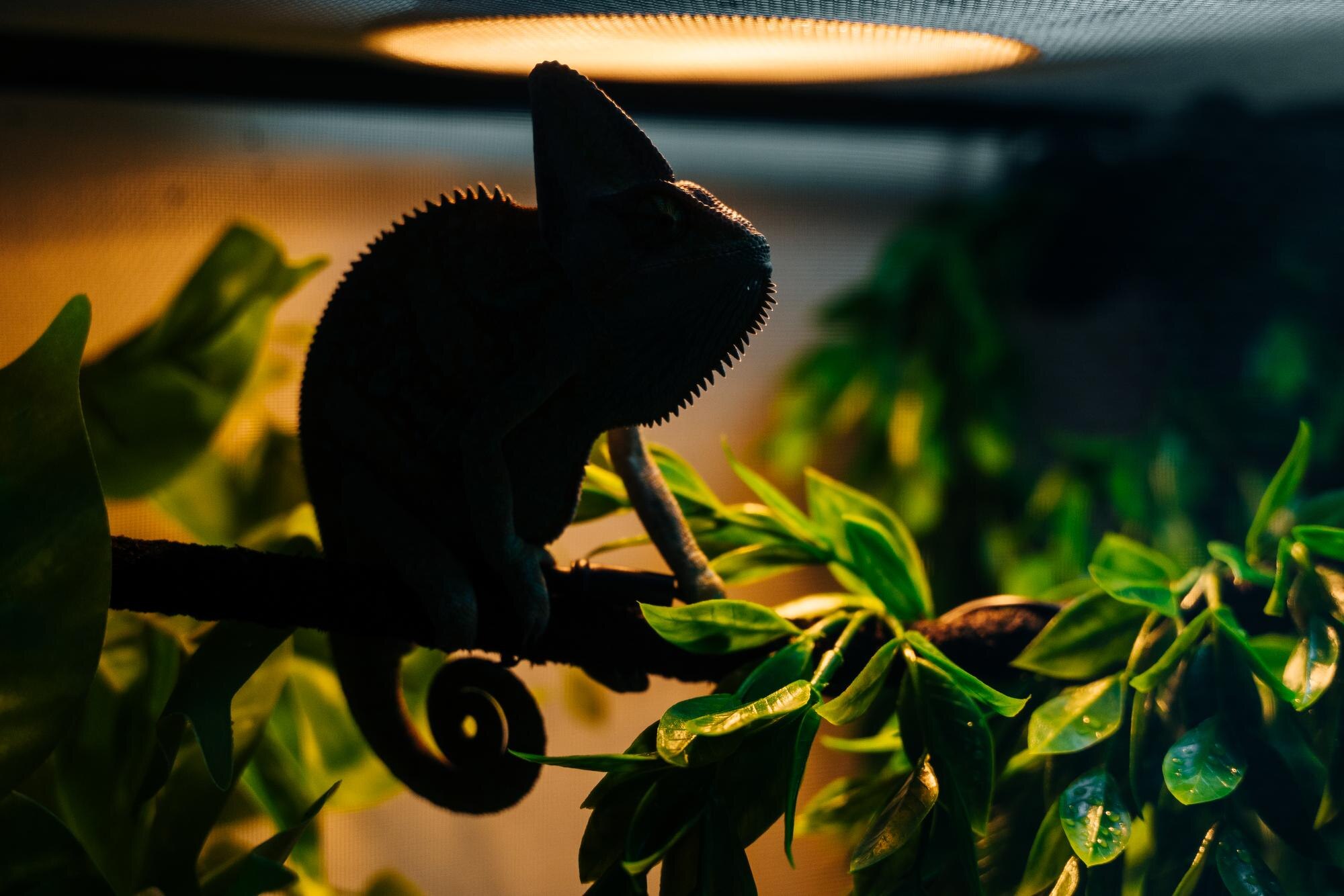
Keeping your exotic pet safe requires understanding the essentials of natural pest management.
Let’s dive into why safe methods are crucial and the unique advantages they offer your reptile friends.
Your reptile’s health hinges on avoiding harsh chemicals. Natural pest control ensures you protect your pet without compromising their habitat.
Using non-toxic methods, you can tackle pests while safeguarding your pet’s delicate environment.
One key reason to opt for safe pest management is to prevent accidental exposure to harmful chemicals, which can lead to health issues for your pet.
By choosing safer alternatives, you create a healthier home for your reptile.
Safe pest management is not just about avoiding chemicals.
It’s about choosing methods that work in harmony with your pet’s environment.
For example, instead of chemical sprays, you might use diatomaceous earth, which is safe for most reptiles and very effective against pests.
Understanding these methods puts you in control, allowing you to maintain a pest-free home without endangering your animals.
Exotic pets, like reptiles, benefit greatly from natural pest solutions.
These methods not only protect their health but also maintain a stable environment.
Without the interference of harsh chemicals, your pet enjoys a more natural habitat.
Consider natural pest control as an investment in your pet’s well-being.
It reduces the risk of chemical exposure and supports a more sustainable lifestyle.
Moreover, natural methods often work better over time, as they don’t disrupt the ecological balance in your pet’s habitat.
Pests are less likely to develop resistance, ensuring that your preferred natural remedies remain effective.
By using natural pest control, you’re not just protecting your pet today; you’re ensuring a healthier environment for the future.
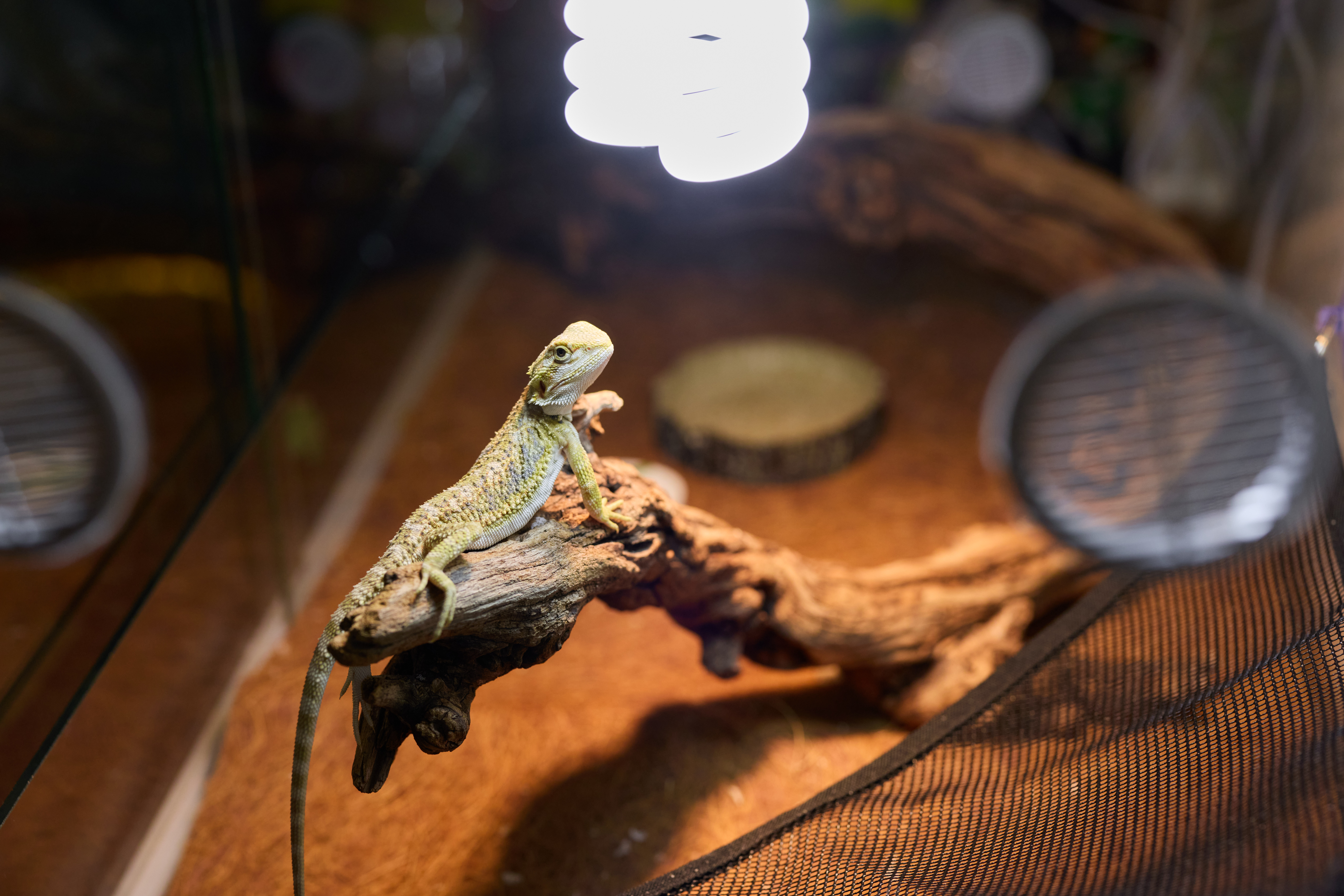
Now that we’ve explored the basics, let’s get into practical solutions.
Discover eco-friendly methods and simple DIY tips to manage pests without harm.
Eco-friendly pest control is a win-win for you and your pet.
It involves using environmentally safe products that won’t harm your reptile.
For instance, neem oil is a natural pesticide that works well against many pests.
It’s safe for reptiles but deadly for unwanted critters.
You can apply it around your pet’s living space to keep pests at bay without risking their health.
Another effective method is to introduce beneficial insects to your pet’s environment.
Ladybugs, for example, are great at controlling aphid populations and pose no threat to reptiles.
By choosing eco-friendly methods, you’re fostering a natural balance in your pet’s habitat.
This approach not only tackles pests but also encourages a thriving environment for your pet.
Explore more eco-friendly pest control tips to ensure you’re using the best strategies available.
These resources offer a wealth of knowledge to help you protect your pet effectively.
Homemade solutions can be both effective and satisfying.
Here are some easy tips to start with.
First, consider creating a natural repellent spray using ingredients like vinegar and essential oils.
This mixture can deter pests without harming your reptile.
Simply spray it around their habitat for added protection.
Another great DIY method is setting up natural traps using apple cider vinegar.
These attract and catch fruit flies and gnats, common nuisances in reptile habitats.
Place a small dish of vinegar near your pet’s environment to keep these pests under control.
These simple solutions empower you to manage pests without resorting to harmful chemicals.
By incorporating these DIY tips, you take charge of your pest control strategy, ensuring it’s both effective and safe.
For more insights, check out this comprehensive guide on managing pests naturally.
Ensuring a safe environment for your pet requires ongoing effort.
Let’s look at common pitfalls and expert advice to maintain a pest-free habitat.
Avoiding mistakes in pest management is crucial.
One common error is using chemical products without checking their compatibility with reptiles.
These can be harmful and disrupt your pet’s environment.
Always read labels carefully and opt for natural alternatives.
Another mistake is neglecting regular habitat cleaning.
Pests thrive in unclean conditions, so keeping your pet’s space tidy is essential.
It’s also important not to overlook the role of humidity and temperature.
Incorrect levels can attract pests, so monitor these factors closely.
By being aware of these common pitfalls, you can prevent many pest-related issues.
Regularly check for signs of pests and act promptly to address them.
Staying informed is key to effective pest management.
Experts recommend regularly rotating pest control methods to prevent pest adaptation.
For example, switch between different natural repellents to keep pests guessing.
Additionally, fostering a balanced ecosystem within your pet’s habitat can naturally deter pests.
Utilize resources like the ESA blog to stay updated on best practices.
They offer valuable insights into managing pests in exotic pet environments.
Remember, the more informed you are, the better you can protect your pet.
By following expert advice and continuous learning, you ensure a safe and healthy space for your exotic pet.
Investing time in education and careful planning makes all the difference in effective pest management.
Spring pests surge due to warmer weather seeking food and shelter. Natural, non-toxic methods like vinegar, essential oils, sealing entry points, and ...

Layered natural pest control combines prevention, sealing, trapping, and repellents using safe, non-toxic methods like essential oils, diatomaceous ea...

Year-round guide for natural, chemical-free garden pest control: use seasonal strategies, companion planting, beneficial insects, DIY sprays, traps, a...
Understand pest behavior to disrupt their patterns using natural, eco-friendly methods like kitchen ingredients, essential oils, and home sealing. Saf...
