
Pests in your reptile’s habitat can cause stress and health risks for your pet.
You want effective solutions that keep your enclosure safe without harsh chemicals.
This guide walks you through reptile safe pest control using organic methods you can trust to protect your pet and home.
Keep reading to learn simple steps for natural pest control terrariums that really work.
For more tips on maintaining a clean and safe environment, check out this resource.

Keeping pests out of your reptile’s space doesn’t need harsh chemicals.
Here, you’ll learn how to keep your reptile safe with natural solutions.
You want your reptile’s home to be a safe haven.
Start by using natural ingredients like vinegar and baking soda.
A simple mix can deter many pests.
Vinegar and Water Solution: Mix equal parts vinegar and water.
Spray this around the outside of the enclosure.
Diatomaceous Earth: This powder is safe for reptiles and effective against pests.
Sprinkle a small amount around the enclosure, but not inside.
These methods are not only safe but also effective in keeping pests at bay.
Natural pest control is key in terrariums.
Start with plants that repel insects, like lavender.
They add beauty and deter bugs.
Lavender: Plant outside the enclosure.
Its scent keeps pests away.
Neem Oil: Dilute with water and spray on the enclosure’s exterior.
By incorporating these natural elements, you create a barrier that pests shy away from.

Prevention is always better than cure.
Follow these steps to keep pests out of your reptile’s home.
A clean habitat is less attractive to pests.
Create a routine:
Weekly Cleaning: Remove waste and uneaten food.
Wipe surfaces with a cloth dampened with natural vinegar solution.
Monthly Deep Clean: Disassemble the enclosure.
Wash all elements with warm water and mild soap.
Ensure everything is completely dry before reassembling.
A consistent schedule ensures a healthy environment for your pet.
Feeder insects can bring pests.
Quarantine them to avoid infestations.
Separate Enclosure: Keep new insects in a different container for a week.
Observation: Watch for signs of pests.
If you see mites or other intruders, do not use these feeders.
This step ensures that only healthy insects enter your pet’s space.

Sometimes, specific pests need specific solutions.
Let’s tackle common issues in reptile enclosures.
Mites can harm your reptile.
Regular checks and treatments are essential.
Visual Inspections: Check your reptile daily for signs of mites, such as small red or black spots.
Natural Oils: Dab a bit of olive oil on affected areas.
This suffocates mites without harming your pet.
Preventing mites is crucial for your pet’s health.
Gnats can be pesky in enclosures.
Here’s how to manage them.
Apple Cider Vinegar Traps: Place a small cup of apple cider vinegar with a drop of dish soap near the enclosure.
This attracts and traps gnats.
Reduce Moisture: Gnats thrive in moisture.
Ensure your enclosure has proper ventilation and is not overly humid.
Controlling gnats protects your reptile and maintains a pleasant environment.
By implementing these organic pest control methods, you ensure a safe and stress-free home for your reptile.
Remember, a little prevention goes a long way in maintaining a healthy habitat.
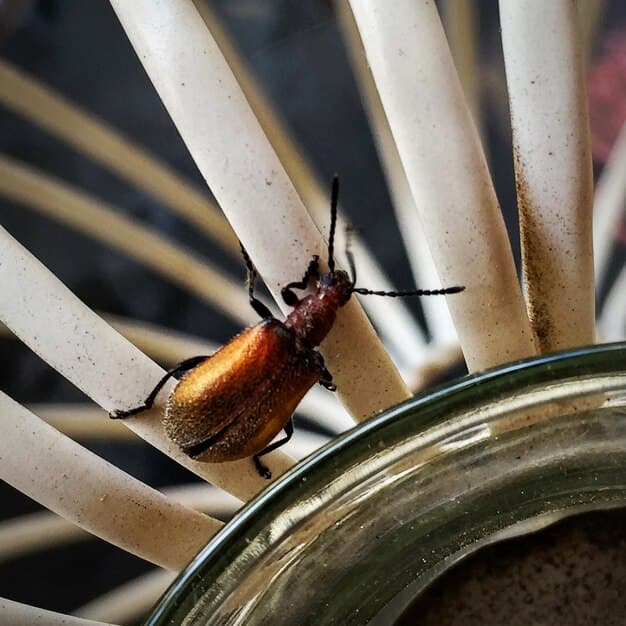
Affordable, pantry-safe pest control includes cleaning surfaces, sealing entry points, using airtight containers, and natural DIY remedies like vinega...

This guide offers affordable, natural, renter- and pet-safe pest control tips using household items like vinegar, lemon, and diatomaceous earth, empha...
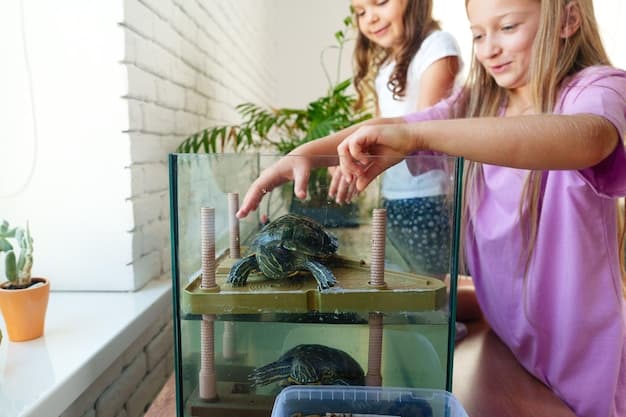
This guide offers natural, reptile-safe pest control methods emphasizing hygiene, regular checks, proper ventilation, quarantine, and using beneficial...

Learn to spot early pest signs like droppings, grease marks, and plant damage, then seal entry points naturally with weatherstripping, steel wool, and...
