
Pests can sneak into reptile enclosures and homes faster than you expect, putting your pets and space at risk.
You want reptile safe pest control that keeps unwanted bugs out without harming your scaly friends.
This guide breaks down simple, natural steps to pest proofing reptile enclosures and your home—no toxic chemicals needed.
Stick with me, and you’ll get easy routines plus a checklist to keep pests away safely and for good.
For more information, check out this discussion on pest control and reptile safety.

Let’s jump into natural methods that are both safe for your reptiles and effective in keeping pests at bay.
These tips are easy to follow and won’t require you to use harsh chemicals.
The key to keeping pests away from your reptile enclosures starts with prevention.
Begin by sealing any cracks or openings where bugs might sneak in.
Regularly inspect these spots to ensure they remain sealed.
You might be surprised at how determined insects can be!
Seal Entry Points: Use silicone caulk or weatherstripping to close gaps.
Maintain Cleanliness: Sweep and mop around enclosures to eliminate food crumbs.
Regular Inspections: Weekly checks on the enclosure can prevent infestations early.
By maintaining a clean environment, you’re not just protecting your reptiles but also making your home less attractive to pests.
Eco-friendly methods are not only good for the planet but also for your pets.
Consider introducing natural deterrents like essential oils.
Certain oils can repel insects without harming reptiles.
Essential Oils: Use oils like peppermint or eucalyptus.
Simply mix with water and spray lightly around enclosures.
Natural Barriers: Planting herbs such as basil or mint near windows can keep bugs at bay.
These strategies are simple and provide peace of mind.
Most people think they need strong chemicals to keep pests away, but nature offers its own solutions.
Integrated Pest Management (IPM) is a holistic approach focusing on long-term prevention.
This involves a mix of techniques tailored to your situation.
Monitor Pest Activity: Keep a journal of any pest sightings and patterns.
Use Biological Controls: Introduce natural predators like ladybugs if appropriate.
By combining these methods, you create a balanced ecosystem where pests are naturally controlled.
If you’re curious about other reptile-safe techniques, check out more on reptile safe bug control.

Now that you know the basics, let’s focus on pest-proofing your reptile’s home.
A well-maintained enclosure is your first defense against unwanted visitors.
Cleaning your reptile’s enclosure is crucial.
A clean space discourages pests and ensures your reptile stays healthy.
Weekly Deep Clean: Remove everything and clean with warm, soapy water.
Allow to dry completely.
Daily Spot Clean: Remove uneaten food and waste promptly.
Substrate Replacement: Change bedding regularly to prevent mold and mites.
By keeping up with these habits, you’ll maintain a healthy environment that pests won’t want to invade.
Bug traps are another layer of defense.
But how do you set them up without harming your reptiles?
Outside Placement: Place traps outside the enclosure, never inside.
This prevents accidental ingestion.
Non-Toxic Options: Use sticky traps that don’t contain pesticides.
Setting these up around your enclosure can greatly reduce pest entry.
Discover more about pest control with reptiles on Aussie Pythons.
Fruit flies are a common nuisance, especially in humid environments.
Here’s how you can stop them in their tracks.
Remove Overripe Fruit: Don’t leave fruit in the vivarium for long periods.
Vinegar Traps: A small dish of apple cider vinegar with a drop of dish soap can catch them effectively.
These simple steps can keep your vivarium fruit fly-free, ensuring your reptiles remain undisturbed.

You can extend these pest control strategies beyond your reptile enclosures to your whole home.
Let’s explore some DIY methods.
Ants can be persistent, but you don’t need harmful chemicals to combat them.
Borax and Sugar Mixture: Ants are attracted to sugar and will carry the borax back to their nest.
Vinegar Solution: Spraying vinegar along entry points can deter ants effectively.
These approaches not only protect your home but also ensure your pets remain safe.
Roaches are resilient, but with the right approach, you can keep them away naturally.
Boric Acid and Flour Bait: Mix boric acid with flour and sugar for an effective bait.
Diatomaceous Earth: Sprinkle this natural powder in corners and crevices.
These techniques provide a safe alternative to chemical sprays.
Learn more about keeping pests away from your home here.
Keeping pests out of your living spaces can be simple with natural repellents.
Citrus Peels: Place them near windows and doors to repel insects.
Herbal Sachets: Use lavender and rosemary sachets in closets and drawers.
These solutions are easy to implement and can keep your home pest-free without compromising the safety of your reptiles.
For more tips, join discussions on eco-friendly pest control.
By following these natural, reptile-safe pest control methods, you’re not only protecting your pets but also creating a healthier living space for everyone.
Keep pests at bay, and enjoy peace of mind knowing your solutions are safe and effective.
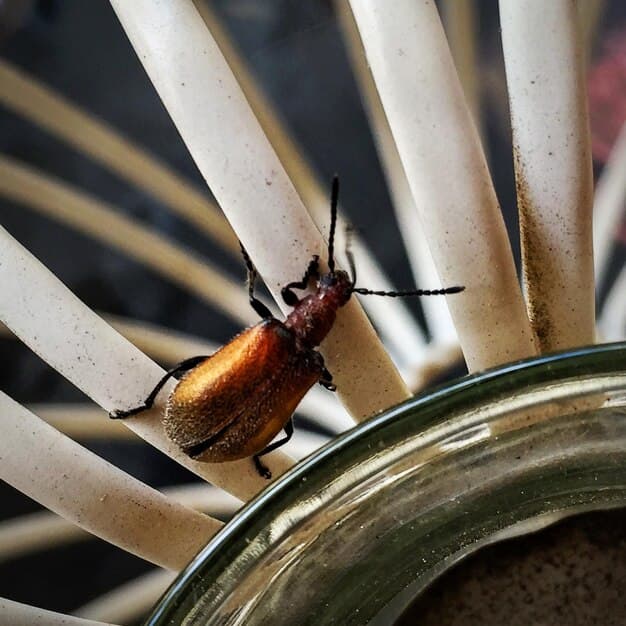
This guide offers natural, eco-friendly pest control methods—early monitoring, healthy soil, companion planting, beneficial insects, and homemade spra...
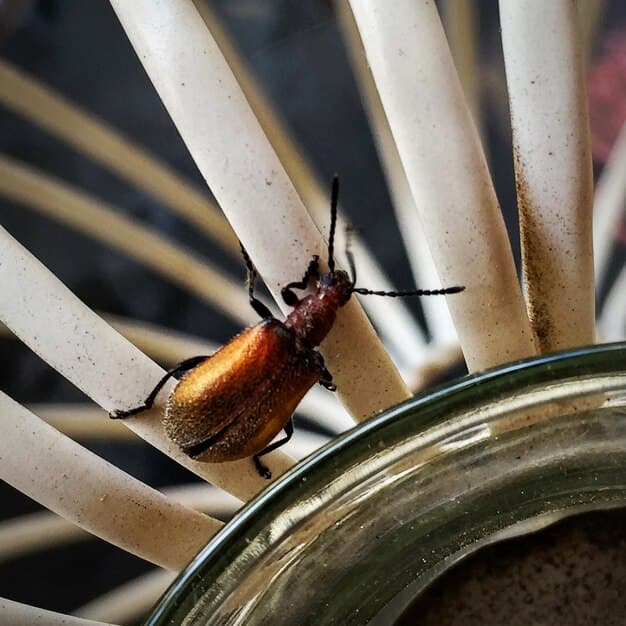
Affordable, pantry-safe pest control includes cleaning surfaces, sealing entry points, using airtight containers, and natural DIY remedies like vinega...

This guide offers affordable, natural, renter- and pet-safe pest control tips using household items like vinegar, lemon, and diatomaceous earth, empha...
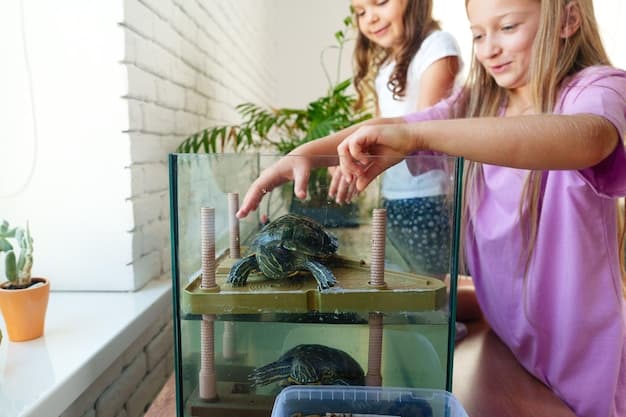
This guide offers natural, reptile-safe pest control methods emphasizing hygiene, regular checks, proper ventilation, quarantine, and using beneficial...
