
Pests find their way inside through the smallest cracks and gaps, turning your home into an unwelcome playground.
You might think chemical sprays are the only option, but they often bring more risks than rewards.
Let’s explore natural pest control methods that help you block pest entryways safely and keep your home pest-free without harsh chemicals.

Pests are sneaky, but knowing where to look can help you stop them in their tracks.
Let’s start by identifying the most common entry points in your home.
Your home might have more entryways than you think.
Tiny cracks in walls, gaps around windows, and spaces under doors are just a few.
Rodents, insects, and other pests use these openings as highways straight into your living space.
Consider the weather stripping around your doors; if it’s worn, it’s an open invitation.
And don’t forget about the gaps where utility lines enter your house.
These spaces are often overlooked yet provide ample room for pests to sneak in.
A quick tip: use a flashlight to spot any openings that might be letting unwanted guests in.
Now that you know where pests might enter, it’s time to pinpoint the most vulnerable areas.
Focus on the basement, attic, and any crawl spaces.
These spots are often out of sight, making them perfect hideouts for pests.
Check for cracks in the foundation or holes in screens.
Even small tears can be problematic.
Another critical area is the kitchen, where food sources abound.
Make sure to inspect under sinks and behind appliances.
By identifying these vulnerable areas, you can take targeted action to keep pests out.

Armed with the knowledge of entry points, let’s dive into natural strategies that offer safe and effective pest control.
Natural solutions are not only safer but also kinder to the environment.
Essential oils, like peppermint and lavender, can deter pests with their strong scents.
A few drops around doorways or windows can create a natural barrier.
Diatomaceous earth is another excellent choice.
This fine powder is harmless to humans but deadly to insects.
Sprinkle it in areas where you suspect pest activity.
For a DIY approach, try mixing vinegar and water to clean surfaces.
This natural cleaner deters pests while keeping your home fresh.
Non-toxic methods are perfect for households with kids or pets.
Sticky traps can catch pests without the need for harmful chemicals.
Place them in high-traffic areas to monitor and reduce pest activity.
Another method is using physical barriers.
Mesh screens can be installed over vents and chimneys to block entry.
For gardens, consider planting pest-repelling herbs like basil or mint.
These plants not only ward off intruders but also add a fragrant touch to your outdoor space.

With natural solutions in hand, it’s time to think about long-term prevention.
Here’s how you can fortify your home against future invasions.
Preventing pests doesn’t have to be complicated.
Start by sealing gaps around windows and doors with caulk or weatherstripping.
This simple step can drastically reduce entry points.
Inspect your home’s exterior regularly for cracks and seal them promptly.
For a quick fix, use steel wool to plug holes.
It’s tough for pests to chew through.
Don’t forget to keep your yard tidy.
Trim bushes and trees away from the house to eliminate bridges for pests.
Surprising everyday items can be your secret weapon in pest prevention.
A mix of water and dish soap in a spray bottle can deter insects on contact.
Coffee grounds are another handy tool; sprinkle them around garden beds to repel ants and other bugs.
For a natural scent barrier, try placing bay leaves in the pantry.
They’re known to keep weevils and other pantry pests at bay.
By incorporating these natural strategies, you’re well on your way to maintaining a pest-free home.
Remember, the longer you wait to address these issues, the harder they can be to manage.
Take action today and enjoy peace of mind knowing your home is protected naturally.
For more tips and strategies on maintaining a pest-free home, check out this helpful guide.
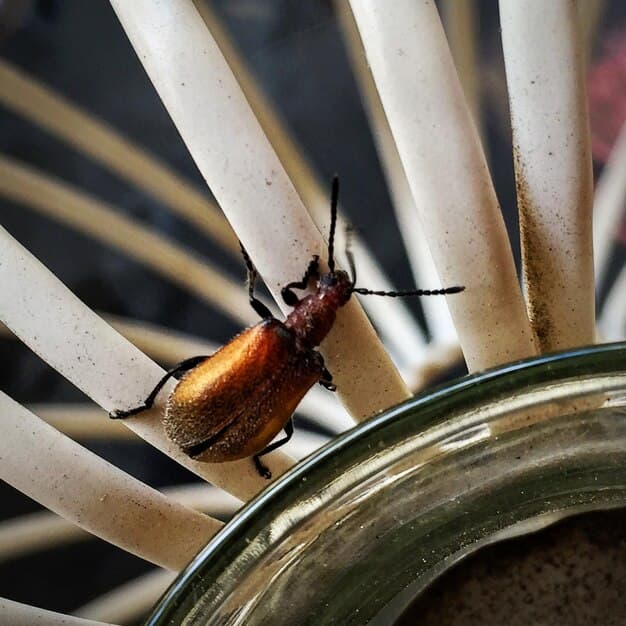
Spring pests surge due to warmer weather seeking food and shelter. Natural, non-toxic methods like vinegar, essential oils, sealing entry points, and ...

Layered natural pest control combines prevention, sealing, trapping, and repellents using safe, non-toxic methods like essential oils, diatomaceous ea...
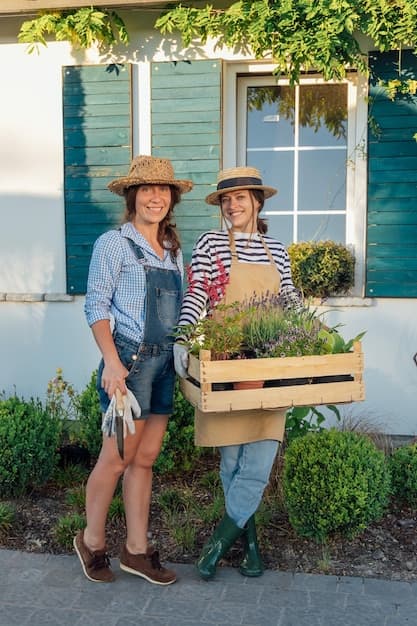
Year-round guide for natural, chemical-free garden pest control: use seasonal strategies, companion planting, beneficial insects, DIY sprays, traps, a...
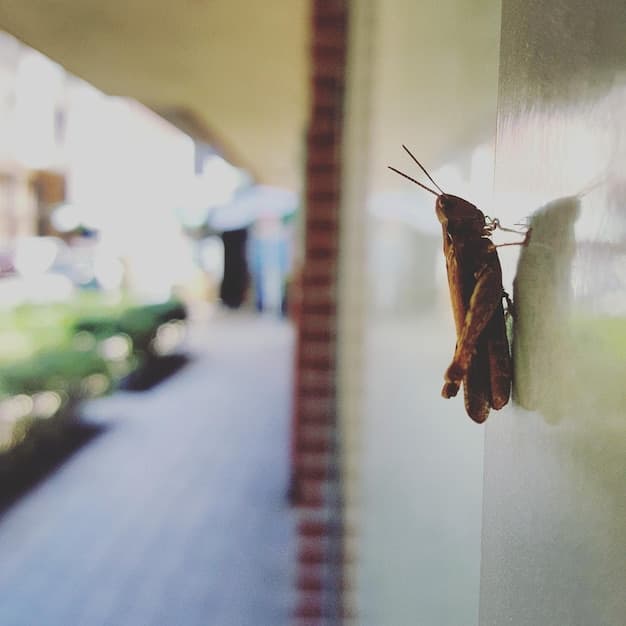
Understand pest behavior to disrupt their patterns using natural, eco-friendly methods like kitchen ingredients, essential oils, and home sealing. Saf...
