
Most new homeowners face pest issues faster than they expect.
Chemicals might seem like a quick fix, but they often bring risks you don’t want in your new space.
This guide shows you how to build a simple, chemical-free pest control plan using natural ingredients right from your kitchen and garden.
Keep reading to get your new homeowner pest checklist and start protecting your home the safe way. [https://www.peacecorps.gov/educators-and-students/educators/resources/making-natural-pest-controls/]

Starting fresh in a new home without pests is easier than you think.
Here’s how to set up a clean foundation.
Before settling in, a good checklist can save you headaches.
Begin by inspecting your home thoroughly.
Look for signs of pests like droppings or nests in hidden corners.
Checking these spots now can prevent big issues later.
Next, make a list of trouble areas to address.
Focus on basements, attics, and any dark spaces.
These places are often where pests hide.
Make sure to note any cracks or gaps that need sealing.
A little effort now can lead to a pest-free home.
Sealing cracks may sound simple, but it’s a powerful barrier against pests.
Use caulk to fill in any visible gaps around your windows and foundation.
This step keeps out insects and rodents.
Installing door sweeps is another smart move.
They block the tiny spaces under doors where pests love to sneak through.
You can find these at your local hardware store.
They’re easy to install and can make a big difference in keeping your home secure.
Did you know that some kitchen staples can deter pests?
Peppermint oil is a great natural mouse deterrent.
Just a few drops on cotton balls placed strategically can keep them away.
For roaches, try using bay leaves.
Place them in cabinets and under sinks.
The scent is unpleasant for roaches, making your home less inviting.
Using these simple items can save you from costly pest control bills.

DIY solutions are both budget-friendly and safe.
Let’s explore how to use items from your kitchen to tackle pests naturally.
Many common kitchen items double as pest repellents.
For ants, sprinkle cinnamon along their trails.
Ants dislike its strong smell, and it disrupts their scent paths.
Another option is using vinegar.
Mix equal parts vinegar and water to clean surfaces.
This solution not only deters pests but also disinfects your home.
A cleaner home means fewer pests.
Vinegar isn’t just for salad dressing.
As a spray, it’s a natural way to keep bugs at bay.
Mix it with water and spray it around entry points.
This simple spray can deter many types of pests.
Peppermint oil is a powerhouse for pest control.
It works well against ants and mice.
Add a few drops to a spray bottle with water and spritz around your home.
Not only is it effective, but it also leaves a fresh scent.
Diatomaceous earth is a safe and natural pest control method.
It works by dehydrating insects.
Simply sprinkle it in problem areas.
However, always use food-grade diatomaceous earth to ensure safety.
Avoid inhaling it, and keep it out of reach of pets and children.
With these precautions, it’s a valuable tool in your pest control arsenal.
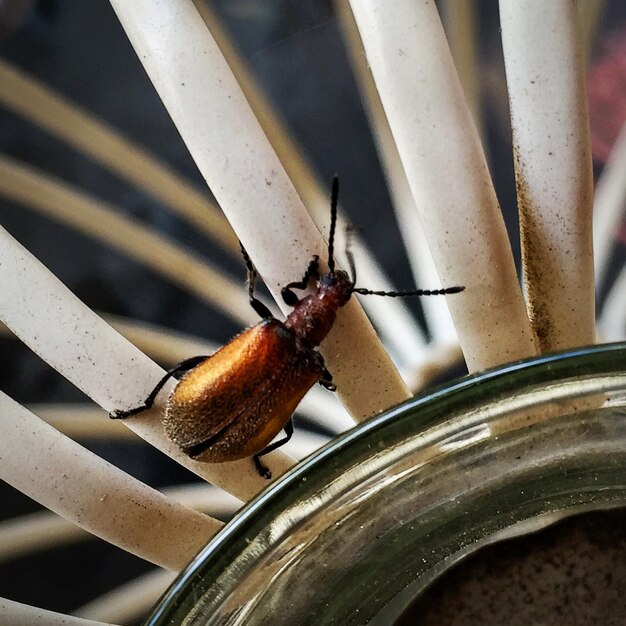
Different seasons bring different pest challenges.
Keeping up with seasonal maintenance is key to staying ahead.
Each room in your home has unique pest challenges.
In the kitchen, store food in airtight containers to keep pests out.
Check under sinks for leaks, as moisture attracts pests.
In the bathroom, make sure there’s no standing water.
Pests love damp areas.
Keep an eye on basements and attics too.
These areas can become pest hotspots if not monitored regularly.
Gardens can attract pests, but natural deterrents can help.
Planting herbs like mint and basil can keep pests away.
They dislike the strong scents, making your garden less appealing.
You can also use coffee grounds around plants.
Not only do they enrich the soil, but they also deter pests.
A thriving garden without pests is possible with these natural tricks.
Creating a routine helps maintain a pest-free home.
Regularly inspect and clean areas where pests might hide.
Use natural solutions like vinegar sprays and peppermint oil regularly.
Being proactive is the best way to prevent infestations.
Remember, the longer you wait, the bigger the problem can become.
Keeping up with these tasks ensures a safe and comfortable home.
✨
By following these tips, you can enjoy a pest-free home without the harmful chemicals.
Embrace these natural methods to keep your space safe and inviting.
For more eco-friendly pest solutions, consider joining our community for tips and advice.
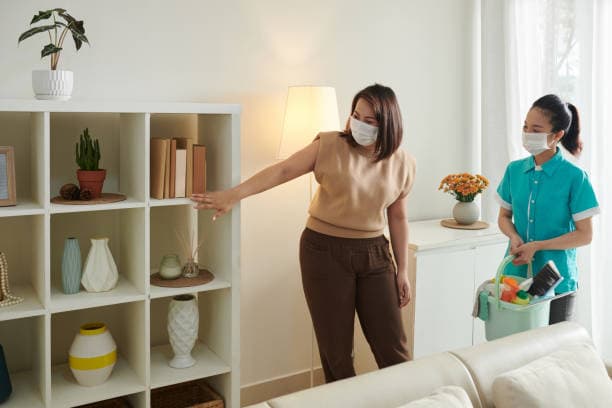
Use household items like vinegar, citrus peels, baking soda, coffee grounds, peppermint oil, and dish soap for safe, eco-friendly pest control. Combin...
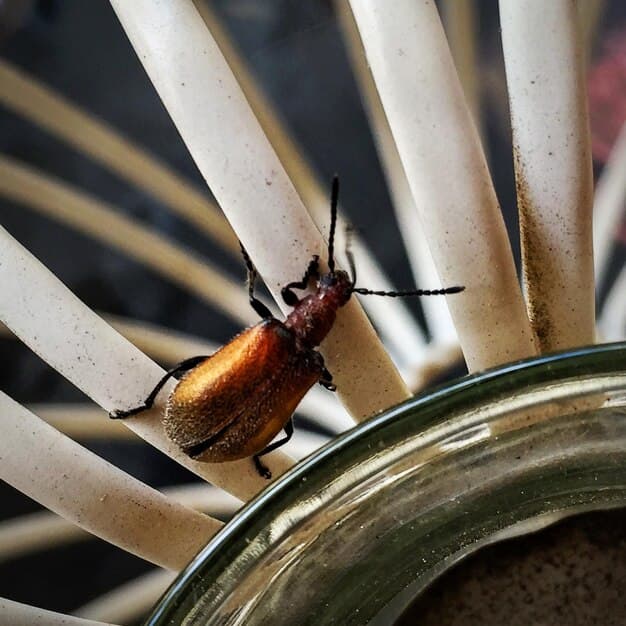
This guide offers natural, eco-friendly pest control methods—early monitoring, healthy soil, companion planting, beneficial insects, and homemade spra...
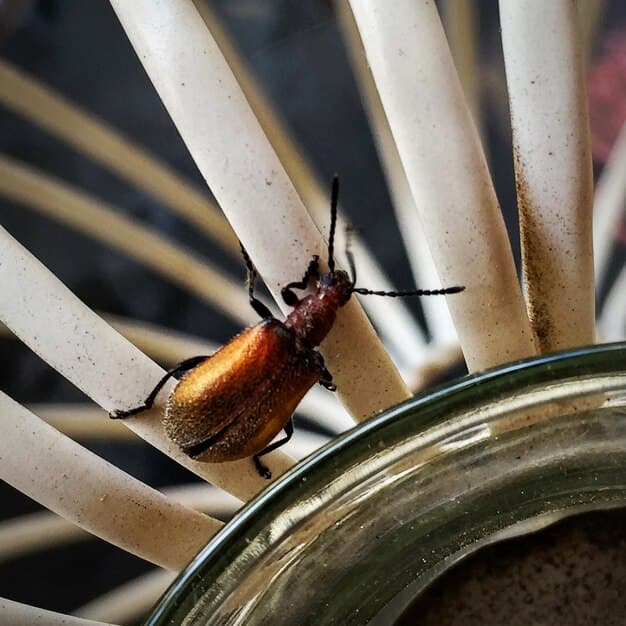
Affordable, pantry-safe pest control includes cleaning surfaces, sealing entry points, using airtight containers, and natural DIY remedies like vinega...

This guide offers affordable, natural, renter- and pet-safe pest control tips using household items like vinegar, lemon, and diatomaceous earth, empha...
