
Pests don’t have to take over your home or garden.
You can stop them with simple, natural methods using items from your kitchen or garden.
This beginner pest control guide shows you how to identify pests, seal entry points, and apply safe remedies that protect your family and pets.
Ready to start your eco-friendly pest control journey?
Let’s take the first step together.
Learn more about natural pest control methods here.

Finding ways to keep your home free from pests while being friendly to the environment may seem like a challenge.
But with natural pest control, you can achieve both goals.
Let’s explore what this approach entails.
Natural pest control uses simple, non-toxic methods to manage pests.
Instead of harsh chemicals, you use things like kitchen ingredients or garden plants.
This means you can tackle pests without worrying about harming your family or pets.
For example, diatomaceous earth is a popular choice for controlling ants and roaches.
It’s a fine powder that feels like sand to us but is deadly to small bugs.
This method not only keeps pests at bay but also respects your home’s health.
Why choose eco-friendly pest control?
First, it’s safe for everyone in your home, including pets.
Second, it reduces the impact on the environment, keeping your garden and local ecosystem healthy.
Imagine using vinegar to deter ants instead of chemical sprays.
Vinegar is natural and won’t leave harmful residues.
Such solutions are not only effective but also align with sustainable practices.
These methods are often more affordable, using items you already have on hand.
Your family’s safety is top priority.
Traditional pesticides can pose health risks, especially to pets and children.
Non-toxic solutions offer peace of mind.
A common natural pest control method includes essential oils, like peppermint.
Peppermint oil is great for repelling spiders and mice.
You simply mix a few drops with water and spray it around entry points.
This keeps pests out and ensures your loved ones stay safe and healthy.
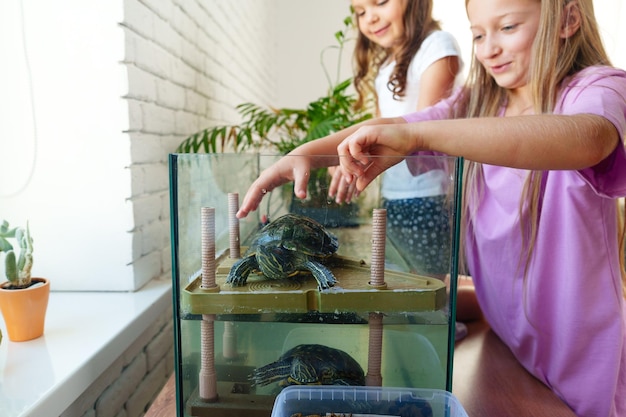
Now that you understand the benefits of natural pest control, let’s get practical.
Achieving a pest-free home involves some straightforward steps.
First, you need to know what you’re dealing with.
Look around your home for signs of pests.
Check your kitchen for ants and your bathroom for roaches.
Spotting the problem is the first step to solving it.
If you’re unsure, keep an eye out for droppings or chewed wires.
These are strong indicators of a pest presence.
Once you’ve identified the culprits, you’re better equipped to address them effectively.
Next, tidy up areas where pests love to hide. Clutter is a common invitation for pests.
Store food in sealed containers and sweep regularly.
Pay attention to kitchen counters and pantry shelves.
Keeping these areas clean removes food sources that attract unwanted guests.
A simple vacuuming session can pick up crumbs pests love.
Remember, a tidy home is less inviting to pests looking for a place to settle.
Pests get in through small gaps and cracks. Inspect your home’s exterior and seal any openings.
Use caulk for cracks around windows and doors.
A little effort here means fewer pests inside.
Check for holes by pipes under sinks, as these are common entry points.
Sealing these gaps stops pests from entering, making your home a fortress against unwanted visitors.

With a clean and secure home, you’re ready to tackle any remaining pests.
Let’s look at some natural remedies you can try.
Your kitchen holds many treasures for pest control.
For instance, baking soda and sugar can combat roaches.
Mix equal parts and sprinkle where you’ve seen activity.
Roaches ingest the mixture, and the baking soda works its magic from within.
This simple concoction is both effective and safe.
Other ingredients like garlic and cayenne pepper can also deter insects.
These common items provide powerful pest control without the chemicals.
Essential oils are more than just pleasant scents. Peppermint and lavender oils are effective against various pests.
Mix a few drops with water and spray along baseboards.
This keeps pests away while filling your home with a fresh aroma.
For a more targeted approach, try tea tree oil to deter ants or citronella oil for mosquitoes.
These oils offer a natural barrier, keeping your home pest-free and smelling wonderful.
Creating your own pest traps is easier than you think.
A simple trap for fruit flies involves apple cider vinegar.
Pour some into a bowl and cover with plastic wrap, poking small holes.
Flies are drawn in and can’t escape.
This trap provides a satisfying solution to an annoying problem.
Similarly, a mix of yeast, sugar, and water can attract and drown mosquitoes.
Such DIY solutions are cost-effective and eco-friendly, providing you with control over your home’s pest management.
Taking these steps empowers you to maintain a pest-free environment naturally.
By using everyday items and non-toxic methods, you protect your home, loved ones, and the planet.
Remember, the longer you wait to address pest issues, the more entrenched they can become.
So, take action today with these natural solutions and enjoy a healthier, happier home.
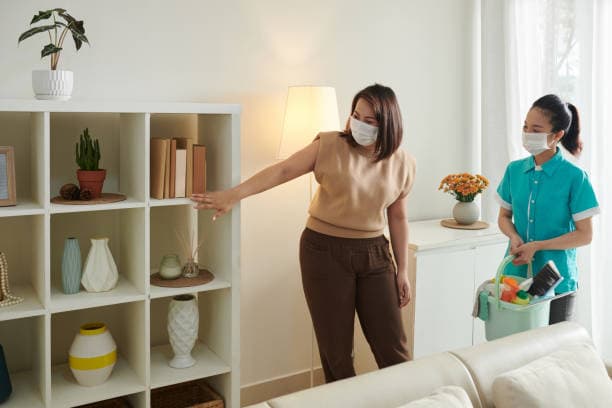
Use household items like vinegar, citrus peels, baking soda, coffee grounds, peppermint oil, and dish soap for safe, eco-friendly pest control. Combin...
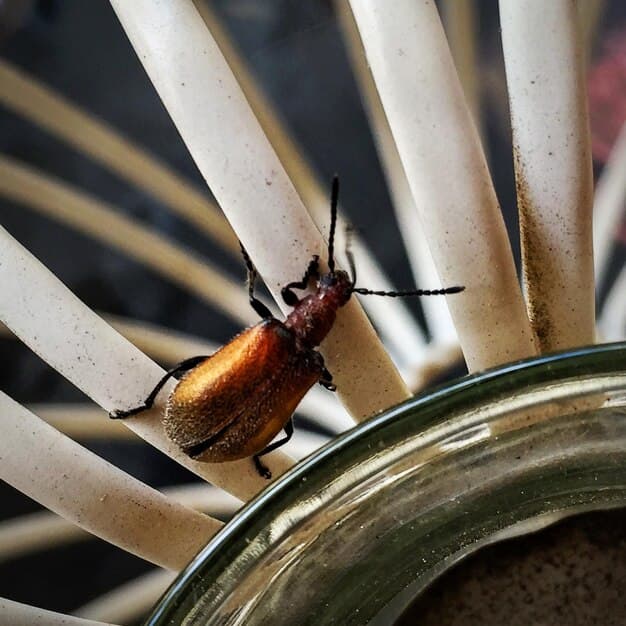
This guide offers natural, eco-friendly pest control methods—early monitoring, healthy soil, companion planting, beneficial insects, and homemade spra...
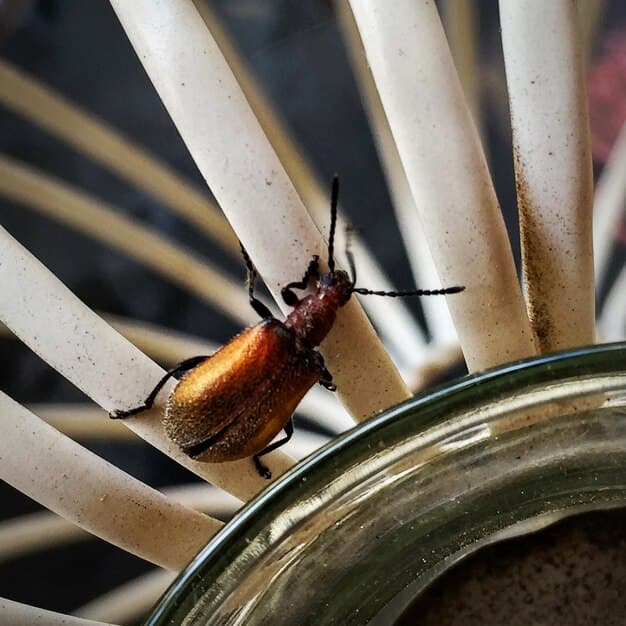
Affordable, pantry-safe pest control includes cleaning surfaces, sealing entry points, using airtight containers, and natural DIY remedies like vinega...

This guide offers affordable, natural, renter- and pet-safe pest control tips using household items like vinegar, lemon, and diatomaceous earth, empha...
