
Pests don’t just bug you—they threaten your home’s health.
You’ve probably tried quick fixes that only push them around, not out.
Natural pest barriers offer a simple, affordable way to keep bugs away without harsh chemicals.
In this guide, you’ll learn how to seal cracks, set up safe scent defenses, and create pest-proof zones that protect your family and pets. Learn more about eco-friendly pest management.
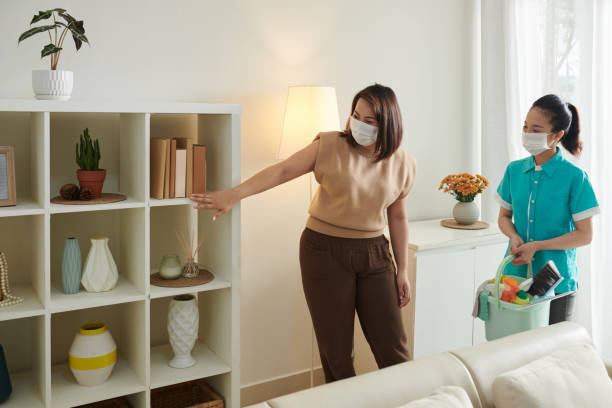
Getting rid of pests naturally is simpler than you think.
Let’s explore how you can create barriers that are both effective and eco-friendly.
Imagine your home as a fortress.
To keep invaders out, you must close every possible entry.
Start with doors and windows—installing door sweeps and weatherstripping can block pests like ants and spiders from sneaking in. Sealing cracks around windows and doors with caulk is another step to bar these tiny intruders.
A study shows that homes with sealed entry points see a 50% reduction in pest activity.
If you spot a crack, seal it right away.
This simple action can save you from larger infestations later.
Don’t forget about your attic and basement—pests love hiding in these less-visited areas.
Think about this: most people think pest problems start outside, but often, the issue begins inside from ignored gaps. Seal cracks to stop insects and protect your living space effectively.
Certain scents can make pests turn away fast. Peppermint oil is a natural ant repellent.
Just a few drops on cotton balls placed in problem areas can do wonders.
It’s an easy and pleasant-smelling way to keep ants at bay without harmful chemicals.
Another option is citrus peels.
Lay them around your home, focusing on kitchen areas where pests love to gather.
The refreshing scent will keep bugs at bay and make your home smell lovely.
Here’s the key insight: using scents not only deters pests but also creates a pleasant atmosphere in your home. Most people think harsh chemicals are the only way, but natural options can be just as effective.
Now, with your home fortified against pests, let’s move outside to tackle garden invaders.
Your garden can be a sanctuary for you, but it can also attract pests.
The good news?
There are natural methods to keep it safe.
Ever thought about using plants to protect your garden? Companion planting is when you grow certain plants together to repel pests.
For example, marigolds are great companions for vegetables like tomatoes, as their scent deters many insects.
Consider planting basil near your tomatoes.
Not only does it improve flavor, but it also keeps pests at bay.
Studies show that gardens using companion plants have a 30% lower pest rate.
Here’s a fun fact: most people think pesticides are necessary, but plants can do the job just as well.
For more planting tips, check out this guide.
Proper mulch management can discourage pests from settling in.
Use natural mulches like wood chips or straw.
They not only retain soil moisture but also deter pests when managed correctly.
Make sure your mulch doesn’t touch plant stems.
This prevents pests from having a direct path to your plants.
A two-inch layer is often enough for benefits without inviting pests.
Did you know that most people think thicker mulch is better?
In reality, it can harbor pests if too deep.
Keep it light and effective.
With your garden guarded, let’s shift focus to maintaining a pest-free home interior.

Simple habits can make a huge difference in keeping pests away from your living spaces.
Pests love clutter.
More places to hide mean more comfort for them.
A tidy home is less inviting.
Regularly go through storage areas and clear out unnecessary items.
Keep things off the floor and organized to reduce hiding spots.
An organized home shows a 40% reduction in pest sightings.
It’s not just about cleanliness, but creating an environment where pests can’t thrive.
Remember, most people think pests only come for food, but clutter draws them in too.
Food safety isn’t just about health, it’s about keeping pests away.
Store food in airtight containers.
This simple step can prevent pests like cockroaches and ants from feasting on your supplies.
Wipe down surfaces regularly and keep dry goods sealed.
A clean kitchen is a less attractive target for pests. Prevent cockroaches naturally by maintaining these habits.
Here’s a reminder: most people think a clean floor is enough, but counters and cabinets matter too.
For more insights, refer to this resource.
With these habits, your home remains a safe haven, free from unwanted guests.
By implementing these strategies, not only do you protect your home, but you also promote a healthier environment for your family and pets.
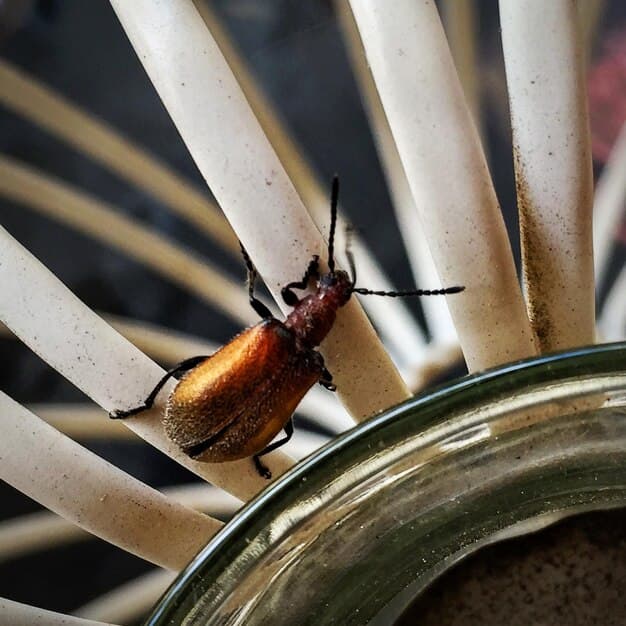
This guide offers natural, eco-friendly pest control methods—early monitoring, healthy soil, companion planting, beneficial insects, and homemade spra...
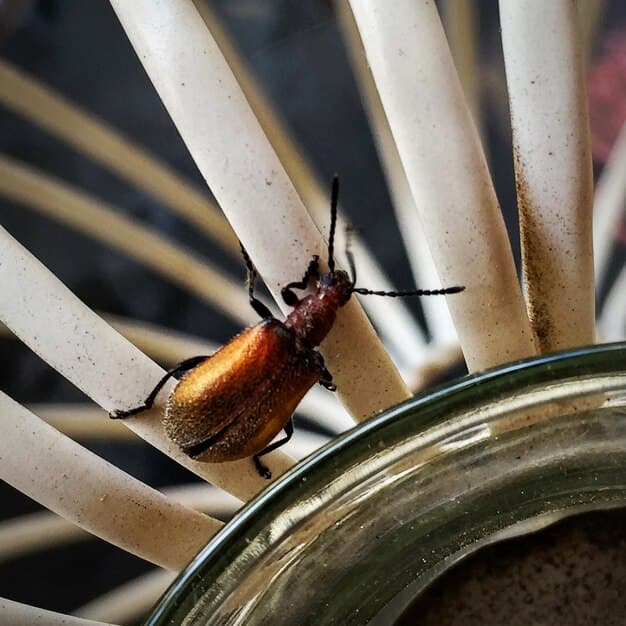
Affordable, pantry-safe pest control includes cleaning surfaces, sealing entry points, using airtight containers, and natural DIY remedies like vinega...

This guide offers affordable, natural, renter- and pet-safe pest control tips using household items like vinegar, lemon, and diatomaceous earth, empha...
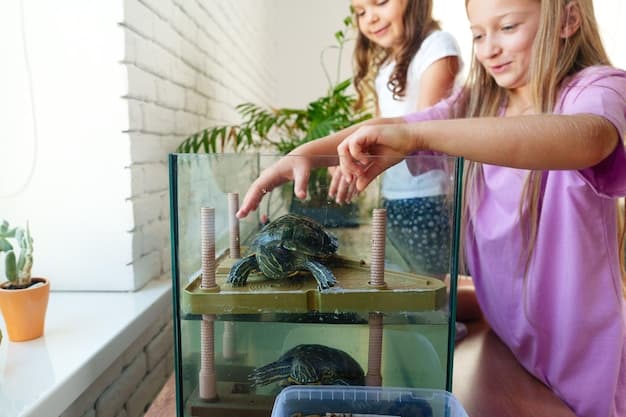
This guide offers natural, reptile-safe pest control methods emphasizing hygiene, regular checks, proper ventilation, quarantine, and using beneficial...