
Seasonal pest patterns can catch you off guard, turning your peaceful home into a battleground.
You’ve tried quick fixes that only mask the problem, leaving pests to come back stronger.
This guide shows you simple, natural pest control methods that work with the seasons, helping you keep pests away all year long—without harsh chemicals or high costs.
Ready to take charge of your home pest prevention? Find out how!
Every season brings its own set of pest challenges.
By learning about these patterns, you can stay a step ahead and protect your home.
Let’s dive into identifying those pesky invaders.
Pests don’t just appear randomly.
They follow a pattern, and understanding this can be key.
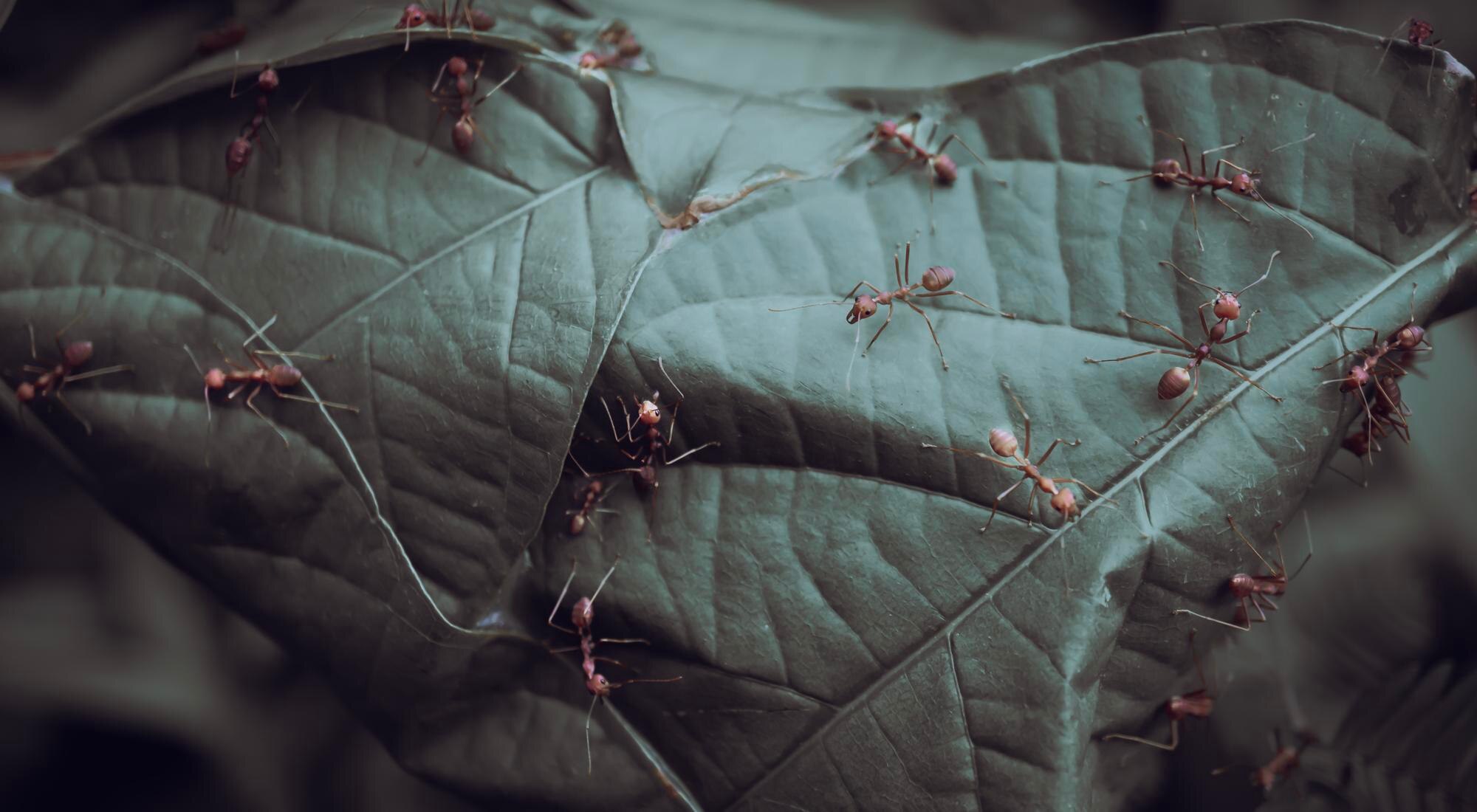
In spring, ants often make their way indoors in search of food.
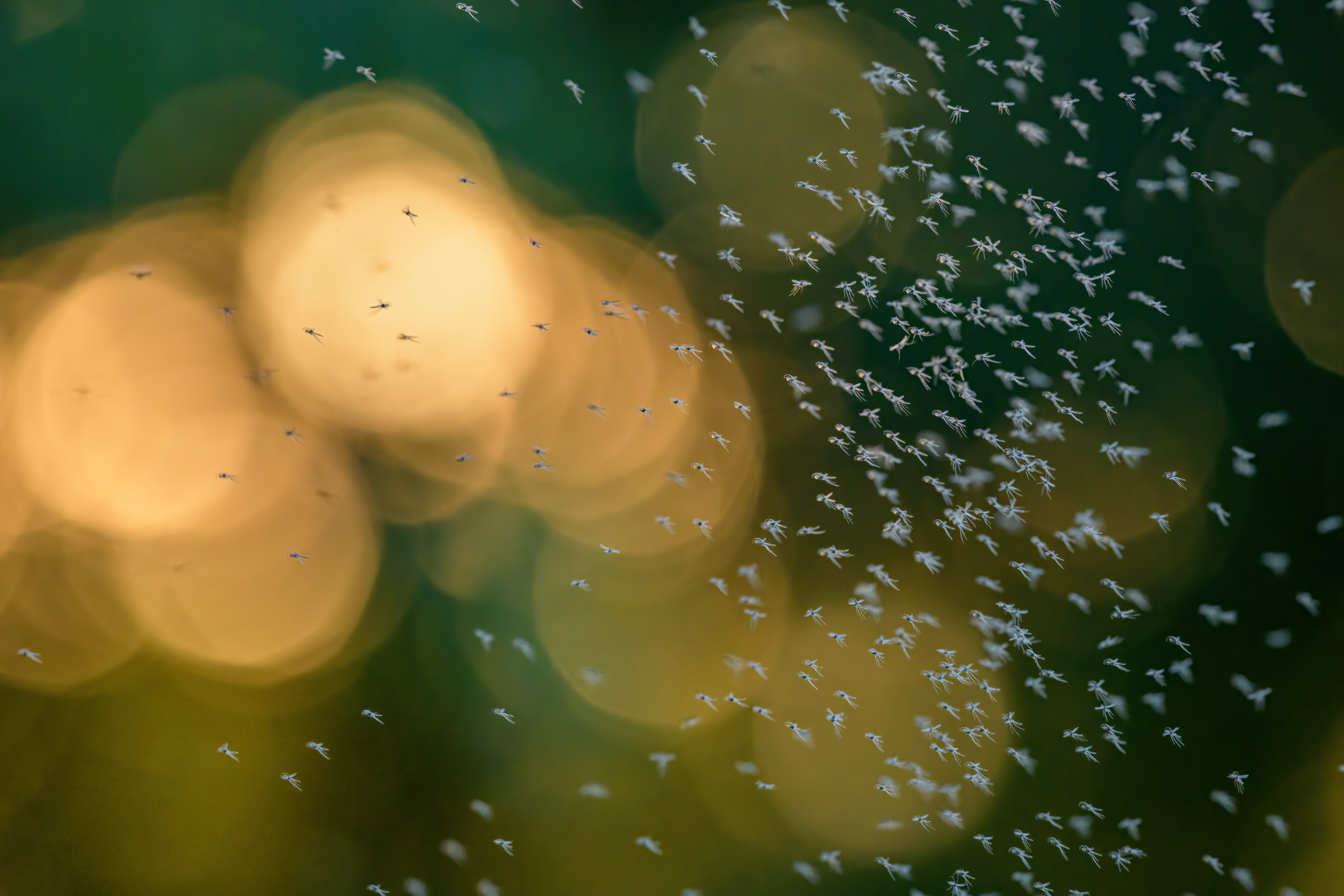
Summer brings mosquitoes, buzzing around and ruining outdoor fun.
As the weather cools, spiders and rodents seek warmth inside your home.
Knowing which pests to expect helps you prepare.
For instance, to keep ants at bay, ensure your kitchen is crumb-free.
During summer, using a mosquito net can be a lifesaver.
Winter calls for sealing gaps to block entry points for rodents and spiders.
These steps can make a big difference in keeping your living space comfortable and pest-free.
Each pest has unique habits that change with the seasons.
Ants are more active in warmer months, while rodents look for food and shelter during winter.
Mosquitoes thrive in humid conditions, making them a summer menace.
Understanding these habits can help you implement the right measures at the right time.
For example, mosquitoes are most active at dawn and dusk.
To minimize bites, stay indoors during these hours.
Rodents, on the other hand, are nocturnal, so setting traps at night increases your chances of catching them.
Simple adjustments to your routine can significantly reduce pest encounters. Learn more tips for pest control year-round.
Equipped with the knowledge of seasonal pest patterns, you can now explore natural methods to keep these critters at bay.
Let’s look at eco-friendly solutions that are both safe and effective.
Natural pest control is not only safer for your family but also kinder to the environment.
Essential oils like peppermint and lavender can repel many insects.
Planting herbs such as basil and rosemary near doorways can deter pests from entering your home.
Another simple solution is diatomaceous earth.
Sprinkling this around entry points can prevent crawling insects from getting inside.
It’s a safe and natural way to manage pests without resorting to harmful chemicals.
These strategies not only protect your home but also contribute to a healthier ecosystem.
Consistent pest control is essential for keeping your home pest-free year-round.
Regular cleaning and decluttering can eliminate hiding spots for pests.
Ensure that trash bins are tightly sealed and food is stored properly to avoid attracting unwanted visitors.
Installing screens on windows and doors can be a physical barrier to keep insects out.
Regularly inspecting and maintaining your home’s exterior can preemptively address potential pest problems.
By adopting these practices, you create a fortress that’s tough for pests to penetrate. Explore more strategies for a pest-free home.
With natural techniques in mind, it’s time to focus on prevention.
Sustainable methods are not only effective but also long-lasting.
Let’s explore these methods and how they can be part of your daily routine.
Sustainability in pest control involves using resources wisely and minimizing environmental impact.
Companion planting in your garden can keep pests away naturally.
For example, marigolds can deter nematodes and other harmful insects.
Incorporating natural predators like ladybugs can also help keep pest populations under control.
They feed on aphids and other garden pests, providing a natural solution to pest management.
These methods work with nature rather than against it, offering a harmonious approach to pest control. Check out more eco-friendly gardening tips.
Your kitchen holds a treasure trove of pest control ingredients.
Vinegar is a versatile cleaner that can deter ants and other insects.
Simply mix equal parts of water and vinegar and spray around entry points.
Baking soda, when combined with sugar, can be an effective solution for roaches.
The sugar attracts them, while the baking soda eliminates them.
These simple, cost-effective solutions can make a significant difference in managing pests at home. Discover more kitchen-based pest solutions.
By understanding and implementing these natural pest control methods, you create a safe, healthy environment for your family.
Embrace these strategies, and enjoy a pest-free home all year long.
Spring pests surge due to warmer weather seeking food and shelter. Natural, non-toxic methods like vinegar, essential oils, sealing entry points, and ...

Layered natural pest control combines prevention, sealing, trapping, and repellents using safe, non-toxic methods like essential oils, diatomaceous ea...

Year-round guide for natural, chemical-free garden pest control: use seasonal strategies, companion planting, beneficial insects, DIY sprays, traps, a...
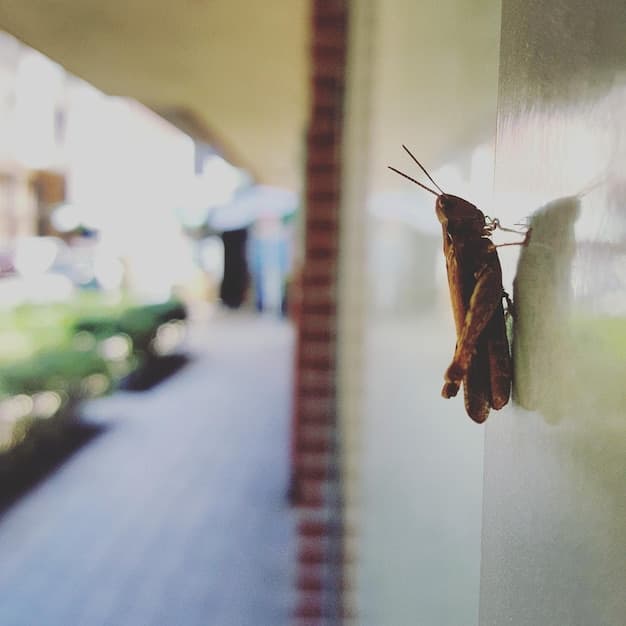
Understand pest behavior to disrupt their patterns using natural, eco-friendly methods like kitchen ingredients, essential oils, and home sealing. Saf...
