
You don’t need harsh chemicals to keep pests out of your home.
Everyday kitchen staples like vinegar, baking soda, and essential oils serve as powerful kitchen pest repellents that protect your space naturally.
With simple steps and items you already have, you can take control of pests using natural pest control methods that are safe for your family and the environment.
Let’s explore how to turn your kitchen into a first line of defense for home pest prevention. Learn more here.
When it comes to keeping pests at bay, your kitchen holds the key.
With a few simple items, you can create effective barriers against unwanted guests.
Vinegar is more than just a cooking ingredient; it’s a natural pest deterrent.
The strong scent of vinegar is unpleasant to many insects, making it a great tool for your pest control arsenal.
You can use vinegar in various ways to keep pests away:
Spray Solution: Mix equal parts of water and vinegar in a spray bottle.
Use this to wipe down countertops and other surfaces.
The smell discourages ants and other insects from entering your space.
Floor Cleaner: Add vinegar to your mop water.
This helps prevent pests from sneaking in through floors, especially if you have pets that might attract fleas.
For those interested in learning more about how vinegar can serve as a pest repellent, consider this comprehensive guide.
Baking soda is another kitchen staple that does wonders in pest control.
It’s not just for baking or keeping your fridge fresh.
Here’s how baking soda can help you tackle pests:
Ant Trap: Combine baking soda and sugar in equal parts and place it where you notice ant trails.
The sugar attracts them, while the baking soda disrupts their internal systems.
Roach Control: Mix baking soda with water and a bit of sugar.
Spread this paste in areas where you’ve seen roaches.
It’s a safe and effective way to reduce their population.
By using baking soda, you can create a simple yet powerful defense against pests without resorting to chemical solutions.
Essential oils bring both fragrance and function to your home.
Let’s see how they can be used effectively in pest prevention.
Peppermint oil is not just refreshing for humans—it’s a potent deterrent for pests.
Here’s how you can use it:
Spray Repellent: Mix 10-15 drops of peppermint oil with water in a spray bottle.
Spray around windows, doors, and any other access points.
The strong aroma keeps spiders and mice at bay.
Cotton Ball Trick: Soak cotton balls in peppermint oil and place them in cabinets or dark corners.
This is a simple tactic to prevent pests from settling in your home.
Most people think you need complex solutions for pest control, but peppermint oil shows simplicity is quite effective.
Lavender oil is known for its calming scent, but it also serves another purpose.
It acts as a natural insect repellent:
Sachet Bags: Fill small sachets with dried lavender and place them in closets or drawers.
They repel moths and keep your clothes fresh.
DIY Spray: Mix lavender oil with water and use it as a spray to deter mosquitoes.
This offers a refreshing and natural way to enjoy your outdoor spaces without bites.
Surprisingly, lavender oil not only keeps pests away but also leaves your home smelling wonderful.
For more natural pest control ideas, check out these pantry staples.
With a few DIY tips, you can enhance your home’s defenses against pests using items you already own.
Crafting your own pest control solutions is both fun and rewarding.
Here are some recipes to get you started:
Citrus Spray: Combine citrus peels and white vinegar in a jar.
Let it sit for a week, then strain and use the liquid as a spray to deter pests like ants and flies.
Herb Bundles: Bundle fresh herbs like rosemary and mint with twine.
Hang these bundles near doors or windows.
Their aroma is unappealing to insects.
These recipes offer an eco-friendly way to keep your home pest-free without relying on store-bought products.
While using natural methods is safe, it’s essential to store these solutions properly for maximum effectiveness:
Label Everything: Clearly label all DIY solutions with their ingredients and preparation date.
Child Safety: Keep all pest control items out of reach of children and pets, even if they are natural.
Proper Storage: Store items in a cool, dry place.
This ensures they remain effective for longer periods.
Understanding safe practices ensures that your eco-friendly efforts are both effective and secure.
To explore more ways to pest-proof your pantry, visit this helpful resource.
By using these natural methods, you can maintain a pest-free home in a way that is safe for your family and the environment.
Spring pests surge due to warmer weather seeking food and shelter. Natural, non-toxic methods like vinegar, essential oils, sealing entry points, and ...

Layered natural pest control combines prevention, sealing, trapping, and repellents using safe, non-toxic methods like essential oils, diatomaceous ea...
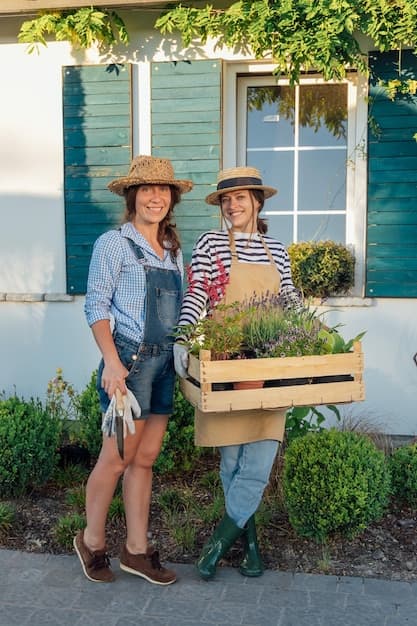
Year-round guide for natural, chemical-free garden pest control: use seasonal strategies, companion planting, beneficial insects, DIY sprays, traps, a...
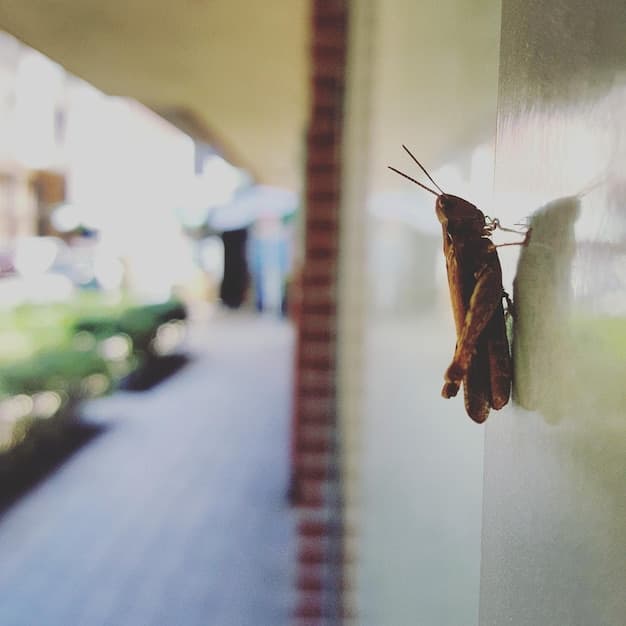
Understand pest behavior to disrupt their patterns using natural, eco-friendly methods like kitchen ingredients, essential oils, and home sealing. Saf...
