
Pests don’t just appear out of nowhere—they’re drawn in by everyday things around your home.
When you rely on natural pest control, you stop inviting them in without harsh chemicals.
You’ll learn simple, eco-friendly pest deterrents that you can start using today to keep your living spaces comfortable and pest-free.
Ready to take back your home with easy DIY pest prevention? Explore more on natural pest control methods here.

Pests can invade any home, but natural methods keep them at bay without harmful chemicals.
Let’s explore how you can achieve a pest-free environment using simple strategies.
Imagine a home where pests don’t dare to enter.
You can make this a reality by using natural methods.
Start by sealing all cracks and crevices in your home.
Pests often use these tiny openings to sneak inside.
Next, maintain cleanliness; regularly sweep and mop to remove food crumbs that might attract unwanted guests.
If you’ve got pets, ensure their food is stored in sealed containers.
This not only keeps pests away but also maintains your pet’s food quality. Did you know that peppermint oil acts as a natural deterrent?
Mix a few drops with water and spray it around your home.
You’ll enjoy a fresh scent, and pests will steer clear.
Your home can be both beautiful and pest-free. Plants like lavender and rosemary are not just decorative; they repel pests effectively.
Place pots near windows or doorways.
If you notice ants, sprinkle some cinnamon powder along their trails.
They dislike the smell, and it disrupts their scent trails. Here’s the key insight: Eco-friendly methods are not only safer but also effective.
Most people think chemical sprays are the only solution, but natural alternatives can be equally powerful.
DIY solutions can be surprisingly effective and fun to implement.
For instance, create traps using simple household items.
A jar with some vinegar can attract and trap fruit flies.
For mosquitoes, use a mixture of water and eucalyptus oil in a spray bottle.
Spray it around the house to keep them at bay. Most people are unaware that certain sounds can deter pests.
Devices emitting ultrasonic sounds can be bought online and have shown success in keeping mice and other rodents away.
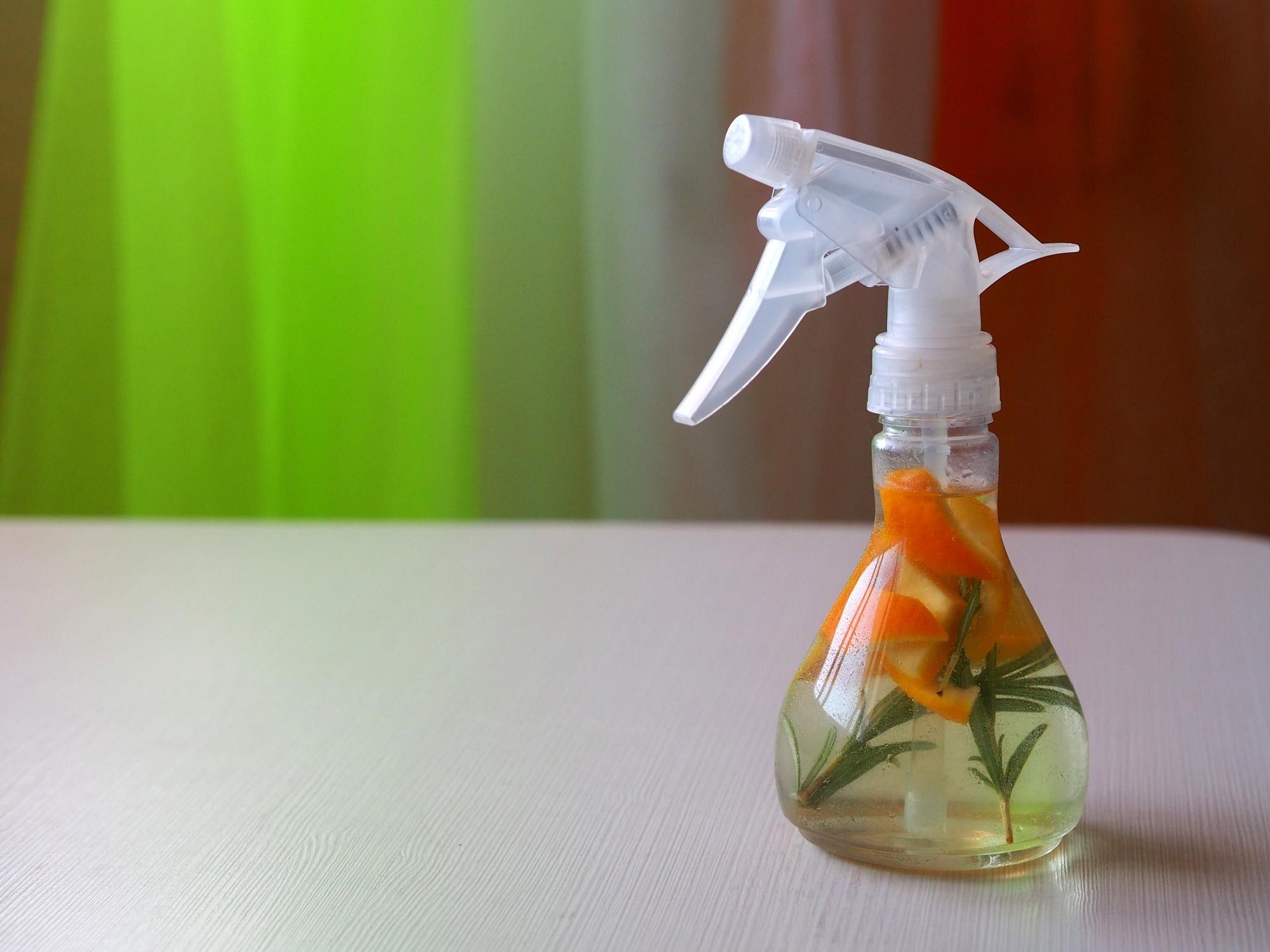
Your kitchen holds the secret to a pest-free home.
Common items you already have can double as effective pest deterrents.
Vinegar is more than just a cooking ingredient.
Its strong scent is a natural deterrent for many pests.
Mix equal parts of vinegar and water in a spray bottle and use it around your kitchen and entry points.
Not only will it clean surfaces, but it also keeps ants and other insects away. Studies show that vinegar’s acidity is unpleasant for pests, making it a formidable repellent. Don’t wait until pests become a problem; start using vinegar now to create a hostile environment for them.
Did you know that herbs can protect your home from pests?
Basil, for example, repels flies.
Place pots of basil on your windowsills or kitchen counters.
Similarly, bay leaves are excellent at deterring pantry pests.
Simply place a few leaves in your pantry, and pests will avoid it. Herbal solutions are a natural way to keep your home pest-free while also enhancing your cooking.
Don’t toss those citrus peels just yet!
They are excellent for deterring pests.
Rub peels around windowsills and door frames.
The strong scent of citrus is off-putting to many insects.
You can also dry the peels and grind them into a powder.
Sprinkle this powder in areas where you suspect pest activity.
Not only do you recycle waste, but you also protect your home without chemicals.
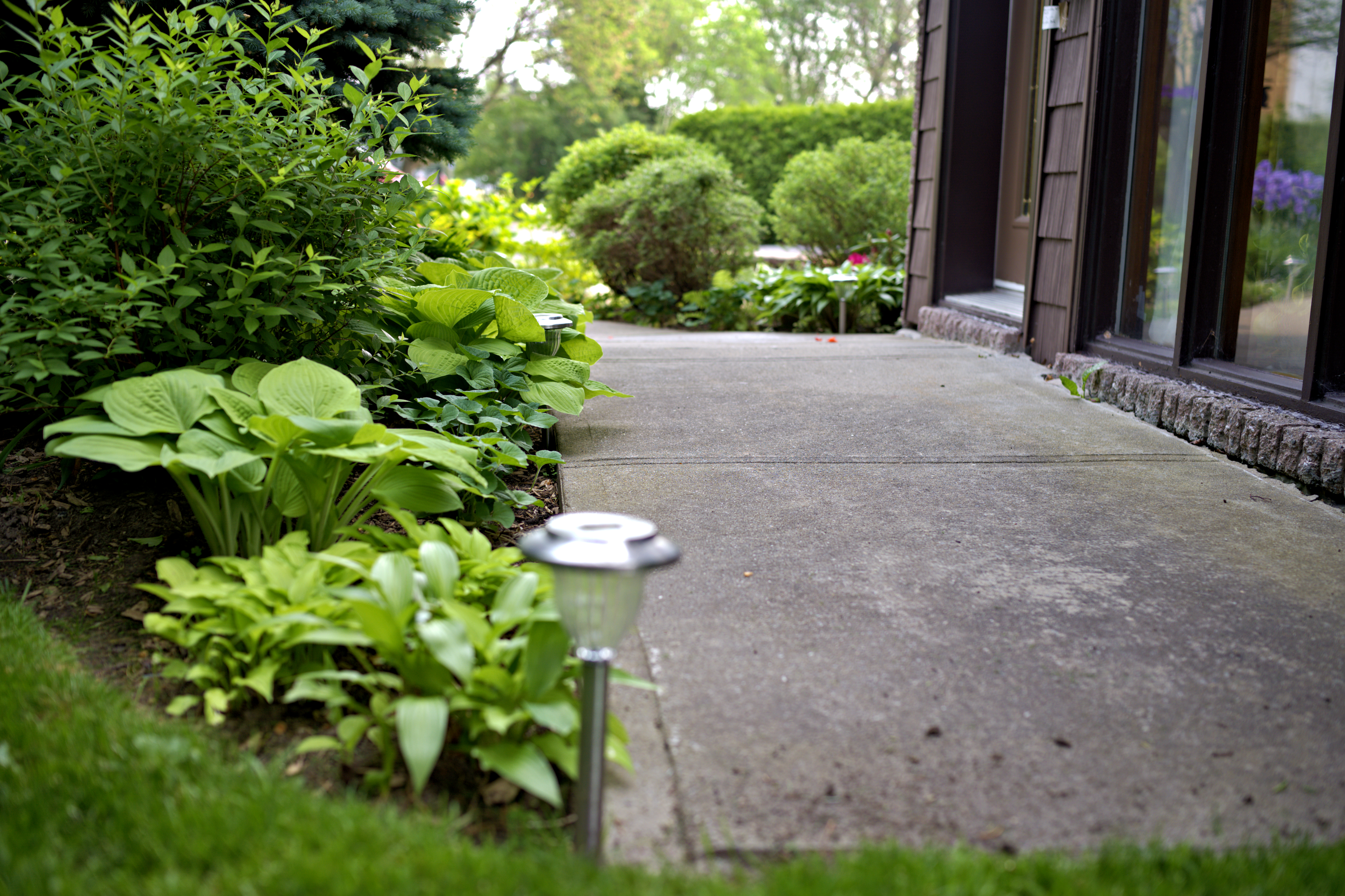
Your outdoor spaces are the first line of defense against pests.
Learn how to keep them at bay with nature-friendly methods.
Your garden doesn’t have to be a breeding ground for pests. Neem oil is a popular solution to keep insects from damaging your plants.
Mix it with water and spray on plants weekly.
Another great option is introducing beneficial insects like ladybugs.
They feast on common garden pests.
Most people don’t realize that encouraging these natural predators can save their gardens.
A well-maintained yard not only looks good but also wards off pests.
Keep your grass trimmed and remove debris where insects might hide.
Use mulch to control weeds, but ensure it doesn’t pile up against your home’s foundation. Did you know that certain types of mulch, like cedar, repel termites?
Such small changes can have a big impact on keeping pests away.
Creating natural barriers can prevent pests from even approaching your home. Planting marigolds around your garden is a great way to deter insects.
Their scent is unpleasant to many pests.
Similarly, placing a line of crushed eggshells around plants can deter slugs and snails.
These barriers not only protect your plants but also promote a more vibrant garden space.
By incorporating these strategies, you can enjoy a home that’s both pest-free and eco-friendly.
Remember, the longer you wait, the more pests make themselves at home.
Start today and reclaim your space naturally.
For more insights on natural pest control, check out this comprehensive guide and stay informed.
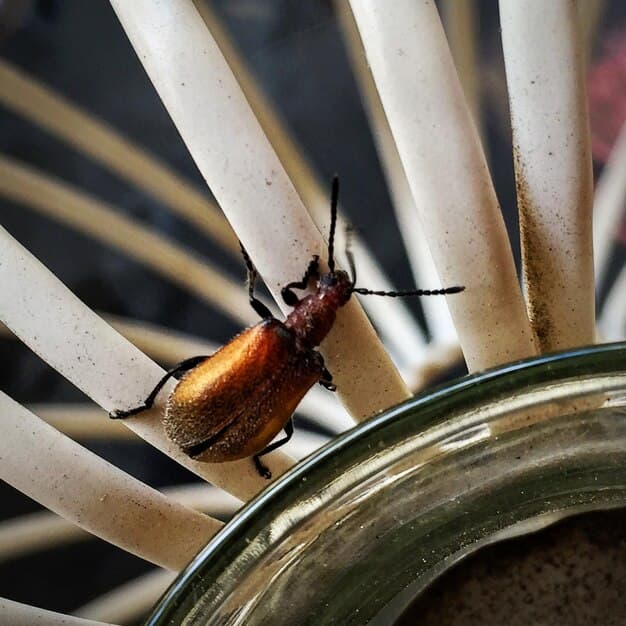
Spring pests surge due to warmer weather seeking food and shelter. Natural, non-toxic methods like vinegar, essential oils, sealing entry points, and ...

Layered natural pest control combines prevention, sealing, trapping, and repellents using safe, non-toxic methods like essential oils, diatomaceous ea...

Year-round guide for natural, chemical-free garden pest control: use seasonal strategies, companion planting, beneficial insects, DIY sprays, traps, a...
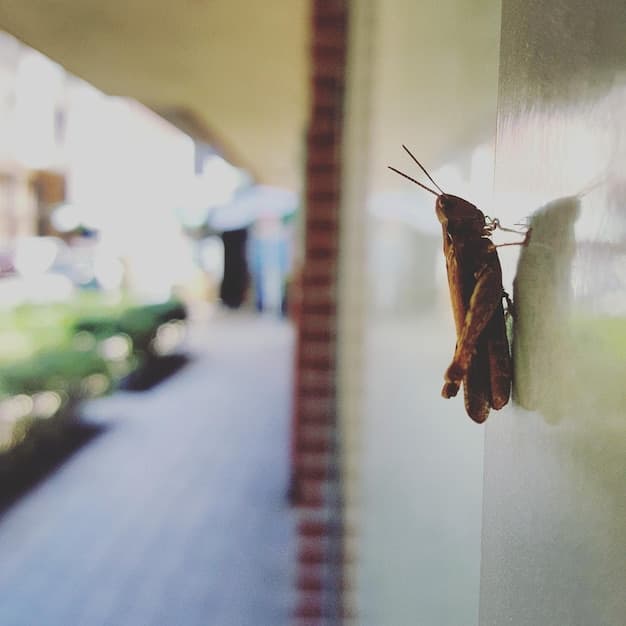
Understand pest behavior to disrupt their patterns using natural, eco-friendly methods like kitchen ingredients, essential oils, and home sealing. Saf...
