
Ants and insects invading your kitchen can feel impossible to stop.
Many reach for harsh chemicals without realizing the power sitting right on their shelves.
Using common kitchen ingredients for pest control offers a natural ant repellent that works without risks to your family or pets.
In this guide, you’ll find simple recipes and tips to keep your home pest-free with safe, affordable ingredients you already have.
Try one recipe today and tell us your results in the comments.
For more tips, check out this guide on making natural ant killers.

Welcome to the world of natural ant repellents.
These recipes will show you how to keep ants away without using harmful chemicals.
Vinegar is a simple and powerful tool.
It disrupts the scent trails ants follow.
Mix equal parts of water and vinegar in a spray bottle.
Spray directly on ant trails or entry points.
Use this solution on countertops and floors.
It’s safe and leaves no toxic residue.
Plus, it’s cheap and always on hand.
Ants hate the smell, so they won’t return. Learn more about its effectiveness here.
Cinnamon is more than a spice; it’s an ant deterrent.
Ants dislike the strong scent, and it messes with their communication.
Sprinkle cinnamon powder along doorways and windowsills.
You can also use cinnamon essential oil.
Mix a few drops with water, then spray around the house.
It’s a fragrant way to keep ants at bay.
Your home will smell great, and ants will steer clear.
Craft a homemade spray that bothers ants but not your family.
Mix 1 cup of water with 10 drops of tea tree oil and peppermint oil.
Add a tablespoon of dish soap for extra power.
Shake well before each use.
Spray areas where ants are seen.
It’s non-toxic and effective.
This spray is perfect for indoor and outdoor use.
Keep ants out without harsh chemicals.
Your kitchen holds more than just food.
It contains ingredients that can repel pests effectively.
Let’s explore how.
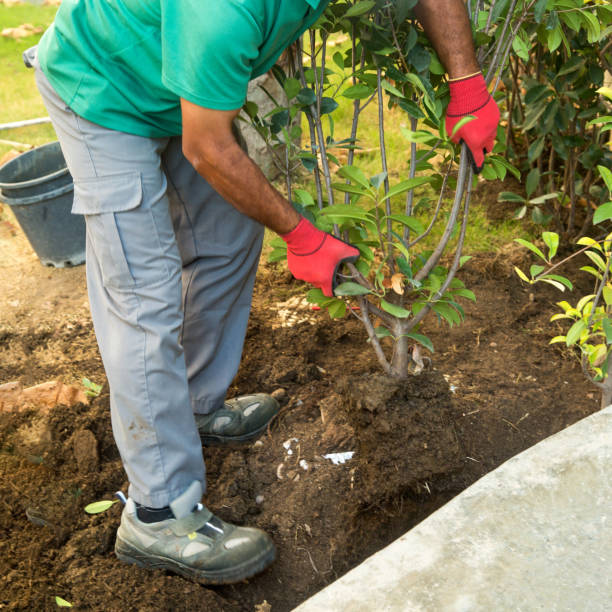
Don’t toss those used coffee grounds.
They can repel insects.
Spread them around garden beds to deter ants and slugs.
Coffee grounds are rich in nitrogen, which pests dislike.
Plus, they enrich the soil.
It’s a win-win.
This method is eco-friendly and cost-effective. Join the conversation on how coffee grounds help in pest control.
Lemon peels are not just waste; they’re natural insect repellents.
Place dried peels in cupboards and near windows.
The citrus smell is pleasant to us but repels insects.
You can also use lemon juice.
Mix it with water and spray trouble spots.
It’s simple and keeps bugs away.
Use this method to enjoy a fresh-smelling, pest-free home.
Baking soda is versatile.
It can help manage roaches.
Mix equal parts of baking soda and sugar.
Place this mixture in areas frequented by roaches.
The sugar attracts them, while baking soda eliminates them.
It’s a safe option for homes with pets and kids.
Try it out for a chemical-free approach to pest control.

Pet owners need pest solutions that are safe for their furry friends.
Let’s explore pet-friendly pest control options.
Spiders steer clear of peppermint.
Mix 10 drops of peppermint oil with 1 cup of water.
Spray this around windows and corners.
This keeps spiders out and leaves a refreshing scent.
It’s a simple way to avoid spider webs.
Plus, your home smells minty fresh.
This method is safe for pets and easy to apply.
Garlic isn’t just for cooking.
It’s a potent bug repellent.
Crush a few cloves and mix with water.
Let it sit overnight, then strain and spray around your home.
Insects dislike the strong smell.
It’s a natural way to keep them away.
Garlic spray is non-toxic and easy to make.
Use it regularly for best results. Watch this video tutorial for more insights.
Bay leaves are a classic pantry protector.
Place whole leaves in flour and rice containers.
Their aroma keeps pests like weevils away.
It’s a simple trick to keep your pantry pest-free.
Bay leaves are safe and non-toxic.
Replace them every few months for continuous protection.
This small step can save your pantry from infestation.
Try one recipe today and tell us your results in the comments!

Use household items like vinegar, citrus peels, baking soda, coffee grounds, peppermint oil, and dish soap for safe, eco-friendly pest control. Combin...
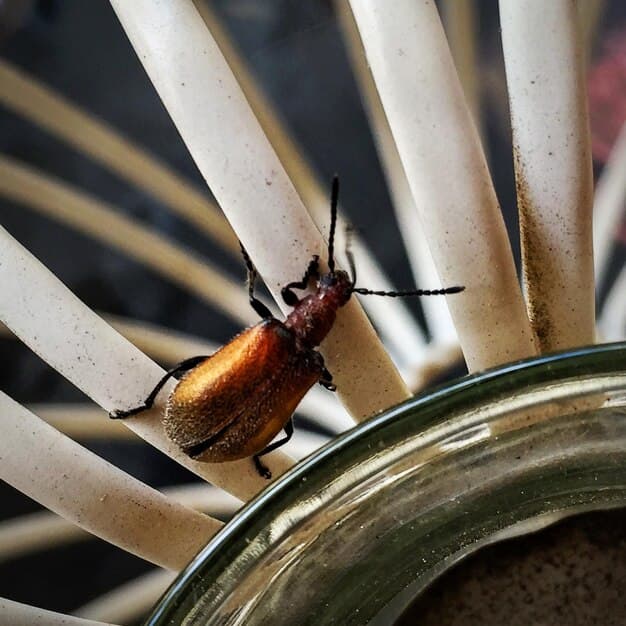
This guide offers natural, eco-friendly pest control methods—early monitoring, healthy soil, companion planting, beneficial insects, and homemade spra...
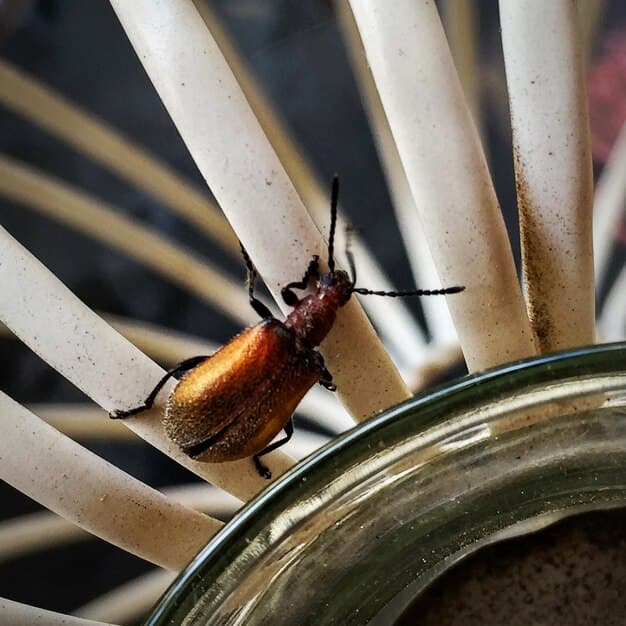
Affordable, pantry-safe pest control includes cleaning surfaces, sealing entry points, using airtight containers, and natural DIY remedies like vinega...

This guide offers affordable, natural, renter- and pet-safe pest control tips using household items like vinegar, lemon, and diatomaceous earth, empha...
