
Unwanted pests creeping into your reptile habitat can cause stress and health risks for your pet.
Many reptile owners struggle to find natural pest control methods that keep these intruders away without harsh chemicals.
This guide offers safe pest solutions using eco-friendly pest methods that protect your reptile while keeping their environment clean.
Explore our step-by-step guides for more tips and tricks on keeping your reptile habitat safe and pest-free!
For more information, visit this helpful resource.
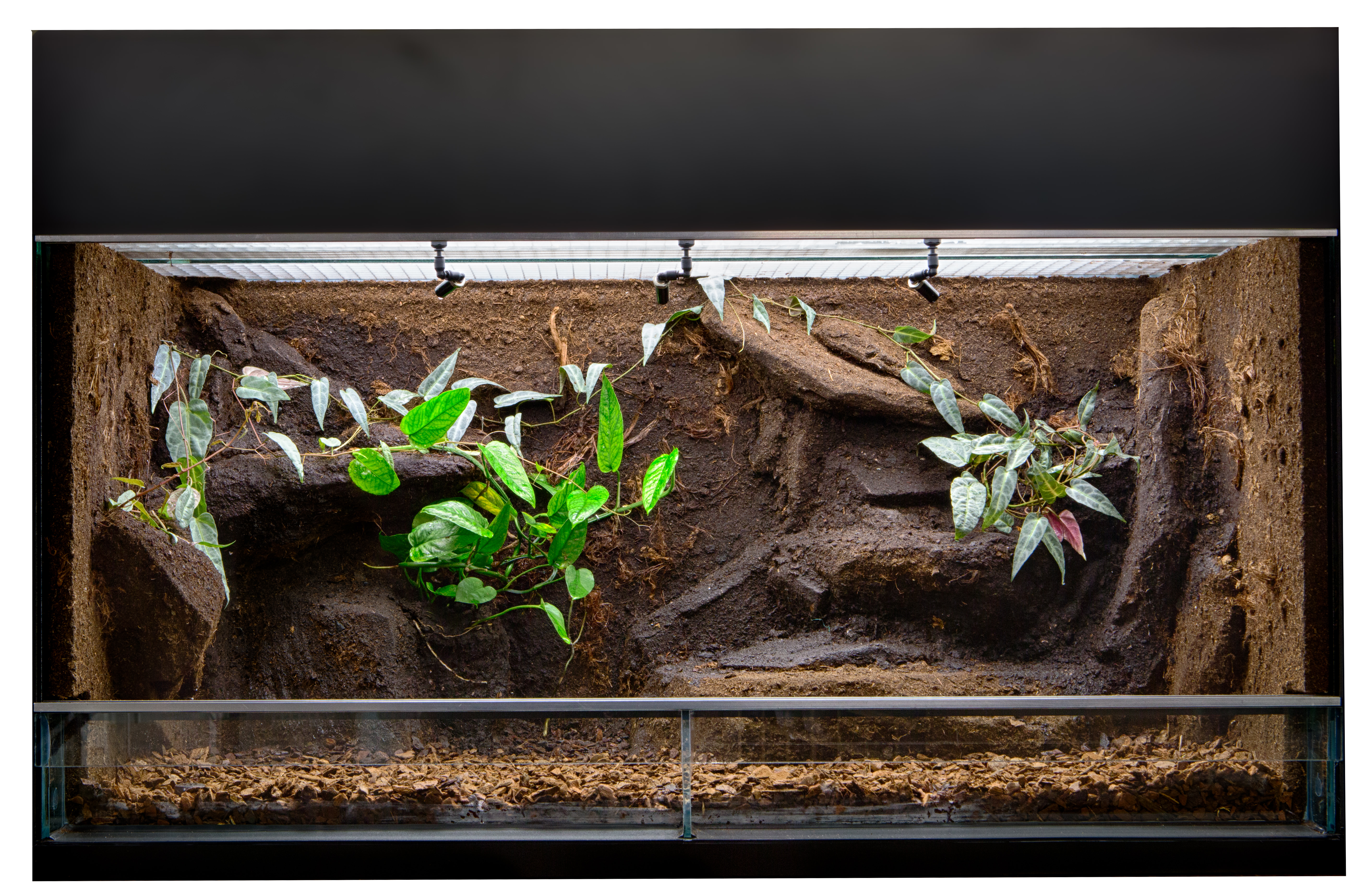
Understanding the basics of natural pest control is the first step in protecting your reptile’s habitat.
This section will help you identify common pests and find safe solutions tailored for reptiles.
Knowing what pests you’re dealing with can make a world of difference.
Common invaders in reptile habitats include mites, ants, and flies.
Mites can cause irritation and stress to your reptiles, while ants might be attracted to leftover food.
Flies are often seen buzzing around, indicating possible cleanliness issues.
A thorough inspection of your habitat can help pinpoint these pests.
Check under rocks, in substrate layers, and around food bowls.
It’s crucial to act quickly once you’ve identified these unwanted guests.
The key to safe pest control is using methods that won’t harm your pets.
Start by cleaning the habitat regularly.
Use warm water and a mild soap to scrub surfaces.
Vinegar is a fantastic natural cleaner that deters pests without leaving harmful residues.
Adding sticky traps outside of the enclosure is another non-invasive way to catch crawling pests.
For mites, consider using natural oils like neem, which can be lightly sprayed on your reptile after consulting with a vet.
These methods ensure a safe environment without the risk of chemical exposure.
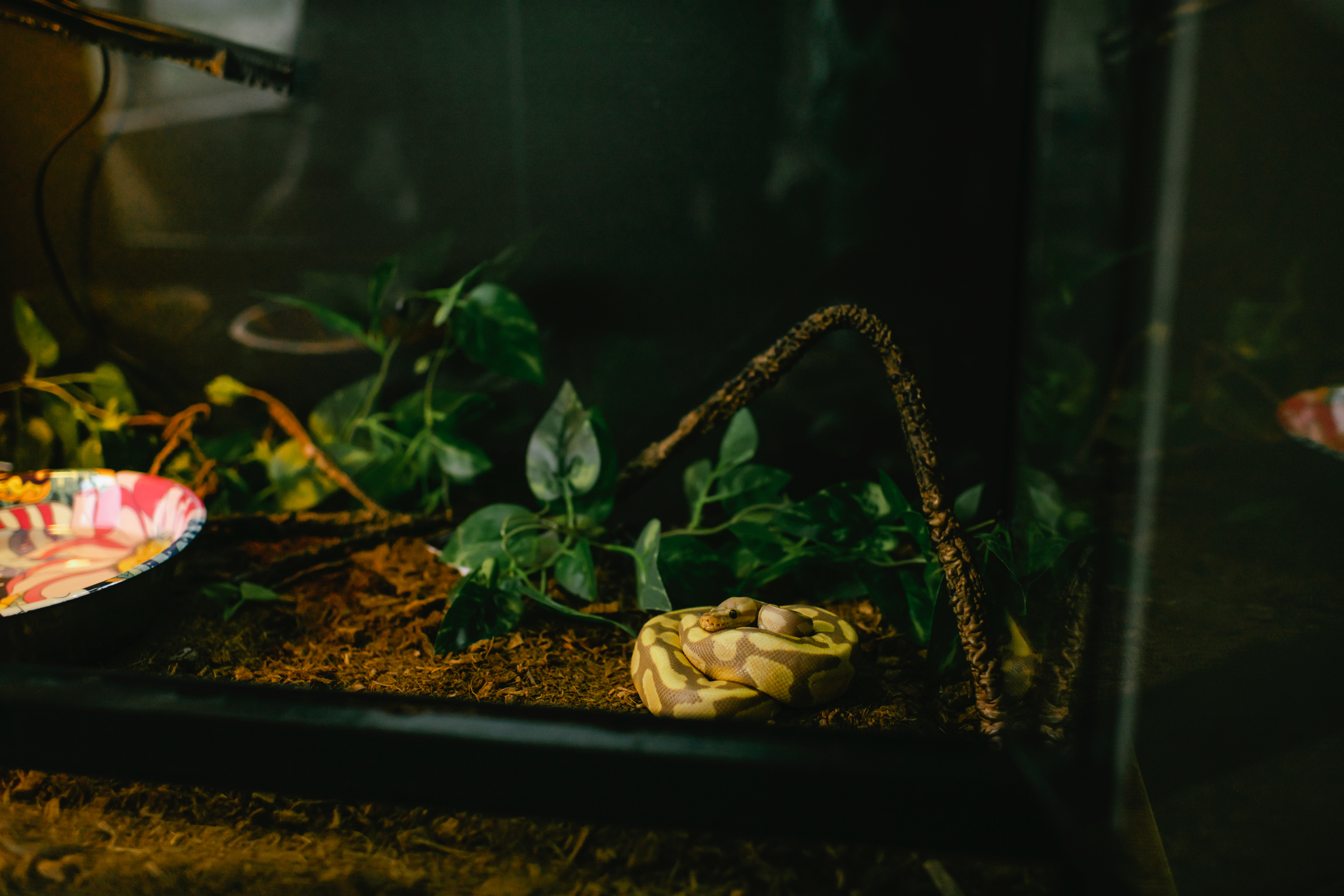
Eco-friendly pest control methods can be surprisingly simple and effective.
With household ingredients, you can create a pest-free environment for your reptile.
Your kitchen might already have the ingredients needed to tackle pests.
For instance, a mixture of water and vinegar can repel ants and flies.
Simply spray the solution on surfaces outside the habitat.
To deter mites, mix a few drops of essential oils like eucalyptus or tea tree with water.
Lightly mist the habitat, avoiding direct contact with your reptile.
These natural solutions are both safe and cost-effective.
Plus, they help maintain a clean environment, reducing the chances of pest infestation.
Maintaining a pest-free habitat involves more than just treating pests—it’s about prevention.
Start by regularly cleaning your reptile’s surroundings.
Remove uneaten food promptly, as it attracts pests.
Consider using a bioactive setup with natural predators like springtails, which consume waste and leftovers.
Proper ventilation is crucial to avoid dampness, a breeding ground for pests.
Keep the humidity at optimal levels for your specific reptile species.
For more detailed tips on managing pests within reptile enclosures, check out this guide.
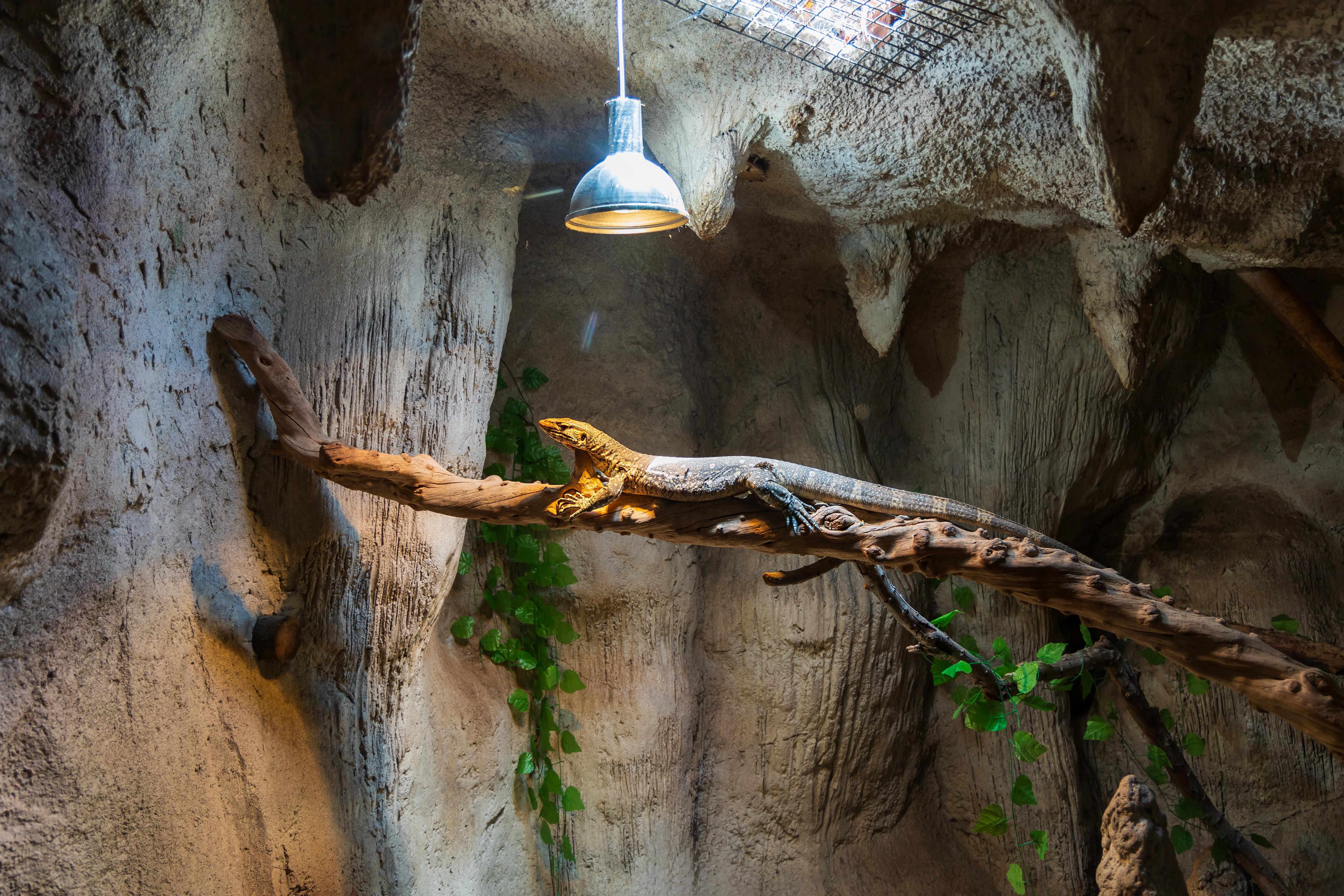
Preventing pests is an ongoing process requiring regular care and attention.
These tips will help you maintain a clean and healthy environment for your scaly friend.
Routine maintenance is essential in keeping pests at bay.
Start by setting a cleaning schedule, aiming for weekly checks and monthly deep cleans.
Use a checklist to ensure nothing is overlooked—check substrate, water dishes, and decor for signs of pests.
Replace water daily and clean food dishes frequently.
By keeping the habitat tidy, you drastically reduce the chances of attracting pests.
Remember, a clean home is a pest-free home.
Mother Nature has given us some helpful allies against pests.
Introducing natural predators into your habitat can aid in pest control.
For example, certain types of small lizards or frogs can control insect populations.
However, it’s crucial to ensure these additions are compatible with your existing reptile.
Research their care needs and potential impact on your ecosystem.
This method not only supports a natural balance but also enriches your reptile’s environment, providing stimulation and reducing stress.
For more insights on enriching your reptile’s habitat, visit this educational article.
By following these steps, you’re taking a proactive approach to maintain a healthy, pest-free environment for your reptile.
Remember, the longer you wait to address pest issues, the harder they can become to manage.
Stay vigilant, keep learning, and give your pet the safe home it deserves.
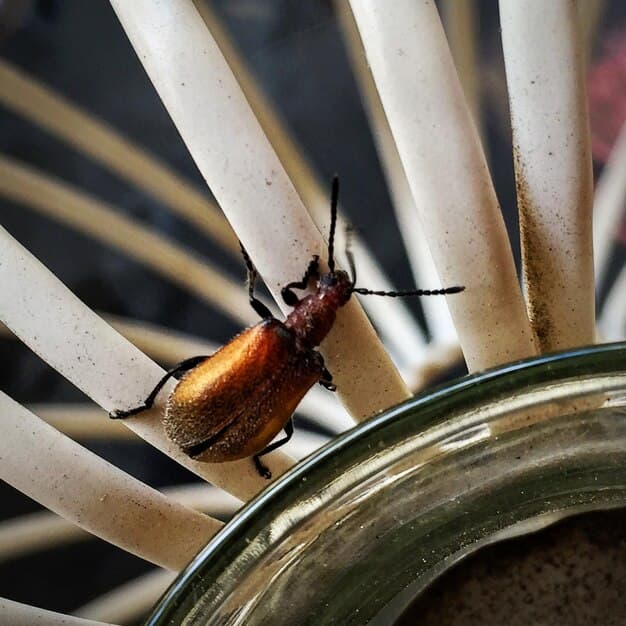
Spring pests surge due to warmer weather seeking food and shelter. Natural, non-toxic methods like vinegar, essential oils, sealing entry points, and ...

Layered natural pest control combines prevention, sealing, trapping, and repellents using safe, non-toxic methods like essential oils, diatomaceous ea...

Year-round guide for natural, chemical-free garden pest control: use seasonal strategies, companion planting, beneficial insects, DIY sprays, traps, a...
Understand pest behavior to disrupt their patterns using natural, eco-friendly methods like kitchen ingredients, essential oils, and home sealing. Saf...
