
Keeping your reptile’s home free from pests is tougher than it looks.
Pests can sneak in and cause stress for both you and your pet if you rely on harsh chemicals.
That’s why natural pest control matters—it protects your reptile and the environment.
In this guide, you’ll find easy, eco-friendly pest solutions to create safe reptile environments using simple DIY pest prevention steps.
For more insights on maintaining a healthy habitat, check out this resource.
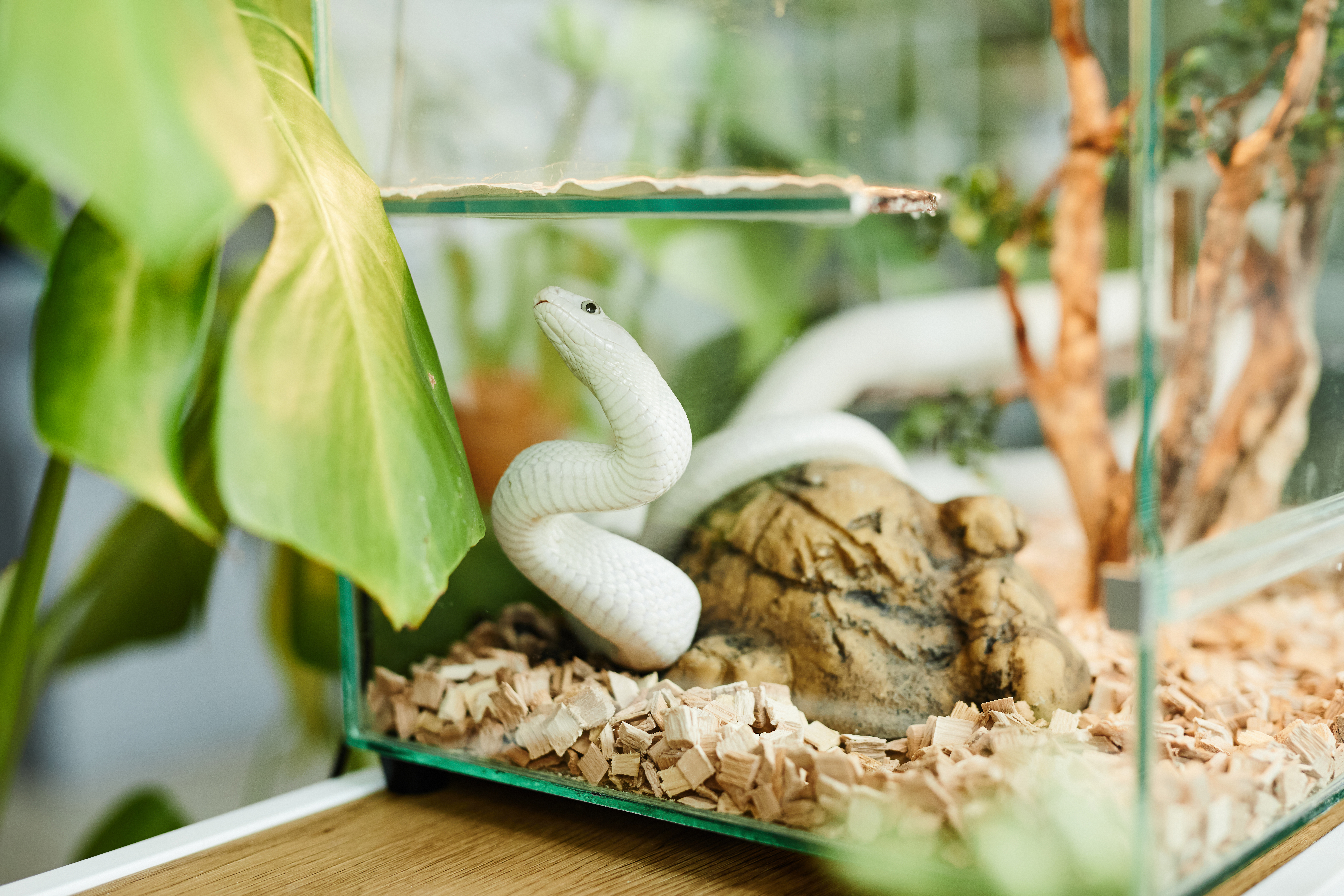
Keeping pests out of your reptile’s habitat is essential for their health.
Let’s explore friendly ways to tackle this issue, starting with natural barriers.
You might be amazed at how simple solutions can make a big difference.
Natural barriers work wonders in keeping unwanted guests away.
For instance, using mesh screens around the habitat prevents insects from sneaking in.
It’s a straightforward fix that keeps pests at bay.
Consider plants that repel pests naturally.
Mint and lavender are great options.
Place them near the habitat, and you’ll notice fewer bugs.
These plants act as a natural shield, protecting your pet from harmful intruders.
For more plant ideas, visit this reptile care guide.
Another effective method is using natural oils like neem.
A few drops around the habitat can deter pests without using harsh chemicals.
It’s safe and gentle for your reptile.
Why spend a fortune when you can whip up repellents with items you already have?
Vinegar is a fantastic option.
A simple spray of vinegar and water can keep ants and flies away.
It’s budget-friendly and effective.
Essential oils like peppermint and eucalyptus work wonders too.
Just mix a few drops with water and spray around the habitat.
These oils are safe for reptiles but unpleasant for pests.
If you’re dealing with a larger pest problem, consider using diatomaceous earth.
Sprinkle it lightly around the habitat to deter crawlers.
It’s an easy, natural way to maintain a pest-free space.
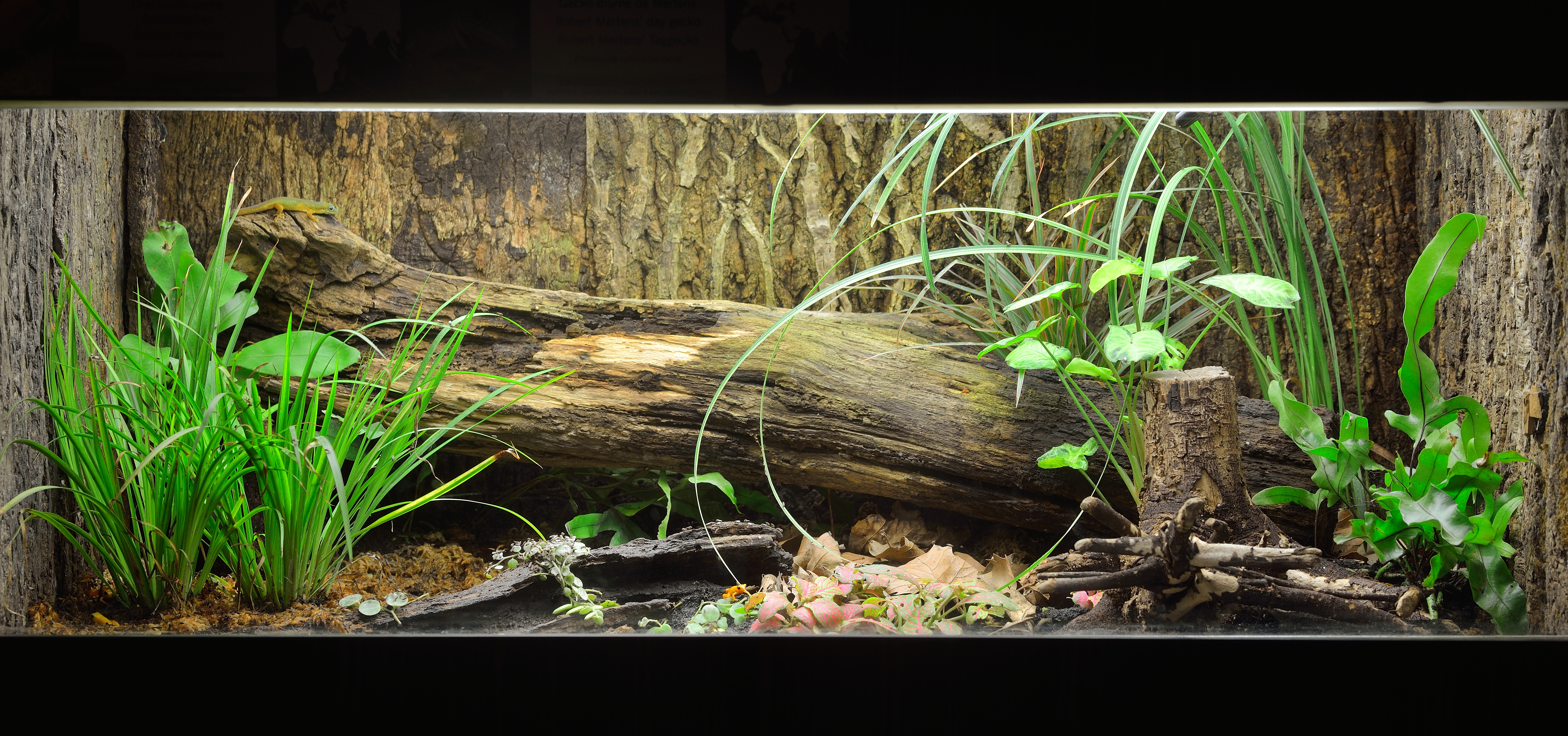
Now that we’ve tackled barriers and repellents, let’s focus on maintaining a clean and safe habitat.
Regular upkeep is key.
Consistency is your best friend when it comes to cleaning.
Start with a weekly schedule.
Remove waste and uneaten food promptly to avoid attracting pests.
This simple step can drastically reduce pest problems.
Don’t forget about the deeper cleanings.
Monthly, take the time to clean and disinfect the entire habitat.
Use mild soap and water to ensure no harmful residues remain.
A clean environment is a safe environment for your reptile.
Keeping substrate fresh is equally important.
Change it regularly to prevent mold and pest infestations.
Fresh substrate keeps your pet happy and healthy.
For detailed cleaning tips, see this habitat management guide.
Humidity can attract pests if not managed properly.
Use a hygrometer to keep track of levels, ensuring they stay within the ideal range for your reptile species.
Too much moisture can lead to mold and unwanted critters.
Adjust humidity by adding or removing water sources.
For instance, if it’s too humid, reduce water bowls or improve ventilation.
On the flip side, if it’s too dry, mist the habitat lightly.
Balancing humidity is crucial for a pest-free environment.
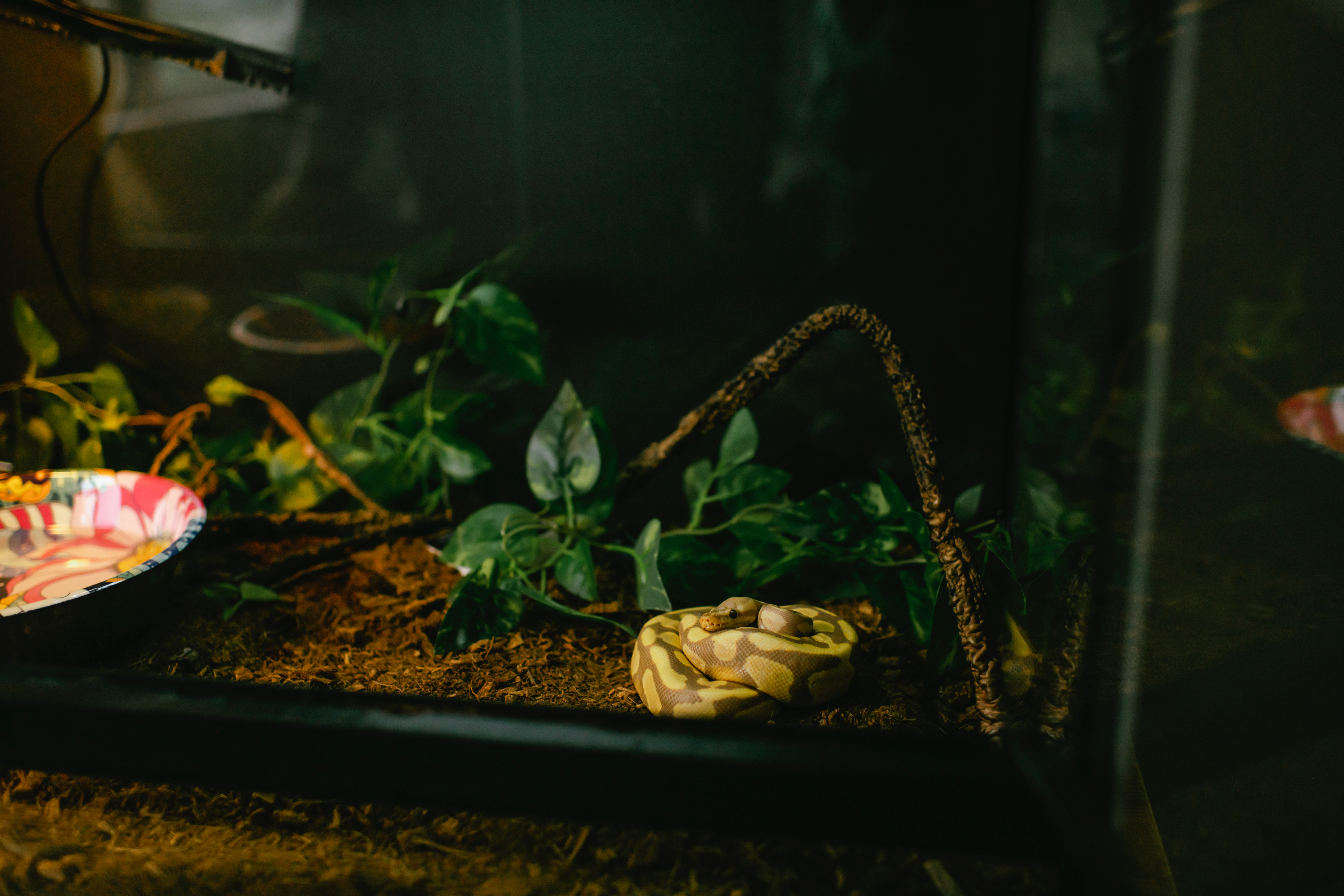
Sustainability benefits both your pet and the planet.
Let’s look at how you can engage in eco-friendly practices to enhance your reptile’s home.
Composting is an excellent way to reduce waste.
Use reptile waste and old substrate in your compost bin.
It’s a simple step that contributes to a healthier planet.
Reducing waste doesn’t stop there.
Choose reusable items for your reptile’s habitat, like washable bedding and food dishes.
Small changes lead to big impacts over time.
Not all bugs are bad!
Some can help keep your habitat in balance.
Ladybugs, for example, can help control pest populations.
Introducing beneficial insects is a natural way to manage pest issues.
Create a welcoming environment for these helpful bugs by planting native plants nearby.
These plants provide shelter and food for beneficial insects.
It’s a win-win for your reptile and your garden.
Incorporating these sustainable practices will not only keep your reptile’s habitat pest-free but also support a healthier ecosystem.
For more information on creating a habitat for your reptile, see this care guide.
By following these methods, you can ensure your reptile enjoys a safe, pest-free home.
Remember, the longer you wait to implement these strategies, the more challenging it can become to manage pest issues.
Take action today, and enjoy the peace of mind that comes with a healthy, natural environment for your beloved pet.
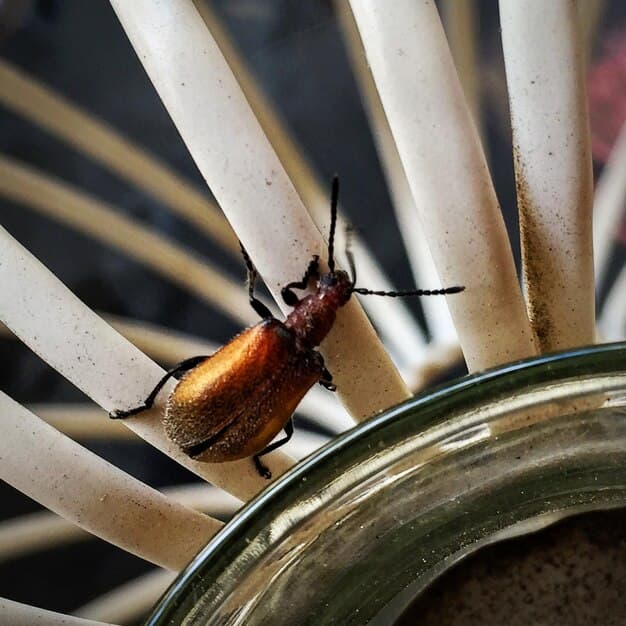
Spring pests surge due to warmer weather seeking food and shelter. Natural, non-toxic methods like vinegar, essential oils, sealing entry points, and ...

Layered natural pest control combines prevention, sealing, trapping, and repellents using safe, non-toxic methods like essential oils, diatomaceous ea...

Year-round guide for natural, chemical-free garden pest control: use seasonal strategies, companion planting, beneficial insects, DIY sprays, traps, a...
Understand pest behavior to disrupt their patterns using natural, eco-friendly methods like kitchen ingredients, essential oils, and home sealing. Saf...
