
Traditional pesticides cause more harm to your garden and the environment than most people realize.
If you’re tired of risking your family’s health and killing beneficial insects, it’s time to rethink pest control.
You’ll find simple, eco-friendly pest control methods that protect your home and nature without harsh chemicals.
Let’s explore how natural pesticides and DIY pest solutions can keep your garden thriving safely.
Learn more about the environmental and health impacts of pesticides.

Traditional pest control methods might seem effective, but they come with hidden costs.
Let’s start by exploring how these methods affect our world.
You might be surprised to learn how much damage traditional pesticides can do.
They don’t just target pests—they can also harm plants, animals, and even humans.
Studies show that 98% of sprayed insecticides and 95% of herbicides reach a destination other than their target, entering the air, water, and soil.
This means pesticides can linger in our environment long after they’ve been used.
They can contaminate water supplies and affect the health of those who come into contact with them.
You can read more about these effects in this scientific study.
The impact on local ecosystems is just as concerning.
Pesticides can upset the balance, eliminating not just pests but also beneficial insects and plants.
For instance, bees, which are crucial for pollination, can be severely affected by pesticide exposure.
This disruption can lead to a decrease in biodiversity, affecting everything from plant growth to food production.
When we lose these vital species, our entire ecosystem suffers.
Learn more about the broader ecological impacts through this detailed analysis.

Switching to eco-friendly pest control methods can protect your garden and the planet.
Let’s explore some natural solutions you can start using today.
You don’t need to look far for effective pest control solutions.
In fact, some of the best options might already be in your kitchen.
For example, garlic and chili peppers are fantastic natural repellents.
A simple mixture of these ingredients can deter many common pests.
Not only are these ingredients safe, but they’re also cost-effective, saving you money on expensive chemical solutions.
Using natural pesticides can also ensure that you aren’t introducing harmful substances into your home environment, keeping your family safe.
Taking care of your garden doesn’t have to involve harsh chemicals.
Consider using traps and barriers to keep pests at bay.
For instance, copper tape can be a great deterrent for snails and slugs.
If you’re dealing with insects, introducing beneficial bugs like ladybugs can help keep harmful pests in check.
These methods are not only safe but also promote a healthy garden ecosystem, allowing your plants and beneficial insects to thrive.
For detailed insights, check this agricultural study.
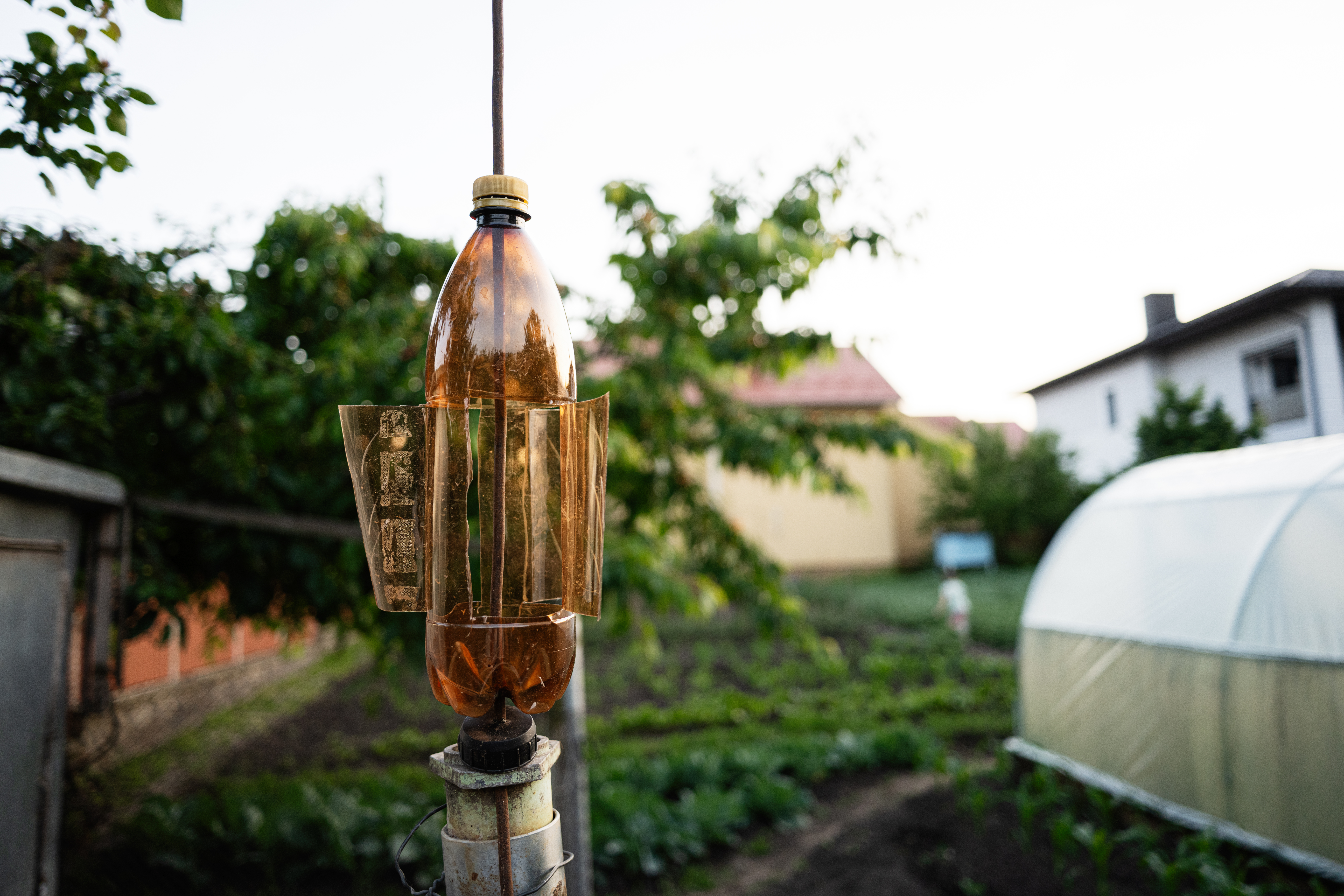
Creating your own pest solutions can be a rewarding and effective way to manage pests without chemicals.
Here’s how you can start today.
Let’s dive into some simple DIY pest solutions.
First, try making a natural spray using equal parts vinegar and water.
This solution works wonders for repelling ants and fruit flies.
Here’s a quick guide to getting started:
Mix Ingredients: Combine one cup of vinegar with one cup of water.
Add Essential Oils: Add a few drops of peppermint essential oil for added effectiveness.
Spray Areas: Apply to areas where pests are commonly found.
These steps are easy to follow and use ingredients you likely already have at home.
Embracing eco-friendly practices is about more than just pest control—it’s a lifestyle change.
By opting for natural methods, you’re contributing to a healthier planet.
Most people assume they need harsh chemicals to combat pests, but you now know there are safer alternatives.
The more you engage with these practices, the more you’ll see your garden—and the environment—thrive.
For further reading on sustainable practices, consider this insightful paper.
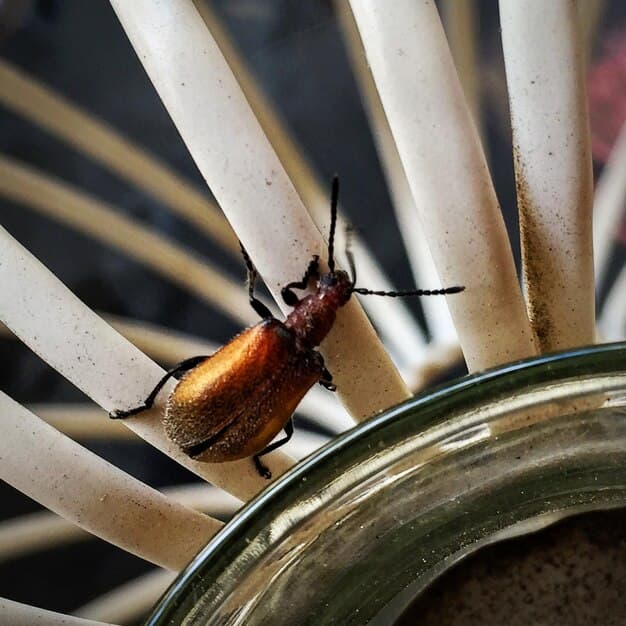
Spring pests surge due to warmer weather seeking food and shelter. Natural, non-toxic methods like vinegar, essential oils, sealing entry points, and ...

Layered natural pest control combines prevention, sealing, trapping, and repellents using safe, non-toxic methods like essential oils, diatomaceous ea...
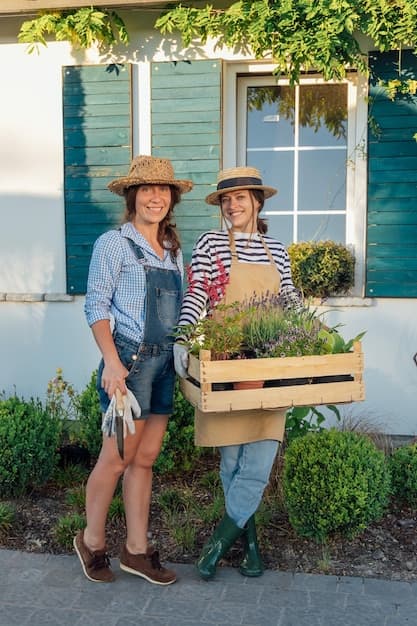
Year-round guide for natural, chemical-free garden pest control: use seasonal strategies, companion planting, beneficial insects, DIY sprays, traps, a...
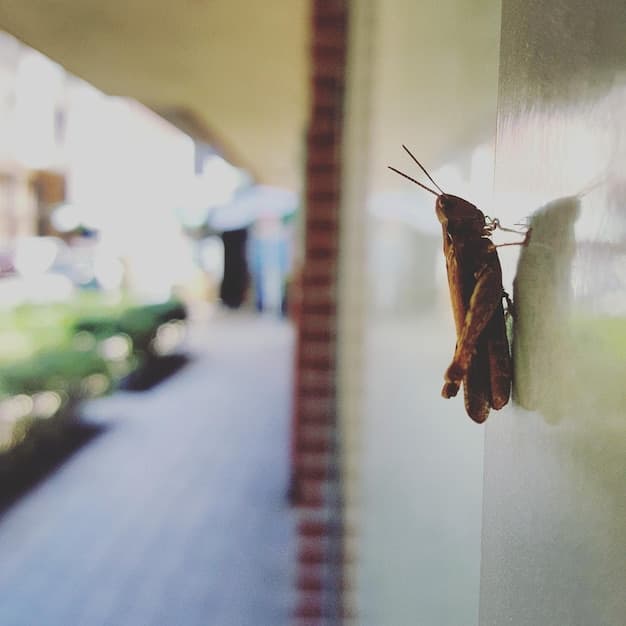
Understand pest behavior to disrupt their patterns using natural, eco-friendly methods like kitchen ingredients, essential oils, and home sealing. Saf...
