
Keeping your reptile’s home free from pests feels like a never-ending battle.
Tiny invaders can harm your pet and disrupt their habitat without warning.
With smart reptile pest control using natural pest management, you can protect your reptiles safely and keep their space clean.
Let’s explore easy, eco-friendly ways to create a pest-free reptile habitat that keeps your pets happy and healthy.
For more tips on reptile care, check out this guide.
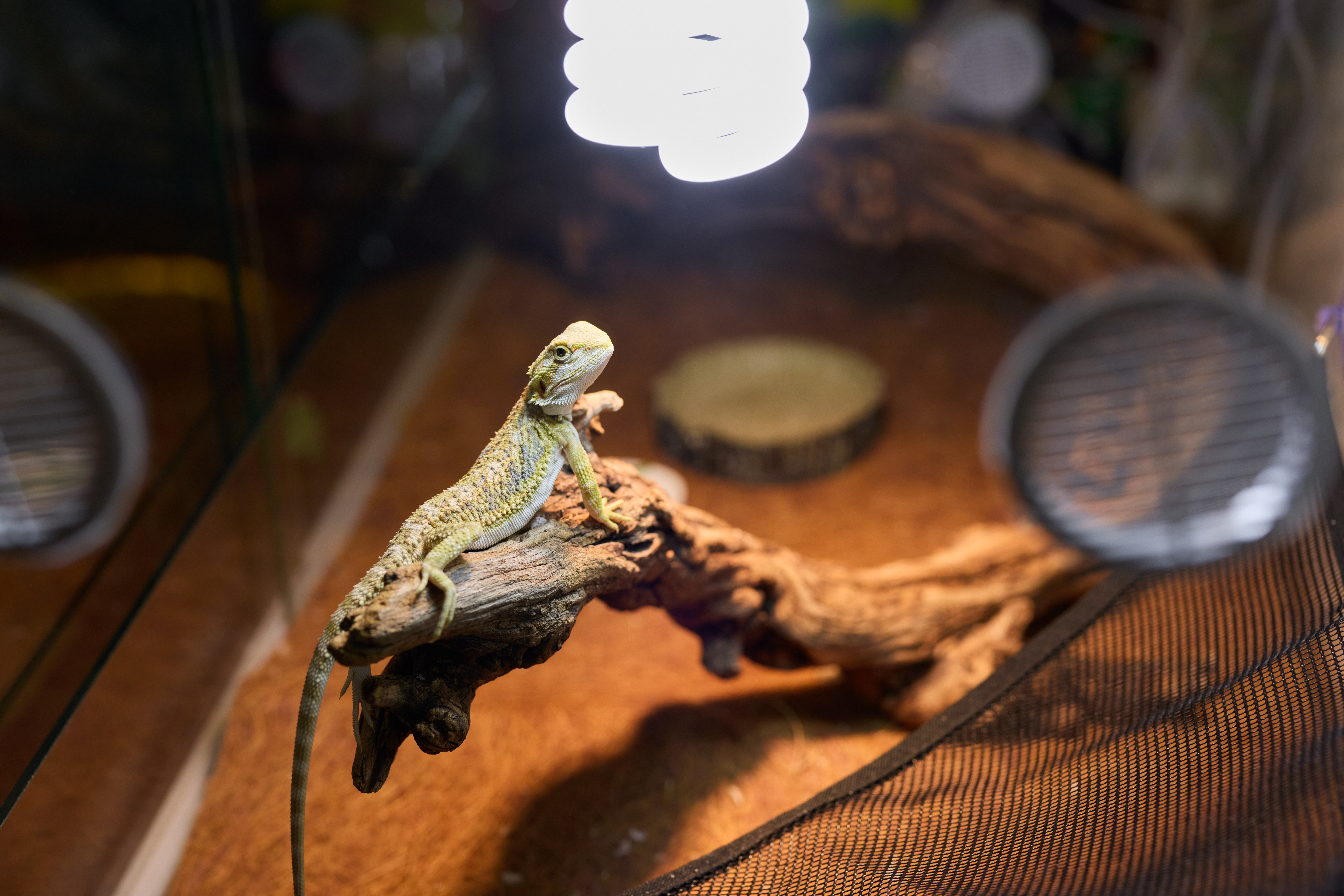
Understanding the fundamental needs of your reptile’s habitat is crucial for maintaining a safe and healthy environment.
Let’s dive into the essentials that ensure your reptile feels at home while keeping pests at bay.
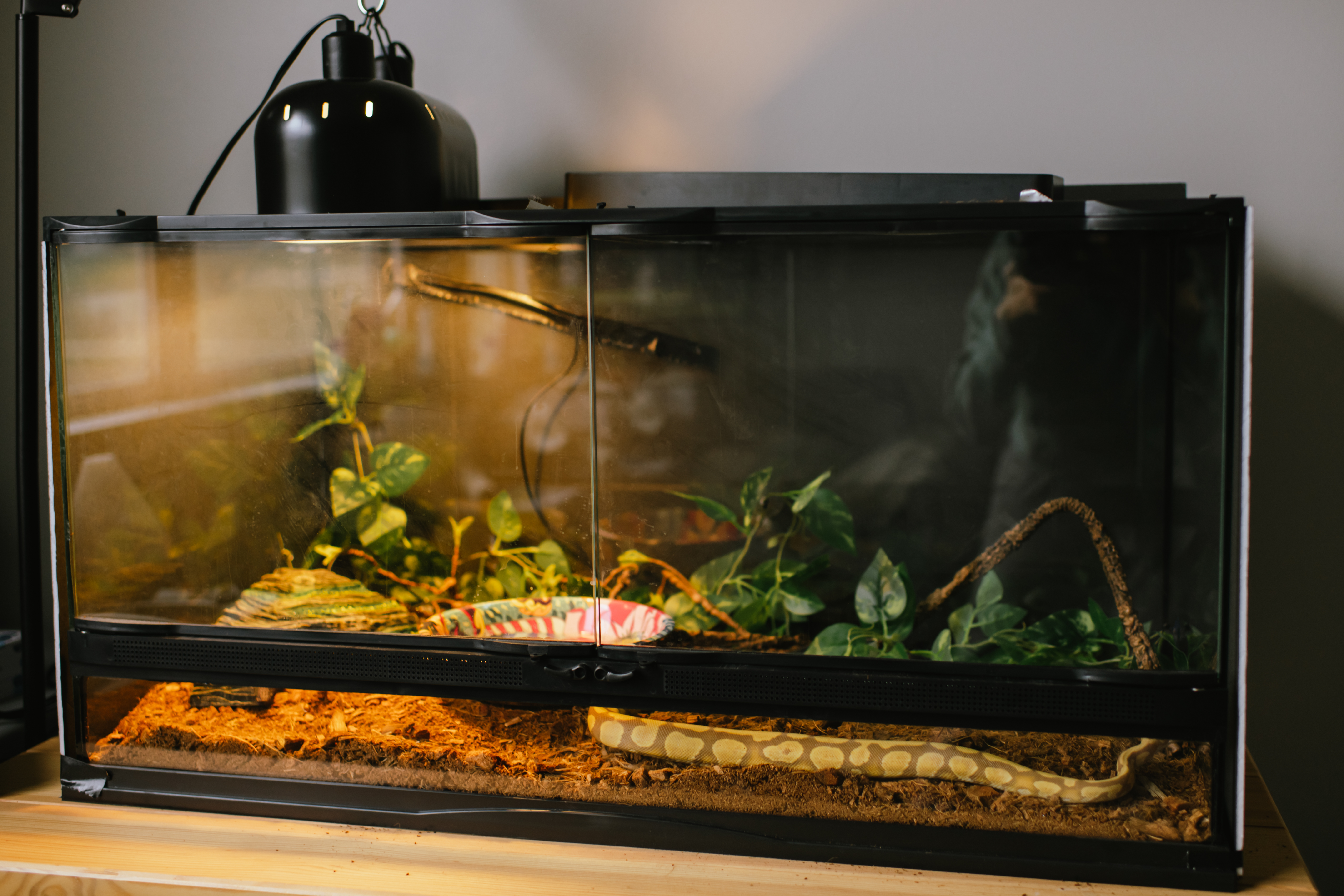
Selecting the perfect enclosure is the first step in crafting a haven for your reptile.
The size and material of the enclosure can make a big difference.
Opt for a space that allows your reptile to move freely, with ventilation to prevent mold growth and deter pests.
Glass or plastic enclosures are popular choices since they are easy to clean and offer clear visibility.
A well-chosen enclosure not only enhances your pet’s comfort but also contributes to a pest-free environment.
For more tips on picking the right habitat, visit this resource.
Temperature and humidity are vital for your reptile’s health.
Most reptiles thrive in warm environments, but the specifics vary depending on the species.
Use thermometers and hygrometers to monitor these levels accurately.
Keeping the habitat at the right temperature not only supports your pet’s wellbeing but also discourages pests that might prefer cooler, damper spaces.
Regularly check and adjust settings to ensure your reptile remains comfortable and pests are kept at bay.
Discover more about reptile habitat care here.
A clean habitat is a pest-free habitat.
Establish a daily cleaning routine to remove uneaten food, waste, and shed skin.
These can attract unwanted pests, leading to infestations.
Use mild, non-toxic cleaning solutions to wipe down surfaces, ensuring they are safe for your reptile.
This routine not only keeps pests away but also keeps your pet healthy.
Maintaining cleanliness isn’t just about aesthetics; it’s about creating a safe space for your reptile to thrive.
Once the habitat basics are set, it’s time to focus on keeping it pest-free.
Using natural pest management, you can protect your reptile without harming the environment.
Here’s how.
Recognizing pests early can save a lot of trouble.
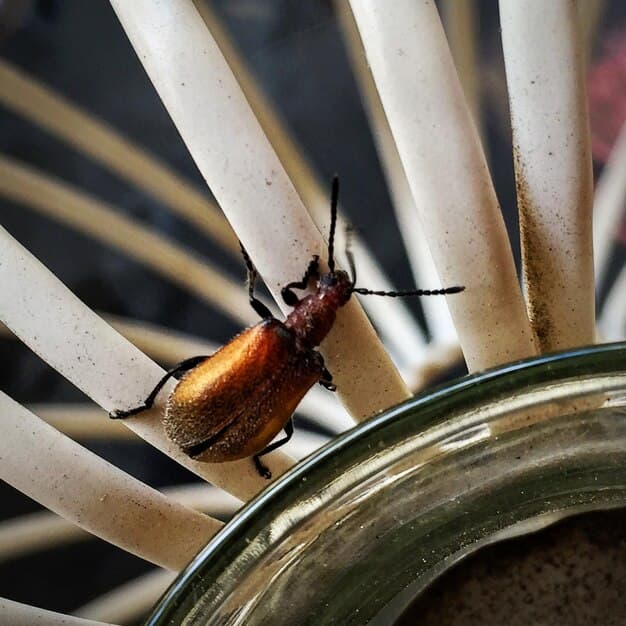
Some common invaders include mites, ants, and flies.
Each pest needs a different approach for eradication.
For instance, mites may cause visible irritation on your reptile’s skin, while ants are often drawn to leftover food.
Knowing what to look for helps you act quickly and efficiently.
If you spot any signs of pests, take action immediately to prevent an infestation.
You don’t need harsh chemicals to tackle pests.
Many effective solutions come right from your kitchen or garden. Vinegar works well as a natural cleaner and deterrent.
Simply mix equal parts water and vinegar, then spray on surfaces. Baking soda is another option; sprinkle it where pests are likely to enter.
These simple ingredients are both cost-effective and safe for your reptile.
Implementing these solutions helps in maintaining a clean and healthy habitat.
To ensure a pest-free environment, adopt eco-friendly practices.
Use natural substrates like coconut fiber, which are less likely to harbor pests.
Additionally, live plants can enhance the habitat and naturally deter pests while providing enrichment for your reptile.
Regularly inspect and clean these elements to ensure they remain beneficial.
These practices not only contribute to a pest-free habitat but also enrich your reptile’s living space.
For more detailed care practices, explore this guide.
Bringing everything together, this section focuses on proactive strategies to maintain a healthy environment for your reptiles.
Make inspections part of your routine.
Look for signs of pests or habitat issues like excess moisture or waste buildup.
Frequent checks help you catch problems before they escalate.
Make a checklist of things to inspect, such as food storage, substrate condition, and enclosure integrity.
Keeping an eye on these factors can prevent pest infestations and ensure a safe environment for your pet.
Enhance your pest control strategy by using natural deterrents. Herbs like mint or rosemary can be planted near the enclosure to repel pests with their strong scents. Diatomaceous earth is another safe option for dusting around enclosures to deter crawling insects.
These deterrents add an extra layer of protection, ensuring that pests stay out of your reptile’s habitat.
Implementing these measures makes pest control more manageable and eco-friendly.
We love hearing from you!
Share your pest control tips and habitat hacks in the comments below.
Have a unique method that works wonders?
Let us know!
Engaging with fellow reptile enthusiasts can provide new insights and solutions.
Remember, a pest-free habitat is just a step away with the right knowledge and tools.
Keep exploring and learning to ensure your reptile enjoys a safe and healthy home.
For further guidance, check out additional resources like this one.
By integrating these practices, you can maintain a clean and comfortable environment for your reptile friends.
Enjoy the peace of mind that comes with knowing your pets are safe from pests, while also contributing to an eco-friendly planet.
Spring pests surge due to warmer weather seeking food and shelter. Natural, non-toxic methods like vinegar, essential oils, sealing entry points, and ...

Layered natural pest control combines prevention, sealing, trapping, and repellents using safe, non-toxic methods like essential oils, diatomaceous ea...

Year-round guide for natural, chemical-free garden pest control: use seasonal strategies, companion planting, beneficial insects, DIY sprays, traps, a...
Understand pest behavior to disrupt their patterns using natural, eco-friendly methods like kitchen ingredients, essential oils, and home sealing. Saf...
