
Most gardeners believe chemicals are the only way to stop pests.
But those harsh sprays often bring more harm than good—to your plants and the environment.
You can create a pest-free garden using simple, natural pest control methods that protect your space and keep it thriving.
Let’s explore easy, chemical-free gardening steps you can start today.
For more ideas, check out this natural garden pest control recipe.
Natural pest control is all about using methods that are safe for your garden and the environment.
By focusing on natural solutions, you create a balanced ecosystem where pests are less likely to thrive.
Using natural methods brings many rewards.
First, your garden stays free from harmful chemicals that can damage plants and soil.
This means healthier produce for you and your family.
Plus, it’s safe for kids and pets to play around.
Lastly, you’ll help protect local wildlife by not introducing toxins into their habitats.
Imagine your garden as a safe haven for beneficial insects.
These little helpers can manage pest populations for you.
Ladybugs, for example, eat aphids—a common garden pest.
By encouraging such natural predators, your garden becomes a self-sustaining ecosystem.
This makes your gardening efforts more rewarding and less labor-intensive over time.
Every garden faces pest challenges.
From aphids to slugs, these critters can wreak havoc on your plants.
But nature has its defenses, too.
Many insects and animals naturally control pest populations.
Birds, for instance, are great at keeping bugs in check.
They feast on caterpillars and beetles, reducing your need for intervention.
It’s important to recognize the difference between harmful pests and their natural enemies.
By learning to identify these helpful creatures, you can avoid mistakenly removing them.
You’ll also appreciate how they contribute to the health of your garden.
Keep an eye out for these allies and encourage their presence by fostering a welcoming environment.
Once you understand natural pest control, it’s time to explore solutions that work.
Eco-friendly strategies offer effective ways to keep your garden pest-free without harming the environment.
Creating your own pest solutions is both simple and satisfying.
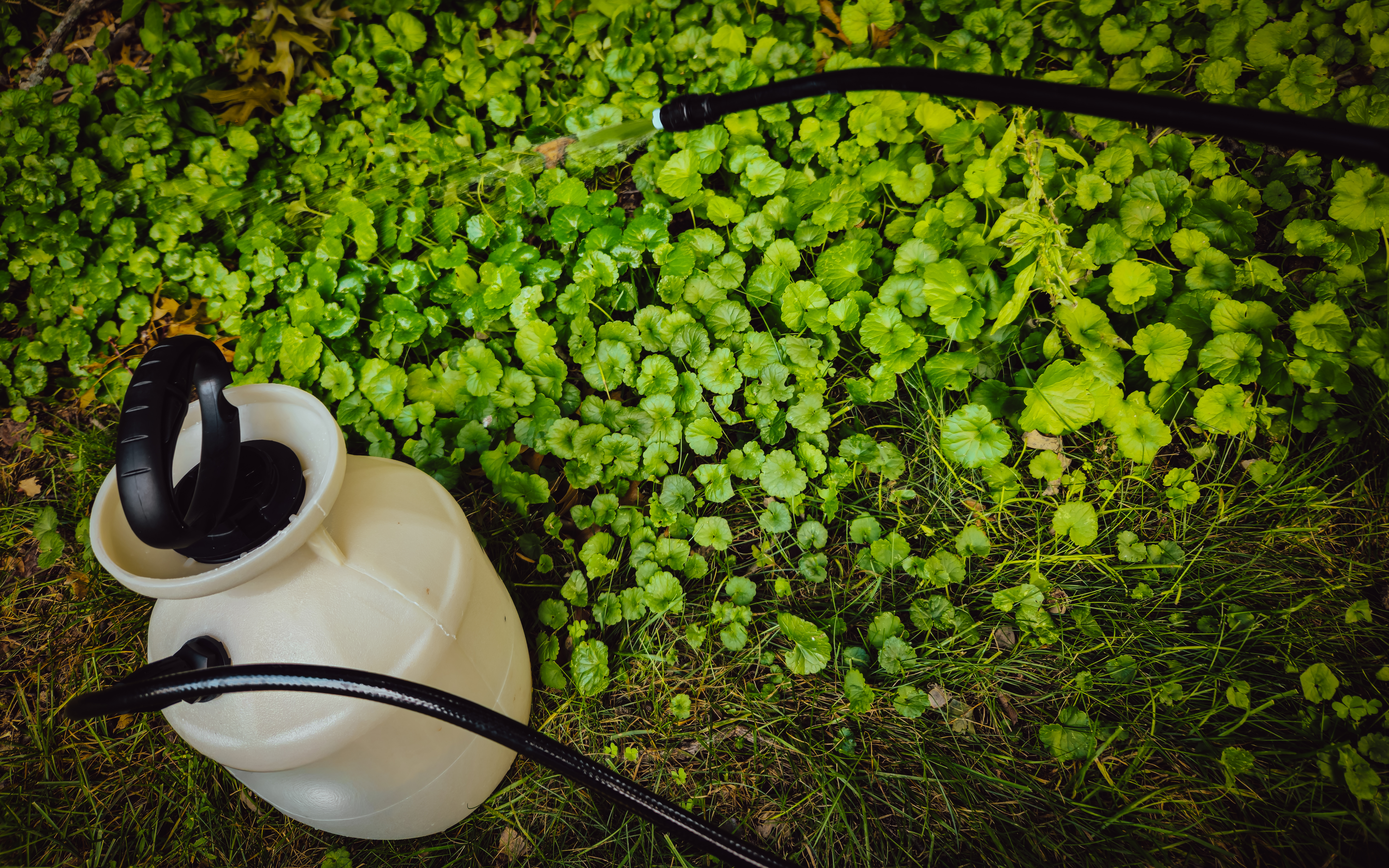
A spray made from garlic and hot pepper can deter many pests.
Mix garlic, water, and a bit of soap for an all-natural bug buster.
Spray this mixture on affected plants to keep pests away.
Companion planting is another strategy to consider.
Some plants naturally repel specific pests.
For example, marigolds can deter nematodes.
Planting them alongside vulnerable crops can offer protection.
This method not only reduces pests but also promotes biodiversity in your garden.
You don’t need exotic ingredients to fight garden pests.
Your kitchen holds many powerful tools.
Vinegar, for instance, acts as a natural weed killer.
It can also repel ants and other small insects.
Spread a little around your garden’s border to create an effective barrier.
Baking soda is another surprising ally.
A blend of baking soda and water can help control fungal diseases.
Dust affected leaves lightly, and watch as the fungus fades away.
These simple, affordable solutions prove that keeping pests at bay doesn’t require harsh chemicals.
Achieving a pest-free garden is just the beginning.
Ongoing care ensures it stays that way, allowing your plants to flourish season after season.
Routine maintenance is key to a healthy garden.
Start by keeping the area clean and free of debris where pests might hide.
Regularly check for signs of pest activity.
Early detection prevents small issues from becoming big problems.
Pruning is another essential task.
By trimming dead or infested plant parts, you prevent the spread of pests and diseases.
Ensure your tools are clean to avoid transferring pathogens between plants.
Consistent care leads to a vibrant and resilient garden.
Your garden thrives when beneficial wildlife is present.
Birds, insects, and other creatures play a crucial role in pest control.
Attracting these allies can be as simple as providing food, water, and shelter.
Plant flowers that produce nectar to invite pollinators like bees and butterflies.
Set up bird feeders and birdbaths to welcome feathered friends.
By nurturing this ecosystem, you create a natural balance that keeps pests under control.
曆
By adopting these strategies, you empower yourself to maintain a beautiful, healthy garden without relying on chemicals.
Remember, the longer you wait to embrace natural solutions, the more time pests have to settle in.
Start today and enjoy the benefits of a thriving, eco-friendly garden.
Spring pests surge due to warmer weather seeking food and shelter. Natural, non-toxic methods like vinegar, essential oils, sealing entry points, and ...

Layered natural pest control combines prevention, sealing, trapping, and repellents using safe, non-toxic methods like essential oils, diatomaceous ea...
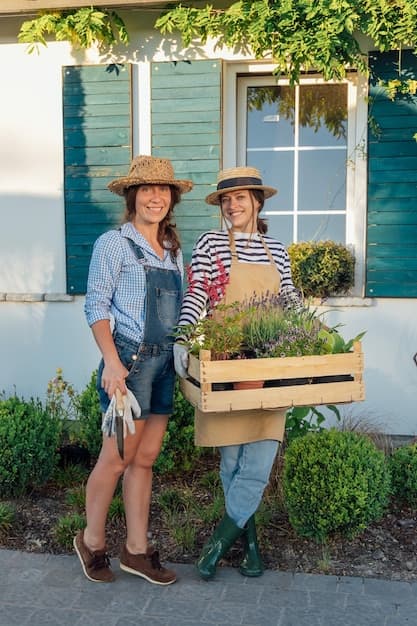
Year-round guide for natural, chemical-free garden pest control: use seasonal strategies, companion planting, beneficial insects, DIY sprays, traps, a...
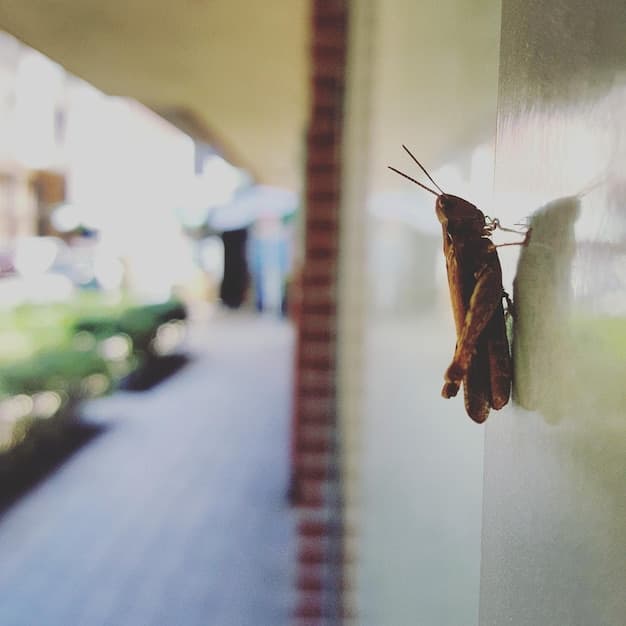
Understand pest behavior to disrupt their patterns using natural, eco-friendly methods like kitchen ingredients, essential oils, and home sealing. Saf...
