
Pests can sneak into your rental without warning, turning your cozy space into a constant battle zone.
You don’t need harsh chemicals or costly treatments to keep them away.
With simple natural pest control methods using kitchen staples and garden ingredients, you can protect your home safely and affordably.
Let’s explore easy renters pest solutions that actually work without disrupting your living situation.
For more information on pest-proofing your rental, check out this article here.
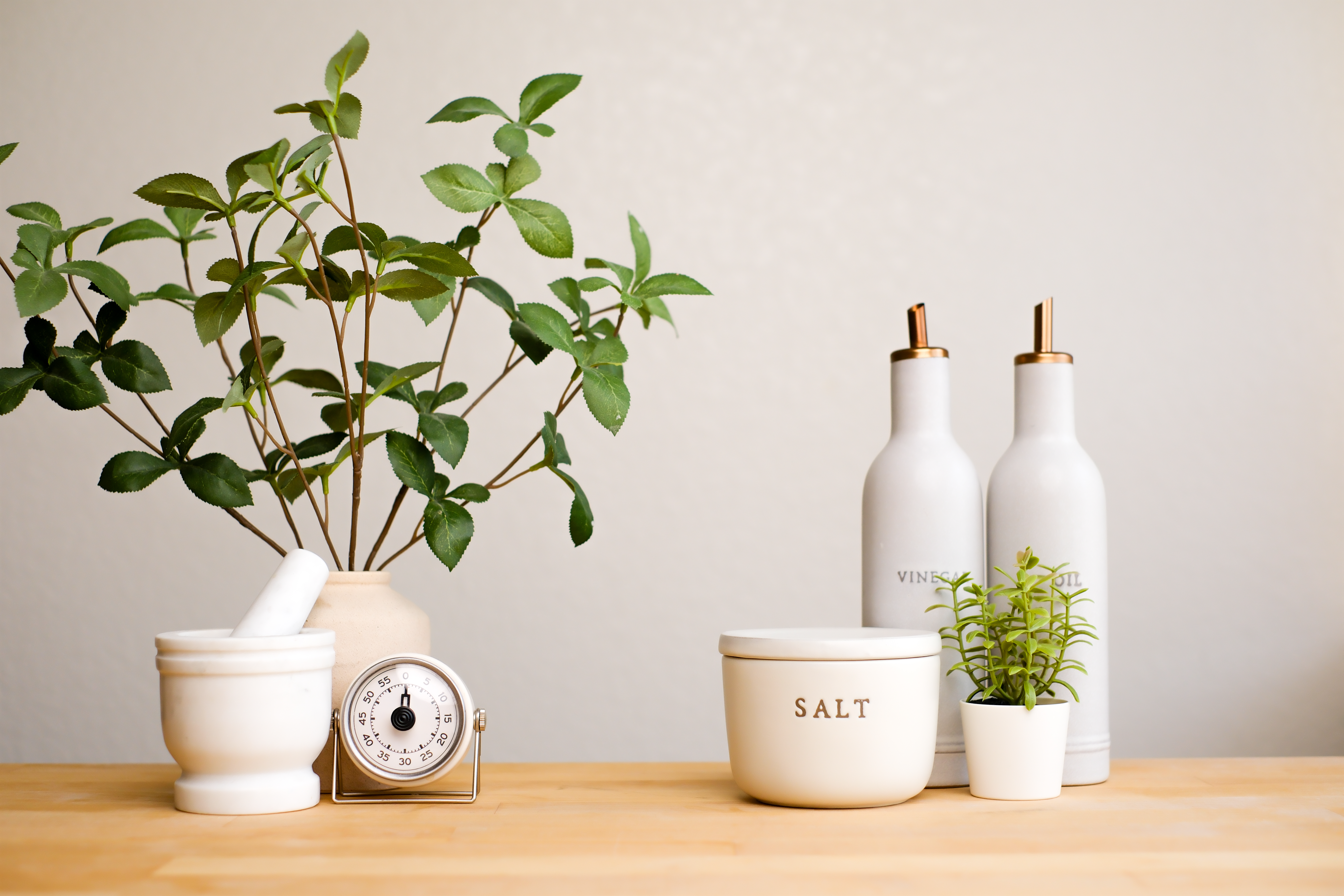
You might not expect it, but your kitchen and garden hold secret weapons against pests.
Let’s uncover how everyday items can protect your space.
Did you know that your pantry is a treasure chest for pest control? Vinegar and baking soda aren’t just for cooking.
A simple mix of vinegar and water can repel ants and fruit flies.
Sprinkle baking soda in problem areas to discourage roaches. Lemon peels and peppermint oil also do wonders.
Place lemon peels near windows or use peppermint oil-soaked cotton balls to deter spiders.
Your kitchen might already have what you need to maintain a bug-free home.
Most people think you need specialized products to keep pests at bay, but these household items prove otherwise.
Not only are these methods effective, but they’re also safe and chemical-free.
Why spend extra when you have solutions right at home?
Bonus Tip: Don’t toss those coffee grounds!
They’re perfect for deterring insects when sprinkled around entry points or garden beds.
Your garden is more than just a pretty sight—it’s a natural pest deterrent. Basil, mint, and rosemary are more than culinary delights; they’re natural repellents too.
Plant them near doors or windows, and pests will think twice before entering.
Basil can deter flies, while mint keeps away ants and mosquitoes.
Rosemary is fantastic for warding off cabbage moths.
Think about it: a thriving herb garden that keeps bugs away and enhances your meals?
That’s a win-win!
Plus, the smell of fresh herbs is a delight to your senses while being a deterrent to pests.
Here’s the key insight: By using nature’s bounty, you’re not only saving money but also creating a healthier environment in your home.
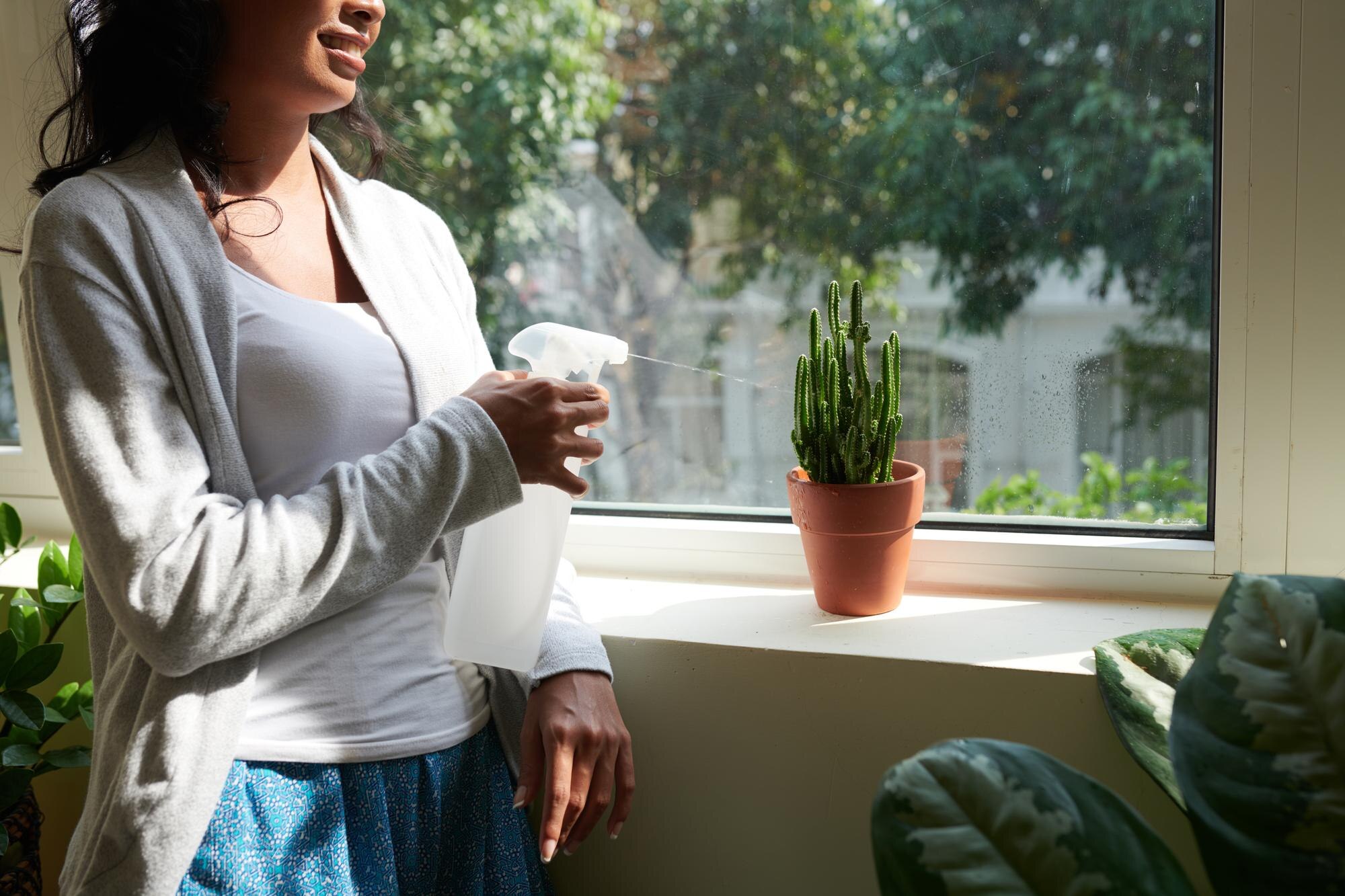
Now that you know the natural elements at your disposal, let’s explore practical tactics that won’t break the bank.
Creating pest barriers is easier than you think. Sticky traps and bottle traps can be made with items you already own.
Try using a soda bottle to trap fruit flies or a sticky tape for ants.
Simply cut the top off a bottle, invert it, and add a bit of bait inside.
Secure with tape, and you’ve got a fly trap.
These DIY solutions challenge the belief that only professionals can handle pest issues effectively.
By setting up these simple traps, you can prevent infestations before they start.
It’s all about preparation and knowing your enemy!
Insight: By taking proactive steps, you can avoid unwelcome surprises and keep your living space comfortable and pest-free.
Cleaning goes a long way in pest prevention.
Regularly wiping down surfaces with natural cleaners like vinegar reduces attractants.
Keep floors crumb-free and don’t forget to check behind appliances for hidden crumbs.
Regular vacuuming can also help eliminate pests and their eggs before they become a problem.
Remember, cleanliness is your first line of defense.
Most pests are just looking for food and shelter, so by depriving them of these, you protect your home naturally.
For further reading on DIY pest control advantages and disadvantages, this resource offers valuable insights here.

Let’s move to eco-friendly solutions that renters can easily implement without altering their living spaces.
Mixing your own pest spray is simpler than you think.
Combine water, vinegar, and essential oils like peppermint or lavender for a potent bug spray.
Use it around windows, doors, and other entry points to keep bugs out.
This natural concoction is safe for you, your family, and pets.
Most people assume that “natural” means less effective, but these homemade sprays can often outperform their chemical counterparts.
They’re easy on your wallet and the planet.
Tip: Test your spray on a small area first to ensure it doesn’t stain surfaces.
Keeping pests out of apartments requires a bit of strategy.
Seal any cracks or gaps with caulk, especially around doors and windows.
Use door sweeps to block entry points.
Communicate with neighbors about pest control to ensure a unified effort.
A shared approach keeps the whole building safer.
The longer you wait to tackle entry points, the more inviting your home becomes for critters.
By addressing these small issues, you can maintain a peaceful, pest-free environment.
For more tips on pest control in shared spaces, check out this guide here.
In summary, these strategies are not only cost-effective but also environmentally responsible.
Embrace these simple yet powerful techniques to ensure a comfortable and pest-free living space.
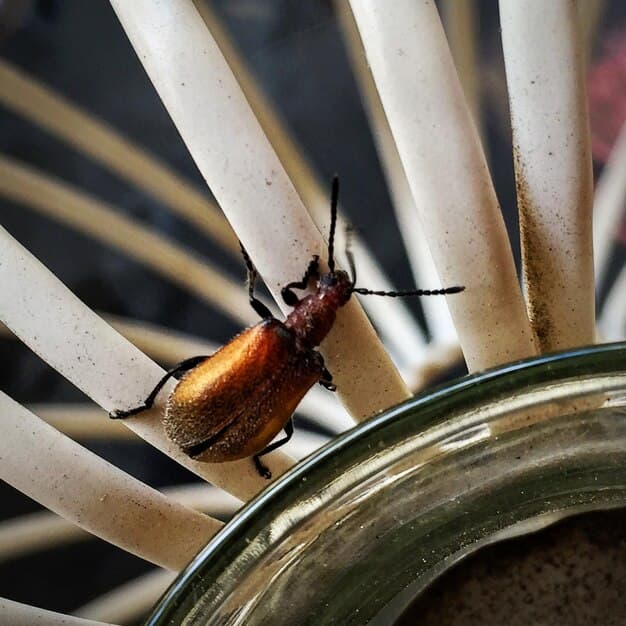
Spring pests surge due to warmer weather seeking food and shelter. Natural, non-toxic methods like vinegar, essential oils, sealing entry points, and ...

Layered natural pest control combines prevention, sealing, trapping, and repellents using safe, non-toxic methods like essential oils, diatomaceous ea...
Year-round guide for natural, chemical-free garden pest control: use seasonal strategies, companion planting, beneficial insects, DIY sprays, traps, a...
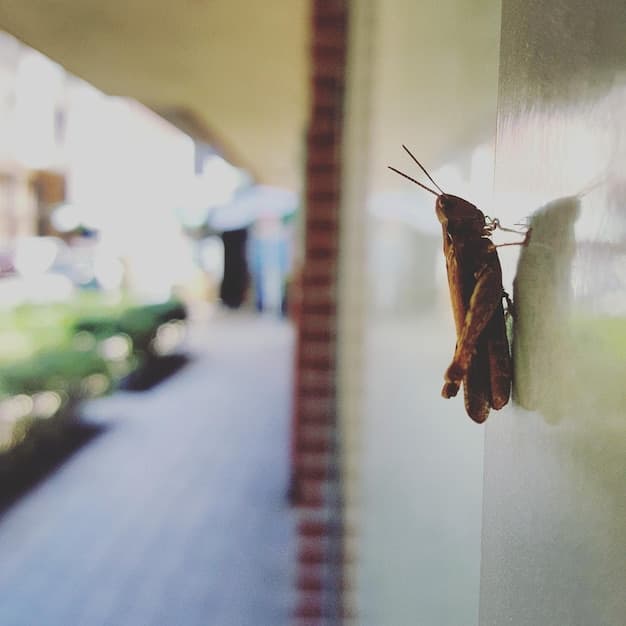
Understand pest behavior to disrupt their patterns using natural, eco-friendly methods like kitchen ingredients, essential oils, and home sealing. Saf...
