
Pests sneak in when you least expect it, and harsh chemicals aren’t the only answer.
You can build effective, non-toxic barriers using simple household items you already have.
This guide walks you through easy steps to create eco-friendly pest barriers that keep ants, slugs, mice, and more outside—safe for your family and pets.
Keep reading to start your natural pest control journey with tools from your own home.
For more tips, check out this guide to eco-friendly pest control.
Creating effective pest barriers at home starts with using the right materials.
Let’s dive into what you’ll need and how to use them safely.
To begin your pest-proofing journey, gather some common household items that work wonders in natural pest control. Vinegar is a great starting point.
Use it to make sprays that repel ants effectively. Diatomaceous earth is another star player.
This powdery substance can be sprinkled around entry points to stop slugs and other pests in their tracks.
Don’t forget about copper tape to keep slugs at bay.
It’s simple and effective.
Have some steel wool on hand as well.
Mice hate this stuff, and it’s perfect for plugging small holes.
Lastly, grab a few door sweeps and some weatherstripping to seal gaps around doors and windows.
These basic items can act as a fortress against unwelcome guests.
Safety first!
When handling these items, keep a few tips in mind.
Vinegar is safe but can irritate skin, so it’s best to wear gloves.
Diatomaceous earth, while natural, should not be inhaled, so use a mask when applying it.
When using steel wool, wear gloves to avoid scratches.
Remember, copper tape has sharp edges, so handle it with care.
Keep all materials away from kids and pets when not in use.
Understanding how to use these materials safely ensures you’re protecting your home without any risk.
Now that you have your materials, let’s explore how to build barriers that actually work.
Each step is designed to keep pests out for good.
The first step in creating a pest barrier is sealing entry points.
Look at the edges of your doors and windows.
Can you see light?
If so, pests can get in.
Install door sweeps to close gaps under doors.
They’re easy to attach and instantly block entry.
Next, use weatherstripping around windows.
This helps seal gaps and keeps pests, and drafts, out.
For holes or cracks in walls, use steel wool.
Mice and other critters can’t chew through it.
Seal the wool with caulk for a long-lasting fix.
Taking these steps creates a solid defense against unwanted visitors.
With entry points sealed, it’s time to add an extra layer of protection using natural deterrents.
Mix equal parts vinegar and water in a spray bottle.
Spritz this around areas where you’ve seen ants.
They can’t stand the acidity.
For slugs, place copper tape around the perimeter of your garden.
The metal reacts with their slime, creating an unpleasant sensation that slugs hate.
Got plants to protect?
Sprinkle diatomaceous earth around them.
It’s harmless to humans but deadly to many insects.
By using these natural solutions, you’re creating a home that’s pest-free and safe for everyone.
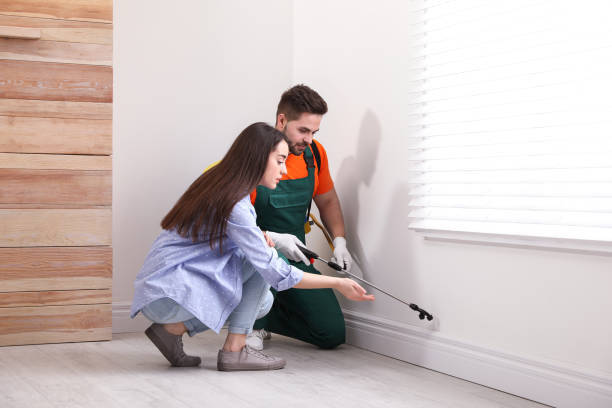
Once your barriers are up, maintaining them is key to long-term success.
Here’s how to ensure they continue to protect your home.
Barriers not working as expected?
Check for gaps in your defenses.
Weatherstripping and door sweeps need to be checked regularly for wear and tear.
Steel wool can loosen over time, so keep an eye on it.
If ants persist, consider upping your vinegar spray frequency.
For slugs, make sure your copper tape hasn’t been covered by soil or debris.
Sometimes, even with precautions, pests find new ways in.
Identify these points and reinforce them accordingly.
Regular inspections make all the difference in keeping your home pest-free.
Creating a pest-free home also means ensuring it’s safe for your pets and reptiles.
Keep diatomaceous earth out of reach of curious paws.
It’s non-toxic but can be drying.
Vinegar sprays should be used in areas where pets don’t lick or walk immediately after application.
For reptile owners, ensure copper tape isn’t accessible to your scaly friends.
Always ventilate areas after applying any sprays.
This keeps the air fresh and prevents any irritation.
By taking these precautions, you ensure a harmonious environment for all members of your household.
Use household items like vinegar, citrus peels, baking soda, coffee grounds, peppermint oil, and dish soap for safe, eco-friendly pest control. Combin...
This guide offers natural, eco-friendly pest control methods—early monitoring, healthy soil, companion planting, beneficial insects, and homemade spra...
Affordable, pantry-safe pest control includes cleaning surfaces, sealing entry points, using airtight containers, and natural DIY remedies like vinega...

This guide offers affordable, natural, renter- and pet-safe pest control tips using household items like vinegar, lemon, and diatomaceous earth, empha...