
Pests in your home don’t have to mean harsh chemicals or costly treatments.
Natural pest control offers simple, affordable ways to keep unwanted visitors away using common household items.
You’ll learn easy, eco-friendly pest solutions that anyone can try.
Let’s start your DIY pest management with safe, non-toxic steps that protect your home and the environment. Learn more about natural pest control methods here.
Embarking on this journey means embracing practical ways to keep your home pest-free while being kind to the environment.
Let’s explore how you can begin with eco-friendly pest solutions.
Eco-friendly pest control uses natural ingredients to deter pests.
Imagine a garden in harmony, where pests stay away without chemicals.
With techniques like companion planting and natural repellents, your garden can thrive.
For instance, marigolds can deter nematodes in your vegetable patch.
You can explore more on organic pest control for gardens.
Non-toxic pest control is safe for your family and pets.
You no longer need to worry about harmful residues.
Using items like vinegar and essential oils, you create a barrier that pests dislike.
Did you know that peppermint oil can repel mice?
This method offers peace of mind knowing your home is safe and sound.
Why spend a fortune when you can use ingredients from your pantry?
Baking soda and sugar can create an effective ant bait.
With simple solutions, you save money while keeping pests at bay.
Most people think pest control requires costly products, but affordable options are plentiful.
Discover more tips from resources like Making Natural Pest Controls.

Now that you’re familiar with natural solutions, let’s get into the essentials of DIY pest management.
You already have most of the tools you need at home.
Your kitchen is a goldmine for pest control.
Items like lemon juice and salt can become your allies against pests.
For example, sprinkling salt near doorways can deter ants.
These common items are not only effective but also safe to use around kids and pets.
Ready to take action?
Begin by identifying pest hotspots around your home.
Then, apply your natural solutions regularly.
Here’s how:
Identify Pest Entry Points: Check windows and doors for gaps.
Apply Natural Barriers: Use vinegar or essential oils around these areas.
Monitor and Adjust: Track effectiveness and tweak methods as needed.
It’s easy to make a few slip-ups when starting out, but knowing what to avoid will help you succeed.
One common mistake is using too much of a natural remedy, which can lead to inefficiency.
Another is ignoring regular maintenance—consistency is key in pest management.
Most people might overlook these details, but staying vigilant ensures success.

With the basics covered, it’s time to delve deeper into natural pest control.
Embrace these practices and see the difference in your home.
Natural methods are diverse and effective.
Try diatomaceous earth for crawling pests or neem oil for garden invaders.
Each method has unique benefits that cater to specific pest problems.
Learn more about integrated pest management in this blog from Growing Spaces.
As you start using these methods, your confidence will grow.
Most people think eco-friendly means less effective, but you’ll see results quickly.
Sharing success stories with others can also bolster your confidence.
Consider joining communities like this Facebook group for support and advice.
The longer you wait, the more pests can multiply.
Start today with simple steps and see the transformation in your home.
Whether it’s a few ants or a garden full of critters, your new skills will keep them at bay.
Remember, your journey is just beginning, and every step brings you closer to a peaceful, pest-free home.
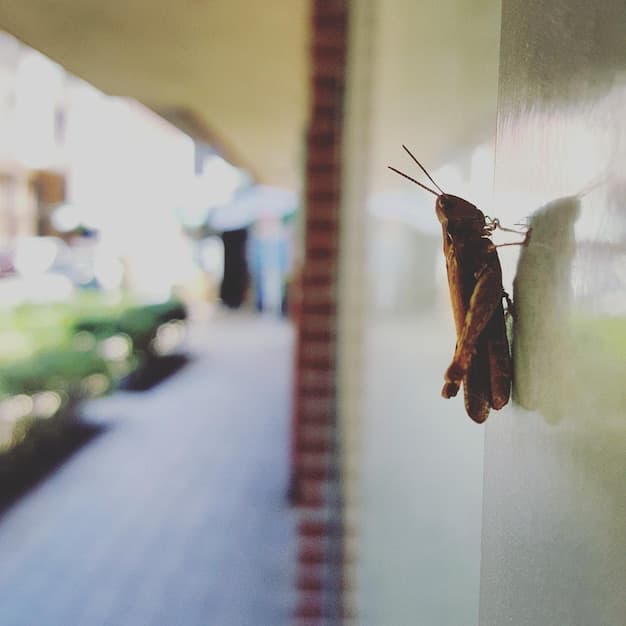
Avoid common natural pest control mistakes like misusing essential oils, ignoring entry points, and overlooking pest habitats. Use pet-safe remedies, ...
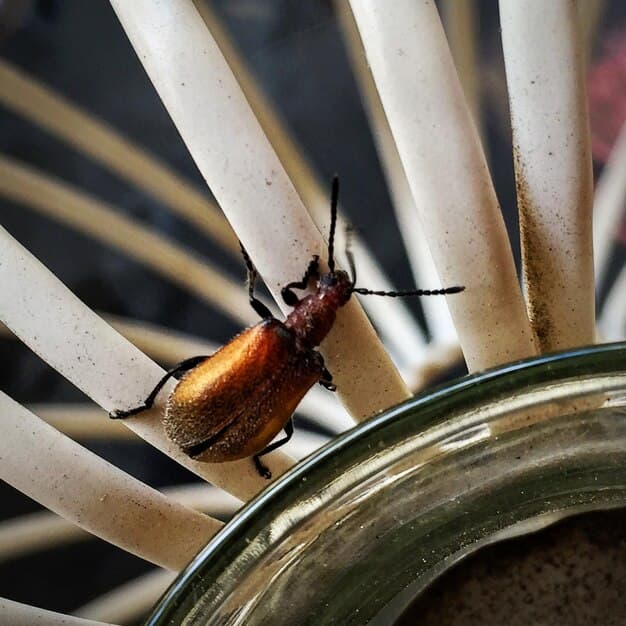
Spring pests surge due to warmer weather seeking food and shelter. Natural, non-toxic methods like vinegar, essential oils, sealing entry points, and ...

Layered natural pest control combines prevention, sealing, trapping, and repellents using safe, non-toxic methods like essential oils, diatomaceous ea...
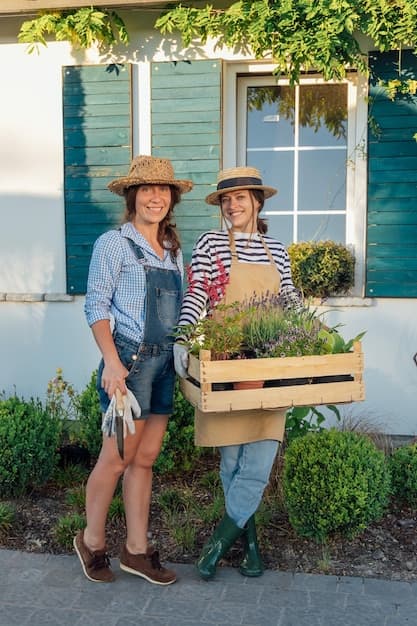
Year-round guide for natural, chemical-free garden pest control: use seasonal strategies, companion planting, beneficial insects, DIY sprays, traps, a...
