
Forget everything you know about natural pest control—it’s not just about sprays and traps.
Many homeowners try the usual methods but still wrestle with pests invading their space.
What if simple household items and a few lesser-known tricks could keep your home pest-free without harsh chemicals?
Let’s explore some fresh, eco-friendly pest solutions that you haven’t tried yet and that anyone can start today. Explore more here.
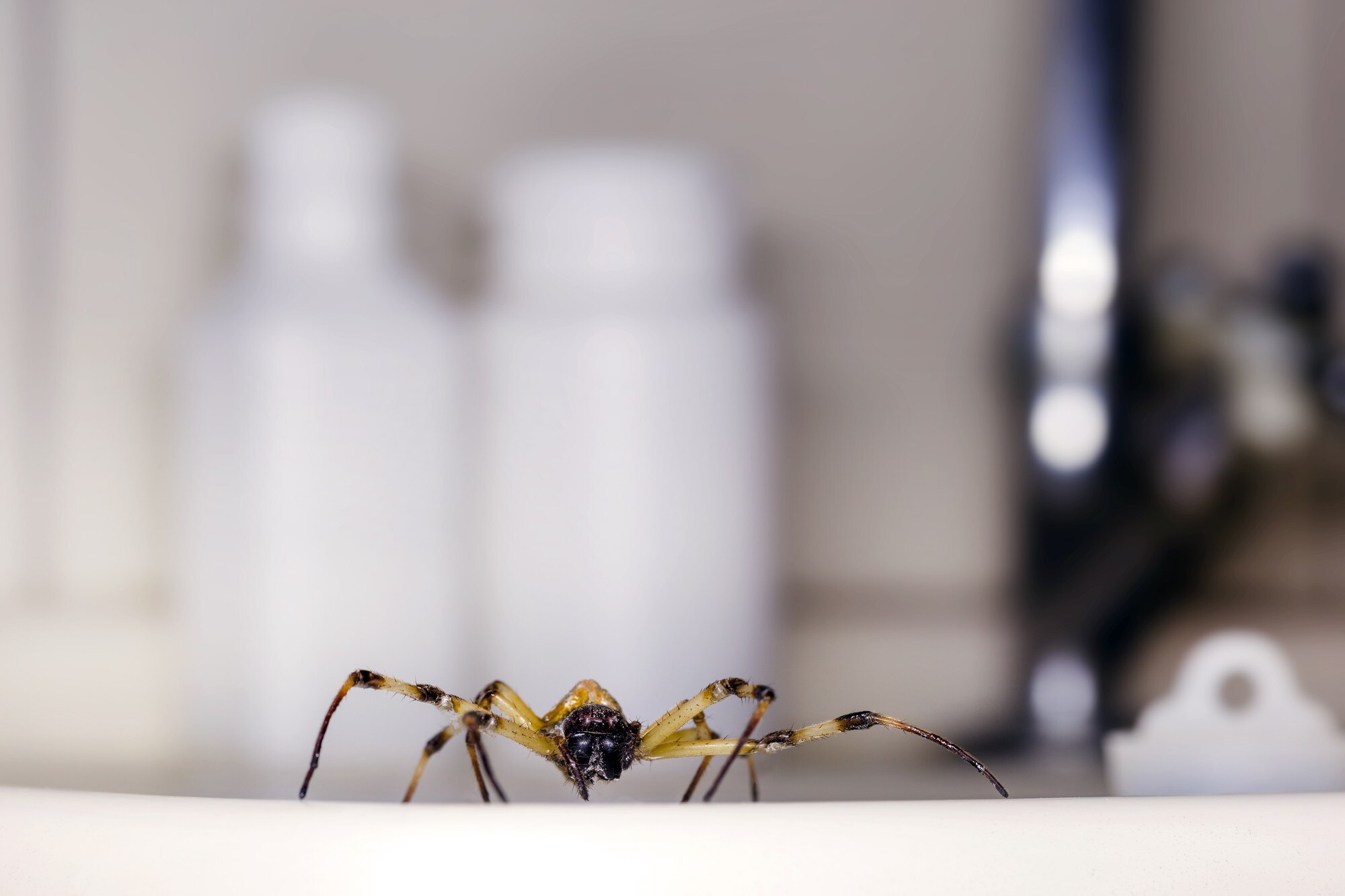
You might think you’ve tried everything, but there are some surprising methods out there.
Let’s dive into some unconventional tricks that could make all the difference in your battle against pests.
Look no further than your pantry for powerful pest repellents. Vinegar is one such item that can deter ants.
Just mix equal parts of water and vinegar in a spray bottle, and spritz entry points.
Ants dislike the strong scent and will steer clear.
Got some baking soda?
It’s excellent for roaches.
Combine it with sugar and sprinkle it in areas where roaches frequent.
The sugar lures them, while the baking soda takes care of the rest.
Homeowners have reported up to a 50% reduction in roach sightings using this simple mix.
Coffee grounds are another hidden gem.
They repel mosquitoes and can be spread around outdoor seating areas.
Their strong scent keeps these annoying insects at bay, allowing you to enjoy your time outside.
Many assume their gardens are safe havens, but pests often lurk here. Diatomaceous earth is a natural powder you can sprinkle around plants.
It’s safe for you and your pets but deadly to bugs, drying them out on contact.
Have a problem with slugs? Copper tape can be a lifesaver.
Wrap it around plant pots.
The electrical charge from the copper repels slugs, keeping your plants safe.
Gardeners have noticed healthier plants within weeks of implementing this trick.
Planting marigolds can also help.
They naturally deter nematodes and other insects, providing a protective barrier for your garden.
Plus, they add a pop of color!
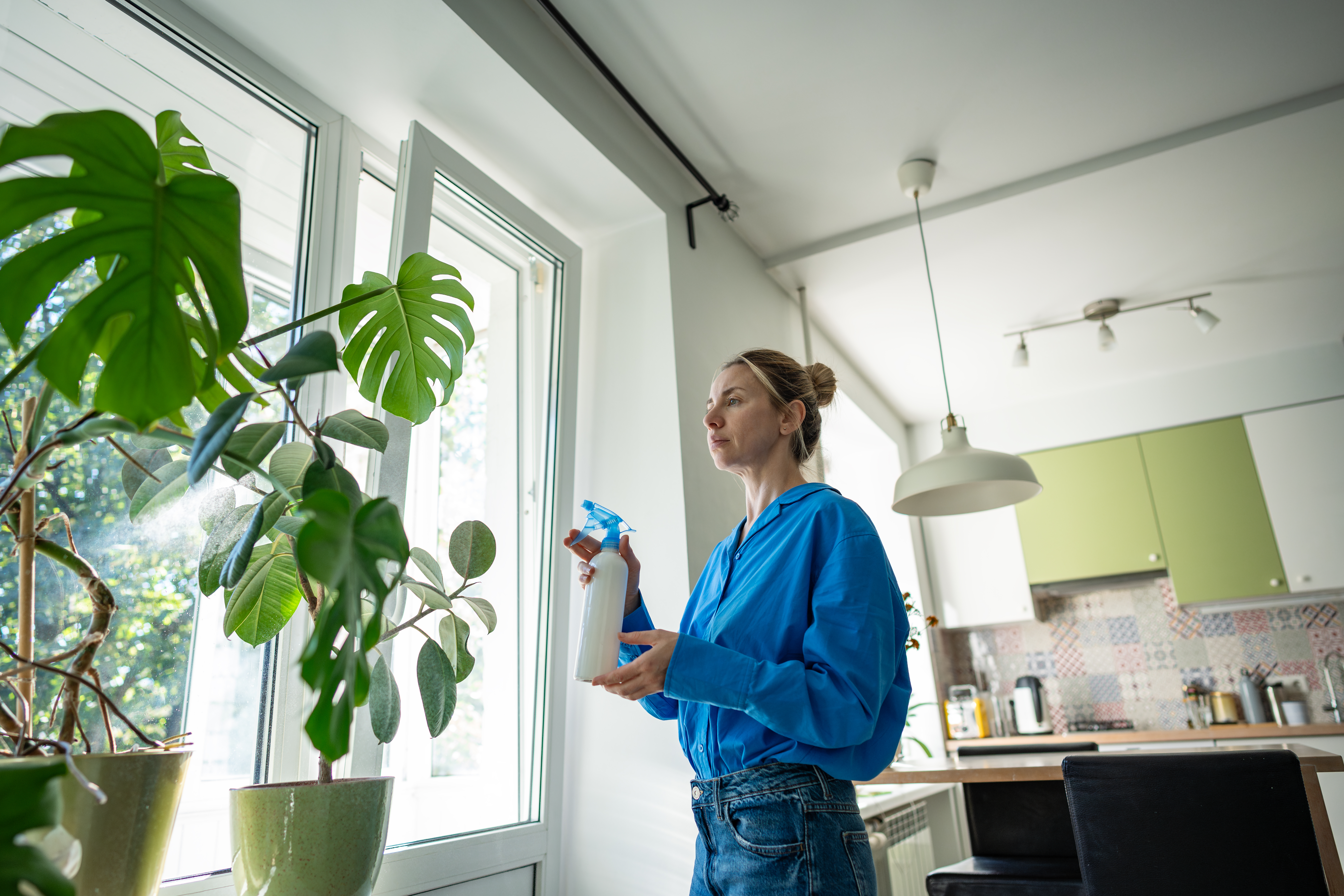
Tired of relying on chemicals?
There are safer options that work just as well.
Here’s how you can keep your home and garden pest-free without compromising on safety.
Consider using essential oils like peppermint or lavender.
These oils smell great to us but are repulsive to pests like spiders and flies.
A few drops mixed with water can create an effective spray for windows and doors.
Another option is neem oil.
It’s a natural insecticide that disrupts the growth and reproduction of pests.
Dilute it with water and spray on affected plants.
Many gardeners swear by its effectiveness in controlling aphids and other garden pests.
If rodents are your concern, try peppermint oil.
Soak cotton balls in the oil and place them in areas where mice might enter.
Its strong aroma keeps them away, and many report seeing fewer rodents within days.
Gardening can be a joy, but it’s frustrating when pests invade. Companion planting is a strategy worth trying.
By pairing plants that naturally repel pests, such as basil with tomatoes, you create a more resilient garden.
Netting is another physical barrier that can protect your plants from birds and larger pests.
Lightweight and easy to install, it can save your strawberries from being a bird’s snack.
Incorporate beneficial insects like ladybugs and praying mantises.
They feed on pests such as aphids and caterpillars.
By fostering an environment where these helpful insects thrive, you naturally reduce harmful pest populations.
Adopting a natural approach not only protects your home but also supports a sustainable environment.
Let’s look at some practical ways you can manage pests without resorting to chemicals.
Regular cleaning can be your first line of defense.
Pests thrive in clutter.
Vacuum regularly and wipe down surfaces to remove crumbs and spills.
Seal cracks and gaps in your home’s exterior.
This simple step can prevent ants, spiders, and other unwelcome guests from entering.
Many homeowners find this reduces pest sightings by up to 30%.
Store food in airtight containers.
This not only keeps your food fresh but also deters pests like ants and roaches from finding a snack.
Start with sticky traps for insects.
These can be placed under sinks or behind appliances.
They’re affordable and effective at monitoring pest activity.
Try a homemade spray using soap and water for soft-bodied insects like aphids.
A few drops of dish soap in a spray bottle filled with water can help control these pests without harming your plants.
Lastly, consider joining online communities such as this Facebook group to share tips and experiences with others.
You can find support and discover new methods that have worked for fellow homeowners.
By integrating these eco-friendly solutions, you’re not only safeguarding your home but also contributing to a healthier planet.
Remember, the key to success is consistency and patience.
Happy pest-free living!
Avoid common natural pest control mistakes like misusing essential oils, ignoring entry points, and overlooking pest habitats. Use pet-safe remedies, ...
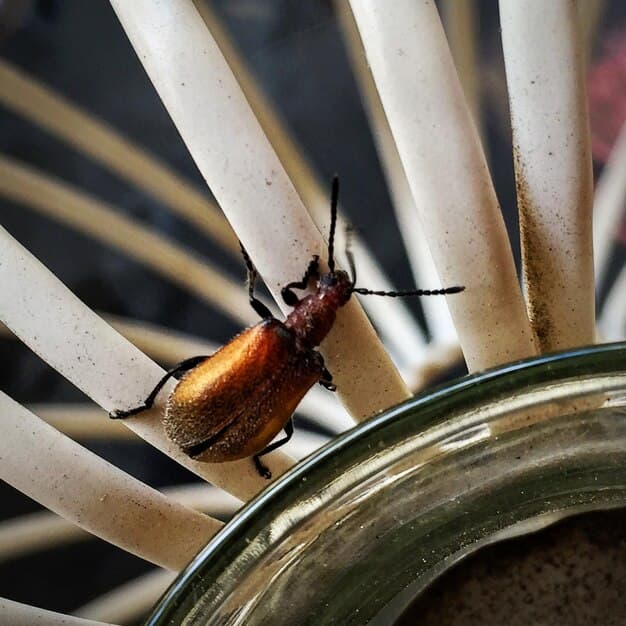
Spring pests surge due to warmer weather seeking food and shelter. Natural, non-toxic methods like vinegar, essential oils, sealing entry points, and ...

Layered natural pest control combines prevention, sealing, trapping, and repellents using safe, non-toxic methods like essential oils, diatomaceous ea...
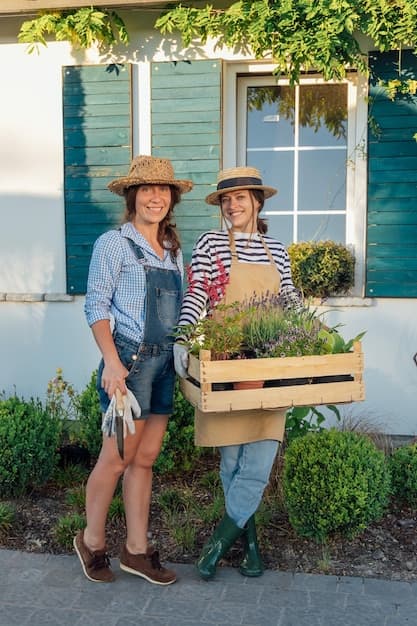
Year-round guide for natural, chemical-free garden pest control: use seasonal strategies, companion planting, beneficial insects, DIY sprays, traps, a...
