
Pest control doesn’t have to rely on harsh chemicals or expensive products.
Many common kitchen ingredients pack a surprising punch against pests—and science backs their power.
In this post, you’ll learn how simple, non-toxic methods using items like vinegar and essential oils keep your home pest-free.
Ready to try eco-friendly pest control that’s safe, affordable, and effective?
Let’s get started.
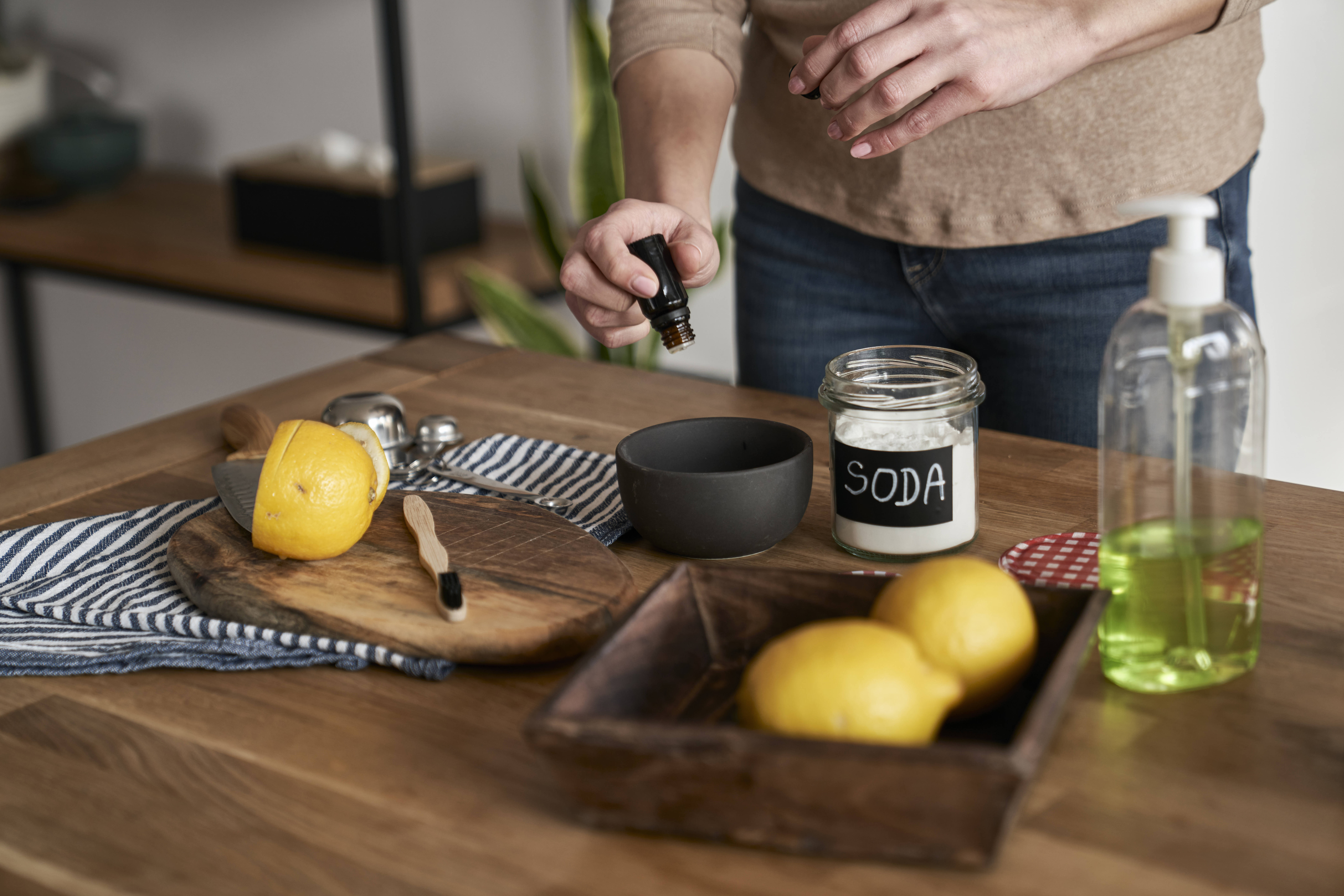
Kickstart your journey into eco-friendly pest control by understanding how ordinary kitchen items can tackle pesky invaders.
Imagine opening your pantry and finding all you need to fend off pests.
The secret lies in the natural properties of these ingredients.
For example, vinegar, with its strong scent and high acidity, can deter ants and fruit flies.
Similarly, baking soda disrupts the breeding grounds of cockroaches by causing dehydration.
These items are not only readily available but also safe to use around kids and pets, making them an excellent choice for families.
Think about it: why spend money on potentially harmful chemicals when your kitchen holds all the answers?
The effectiveness of these everyday items isn’t just an old wives’ tale.
Instead, it’s a reliable method supported by scientific findings and expert recommendations, like those from eco-friendly pest control advocates.
Ever wonder how these simple ingredients work against pests?
It’s all about their natural properties. Vinegar, for instance, has acetic acid that disrupts the sensory perception of ants, preventing them from following scent trails.
Baking soda, when ingested by pests, reacts with their digestive systems, leading to fatal consequences for the creepy crawlers.
Essential oils like peppermint and lavender contain compounds that repel insects due to their intense aromas that pests find overwhelming.
Science confirms these methods are effective.
Studies have shown that plant extracts can act as natural insecticides, offering a safe alternative to chemical-laden products.
This not only protects your home but also benefits the environment, reducing the chemical load on our planet.
Interested in the details?
Check out this study on natural insecticides.
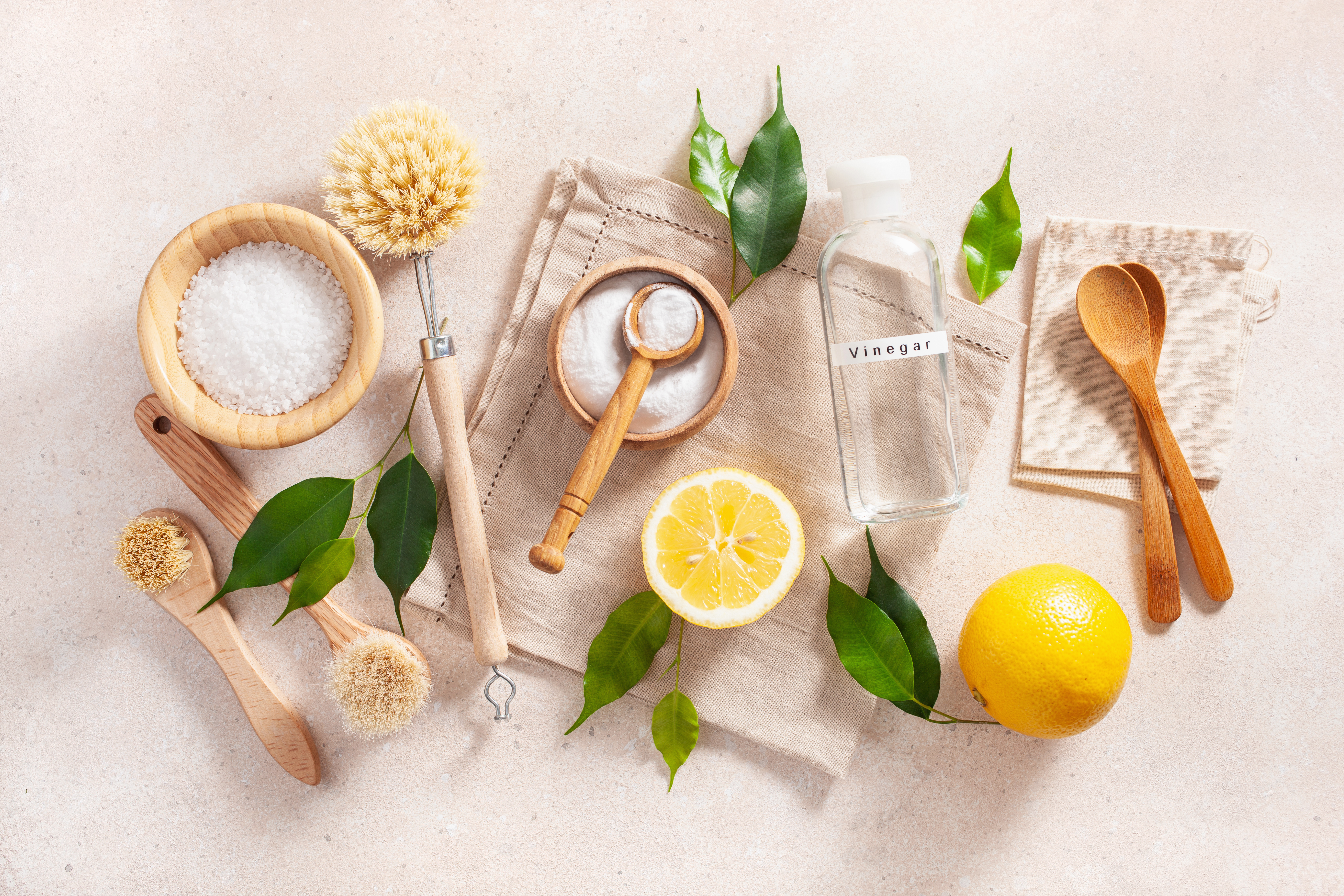
Now that you know the why, let’s dive into the how.
Discover the power behind the ingredients you already have.
Vinegar is a household staple with potent pest control abilities.
Its acidic nature makes it a formidable foe against ants and flies.
To use vinegar effectively, mix equal parts of water and vinegar in a spray bottle.
Spritz this solution around entry points like doors and windows to deter ants.
For fruit flies, a bowl filled with apple cider vinegar covered with plastic wrap (poked with holes) works wonders.
The flies are attracted to the smell but trapped by the wrap.
People often underestimate vinegar’s capacity as a pest deterrent.
Most assume it’s just a cleaning agent, but it’s also a shield against unwelcome guests.
Remember, the longer you wait to act, the more entrenched these pests become.
So why not try this simple solution today?
Baking soda is more than just a baking ingredient.
It’s a silent warrior against pests like cockroaches and bed bugs.
When ingested by these insects, baking soda reacts with their stomach acids, releasing carbon dioxide and causing them to perish.
Create a mixture of equal parts baking soda and sugar and sprinkle it in areas frequented by pests.
Surprised by this use of baking soda?
Most people are!
It’s a straightforward method that offers a cost-effective and safe alternative to pricey pest control products.
It’s a perfect example of how a common household ingredient can provide a powerful punch against pests.
Essential oils aren’t just for relaxation.
They pack a punch against pests, too. Peppermint oil is particularly effective against spiders and mice.
Mix a few drops with water and spray it around your home.
Lavender oil, on the other hand, deters moths and mosquitoes.
Dab some on cotton balls and place them in your closet or near windows.
These oils are a game-changer.
Many believe essential oils are purely for wellness, but their pest-repelling properties are just as remarkable.
With such a simple addition to your pest control routine, you can keep your space both fragrant and pest-free.

Armed with knowledge, it’s time to roll up your sleeves and craft your own pest solutions.
Creating your natural repellents is easier than you might think.
Here’s an easy guide:
Identify the Pest: Determine which pest is causing issues.
Choose the Right Ingredient: Use vinegar for ants, baking soda for roaches, or essential oils for a broader approach.
Mix and Apply: Blend your chosen ingredient with water or sugar, then apply it in targeted areas.
Crafting these solutions empowers you to take action and protect your home naturally.
Most people believe pest control must be expensive, but you can make effective solutions with minimal cost.
The best part about these DIY solutions is their safety.
Your family and pets can roam freely without the worry of harmful chemicals lingering around.
Plus, these methods are environmentally friendly, reducing your carbon footprint.
Your home should be a safe haven, free from the worry of pests or hazardous chemicals.
By adopting these natural methods, you ensure a healthier environment for everyone.
Remember, a safe home is a happy home, and these simple changes can make a significant impact.
In summary, natural pest repellents offer a safe, cost-effective, and environmentally friendly way to keep your home pest-free.
By tapping into the power of everyday kitchen ingredients, you can tackle pests head-on without relying on harsh chemicals.
Will you take the first step toward a pest-free life today?

Guide offers affordable, natural pest control for renters using safe, eco-friendly methods like sealing gaps, kitchen ingredients, essential oils, and...
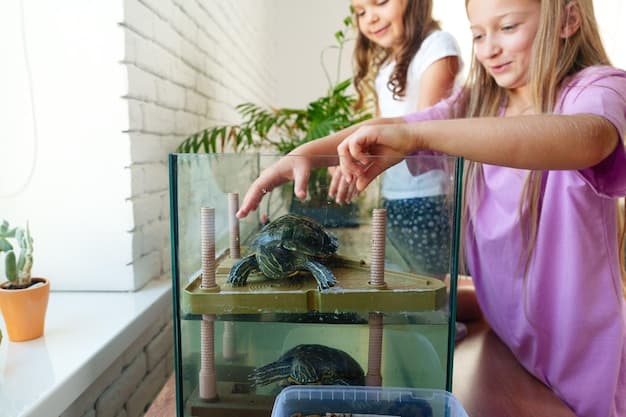
This guide details natural, reptile-safe pest control: identifying pests like snake mites and gnats, using bioactive helpers, predatory mites, natural...
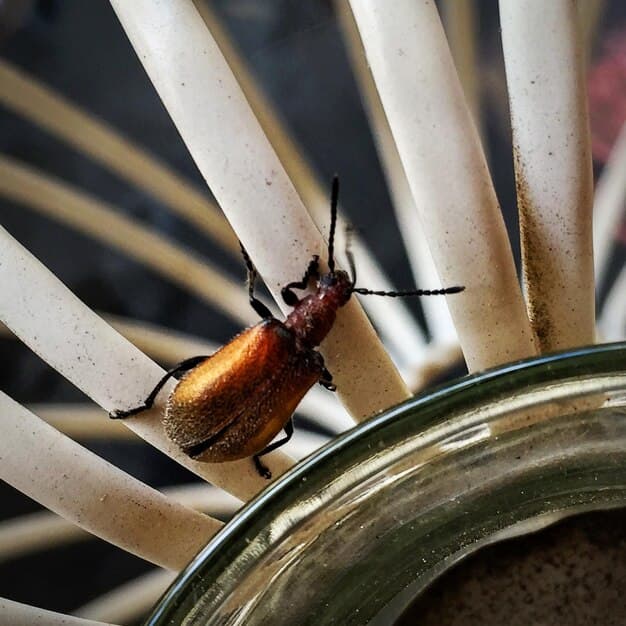
DIY guide offers safe, eco-friendly pest traps using household items like vinegar, sugar, yeast, and beer to control fruit flies, cockroaches, mosquit...

Learn eco-friendly pest control: use companion planting, attract beneficial insects, apply neem oil, soap sprays, diatomaceous earth, maintain garden ...
