
Pests don’t wait for permission—and dealing with them in a rental can feel like walking a tightrope.
You want natural pest control for renters that won’t harm your home or upset your landlord.
In this guide, you’ll find simple, affordable ways to keep your space pest-free using safe, kitchen-friendly ingredients and landlord-approved steps.
Let’s get you started on pest control that fits your rental lifestyle without stress. [https://www.peacecorps.gov/educators-and-students/educators/resources/making-natural-pest-controls/]
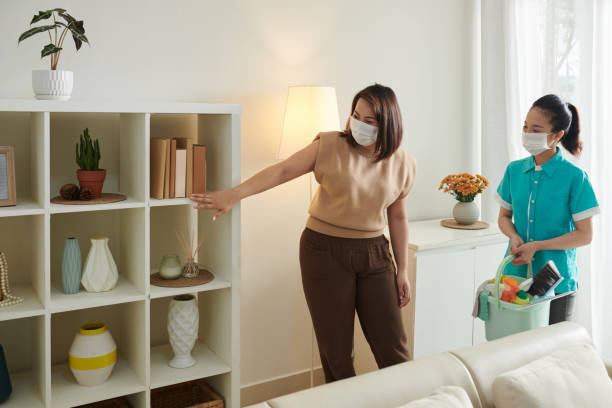
Keeping pests at bay in your rental doesn’t need to be tricky.
With a few eco-friendly tricks, you can protect your home and keep your landlord happy.
Let’s explore how you can make your space a pest-free zone without breaking the bank.
Start by sealing entry points.
Pests often sneak in through tiny gaps, so check around windows, doors, and even where pipes enter.
Use caulk or weather-stripping to block these openings.
This not only helps against pests but also keeps your energy bill down.
Next, consider your trash habits.
Regularly take out garbage and use bins with tight lids.
Pests are drawn to food waste, so keeping this under control is key.
Also, store food in airtight containers and clean up crumbs immediately.
A clean space is less appealing to bugs and rodents.
Finally, think about your home’s surroundings.
Trim back any plants touching your rental.
Plants can act as bridges for pests eager to explore your space.
Simple steps like these go a long way in preventing unwanted visitors.
Your furry friends deserve a safe home too.
When pests invade, finding solutions that protect pets is crucial.
Luckily, there are effective methods that won’t harm them.
For fleas, try salt.
Sprinkling salt on carpets and letting it sit for 48 hours dehydrates fleas.
Vacuum well afterward.
This natural method is pet-safe and costs pennies.
If you’re battling ants, mix equal parts vinegar and water in a spray bottle.
Ants hate vinegar’s strong smell.
Spray around entry points to deter them from coming in.
It’s safe for pets and leaves no toxic residue.
Remember, what works for one pest may not work for another.
Always research pet-safe options before using any product.
Your pets rely on you to keep them safe, and these methods ensure they stay protected.

Taking pest control into your own hands can be empowering.
With a few household items, you can tackle pests effectively.
Ready to roll up your sleeves?
Your kitchen holds many secrets for pest control.
One powerful tool is baking soda.
Mix it with sugar and place it in open containers.
The sugar attracts roaches, and the baking soda eliminates them.
It’s a simple, non-toxic way to keep critters at bay.
Another hero is lemon.
Ants and flies dislike its scent.
Wipe surfaces with lemon juice, or leave peels near entry points.
This not only deters pests but leaves your home smelling fresh.
Lastly, try cinnamon for keeping ants away.
Sprinkle it along windowsills and doorways.
Ants will avoid the area, giving you a natural barrier.
These easy tricks show that fighting pests doesn’t require harsh chemicals.
Spiders, while beneficial, can be unwelcome guests.
Essential oils offer a natural way to keep them outside.
Peppermint oil is particularly effective.
To create a repellent, mix 10 drops of peppermint oil with water in a spray bottle.
Spray in corners, around windows, and other spider-prone spots.
The strong scent drives spiders away but is pleasant to humans.
Lavender oil works similarly.
It not only repels spiders but also provides a calming aroma for your home.
Both oils are easy to find and safe to use around pets.
With these, you can enjoy a spider-free environment naturally.

Sometimes, you need stronger defenses against persistent pests.
Non-toxic solutions can provide the punch you need without harmful side effects.
Let’s dive into these powerful options.
Diatomaceous earth is a natural powerhouse against roaches.
This fine powder dehydrates insects, eliminating them without chemicals.
Sprinkle it in areas where roaches are seen, like under sinks and along baseboards.
Ensure it’s food-grade, safe for humans and pets.
Vacuum the powder after a few days and reapply if needed.
It’s a reliable way to tackle roaches without toxic sprays.
When ants invade, vinegar is your ally.
Its acidity disrupts their scent trails, confusing them.
Mix equal parts vinegar and water in a spray bottle.
Spray directly on ants and along their paths.
For fruit flies, create a trap with apple cider vinegar.
Pour some into a dish and cover with plastic wrap, poking holes in the top.
Flies are drawn in but can’t escape.
Simple yet effective.
These non-toxic methods ensure your home remains pest-free.
They protect your family and align with eco-friendly living.
Embrace these solutions and enjoy peace of mind in your rental space.
By implementing these strategies, you’re not just keeping pests out.
You’re making your home a safer, healthier place to live.
Remember, natural pest control doesn’t have to be costly or complicated.
With everyday items and a little effort, you can tackle pests head-on.
Happy pest-proofing!
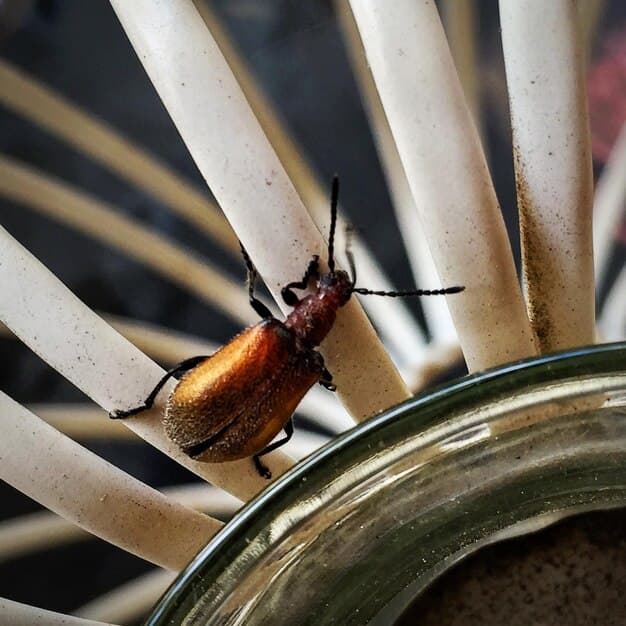
Understand pest behavior to spot early signs and block entry points using safe, eco-friendly methods like essential oils, sealing gaps, and natural re...

Use kitchen staples like vinegar, baking soda, cinnamon, coffee grounds, citrus peels, and salt for safe, eco-friendly, and effective DIY pest control...
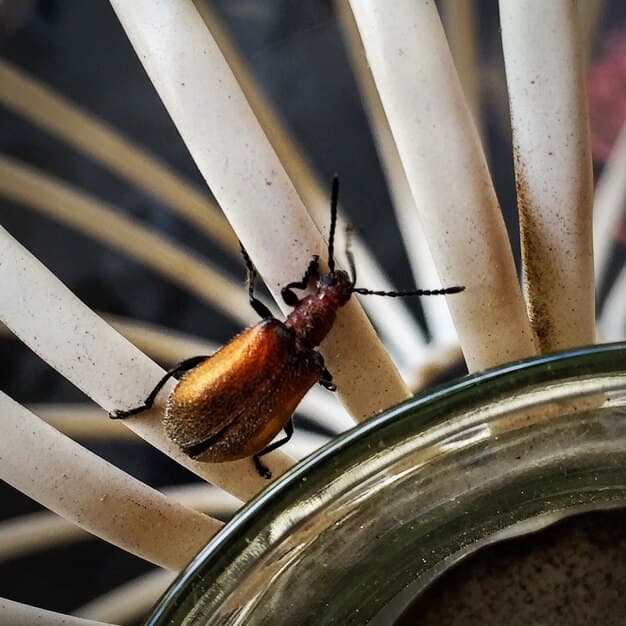
Excess home humidity attracts pests like cockroaches and dust mites. Reduce moisture naturally via ventilation, rock salt, charcoal, and eco-friendly ...
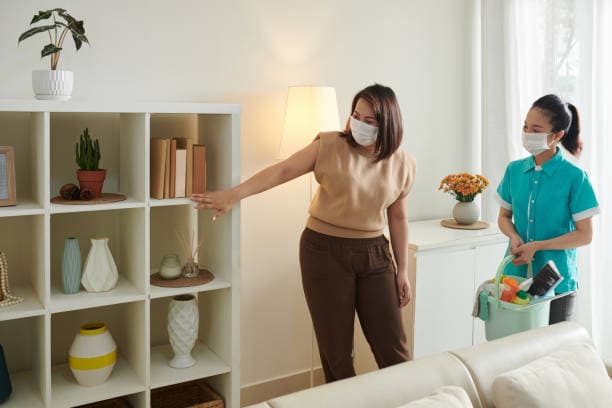
Natural pest control uses safe, eco-friendly methods like diatomaceous earth, neem oil, and essential oils to protect homes without harmful chemicals,...
