
Pests can turn your garden into a battleground before you even realize it.
You want a pest-resistant garden that keeps your plants healthy without using harsh chemicals.
This guide shares easy, eco-friendly pest control methods you can try using simple kitchen and garden ingredients.
Stick around to learn how to protect your garden naturally, safely, and affordably.
For more information on managing garden pests in a pollinator-friendly way, check this resource.
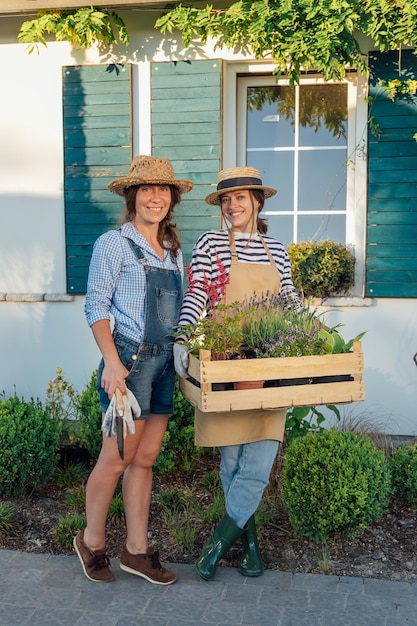
When it comes to protecting your garden, prevention is key.
You can start with eco-friendly pest control to keep your plants healthy and thriving.
This section will explore some simple yet effective methods to help you begin.
Did you know that some plants naturally protect each other?
Companion planting is all about pairing the right plants together.
It’s a smart way to keep pests at bay without using chemicals.
For example, planting marigolds with tomatoes can deter harmful insects thanks to the marigold’s natural properties.
You might wonder how this works.
It’s simple: certain plants release scents or substances that pests dislike.
This makes them excellent partners in your garden.
Plus, companion planting can enhance growth by optimizing soil nutrients.
It’s like having a built-in pest control system in your garden.
If you’re new to this concept, start small.
Try pairing basil with your tomato plants.
Basil can repel flies and mosquitoes, keeping your garden healthier.
For more tips on companion planting and its benefits, check out our eco-friendly pest management guide.
Not all insects are your garden’s enemies.
Some can be your best allies.
Ladybugs, for example, feast on aphids, which are notorious for damaging plants.
By attracting beneficial insects, you can maintain a balanced ecosystem in your garden.
Creating a welcoming habitat for these helpful bugs is easier than you think.
Plant flowers like daisies or sunflowers to attract them.
These flowers provide nectar and pollen, drawing beneficial insects into your garden.
The presence of ladybugs and lacewings can naturally reduce harmful pests, making your garden a safer space.
Keep in mind that diversity is vital.
A variety of plants will invite a range of beneficial insects, each playing a unique role in pest control.
For more ideas on attracting these garden friends, visit this informative blog.

Now, let’s dive into some hands-on solutions.
These DIY methods are perfect if you’re looking to tackle pests using what’s already in your kitchen or garden.
Neem oil is a natural wonder in pest control.
It’s derived from neem tree seeds and effectively repels a variety of pests.
You can create your neem oil spray by mixing two teaspoons of neem oil with a few drops of dish soap in a gallon of water.
Spray this mixture on affected plants in the evening to avoid harming beneficial insects.
Soap sprays are another excellent option.
They’re easy to make and work great on soft-bodied pests like aphids.
Combine one tablespoon of mild liquid soap with a quart of water, and spray directly onto the pests.
Remember, these methods are non-toxic, making them safe for your family and pets.
These sprays are cost-effective and easy to use.
The best part?
They can be stored for repeated use, offering long-term pest control without breaking the bank.
For more details on using neem oil and soap sprays, explore this informative guide.
Diatomaceous earth, a natural powder, is fantastic for pest control.
It’s made from fossilized algae and is safe for humans and pets.
This method works by dehydrating pests that come into contact with it.
Sprinkle it around garden beds to deter slugs, snails, and other pests.
Using diatomaceous earth is straightforward.
Just ensure you apply it when the soil is dry, as moisture can reduce its effectiveness.
Reapply after rain for continued protection.
This method is particularly effective against crawling insects, making it a valuable tool in your pest control arsenal.
By incorporating diatomaceous earth into your garden routine, you create a barrier that pests are reluctant to cross.
This keeps your plants safe without harsh chemicals.
Curious about other natural pest control tips?
Join the conversation in this community forum.
A healthy garden begins with strong foundations.
By focusing on soil and plant health, you can enhance your garden’s natural defenses against pests.
Keeping your garden clean is crucial.
Debris and fallen leaves can harbor pests and diseases.
Regularly removing these elements reduces the chances of infestations and keeps your garden looking neat.
Garden sanitation involves more than just cleaning.
It’s about maintaining balance.
Rotate your crops each season to prevent soil depletion and disrupt pest life cycles.
This simple practice can significantly reduce pest problems over time.
By prioritizing sanitation, you create an environment where pests struggle to thrive.
This proactive approach ensures your plants remain robust and resilient.
For more ways to maintain a clean and healthy garden, take a look at this eco-friendly guide.
Raised beds and mulch offer numerous benefits for pest control.
Raised beds improve drainage and soil quality, making it harder for pests to access your plants.
They also allow for better control over soil conditions.
Mulch, on the other hand, acts as a protective layer.
It retains soil moisture, suppresses weeds, and creates a barrier against pests.
Organic mulches like straw or wood chips enrich the soil as they break down, promoting healthier plant growth.
Incorporating raised beds and mulch into your garden can transform it into a pest-resistant haven.
These methods not only protect your plants but enhance their growth, ensuring a flourishing garden.
Ready to take your garden to the next level?
Explore more strategies at this eco-friendly resource.
By implementing these eco-friendly techniques, you’re not just protecting your garden; you’re building a sustainable environment for all its inhabitants.
Your plants will thank you with vibrant blooms and bountiful harvests.
Happy gardening!
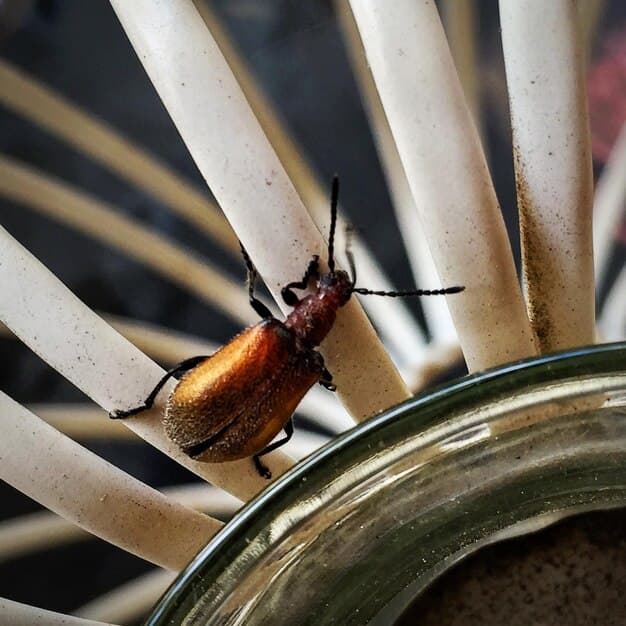
Understand pest behavior to spot early signs and block entry points using safe, eco-friendly methods like essential oils, sealing gaps, and natural re...

Use kitchen staples like vinegar, baking soda, cinnamon, coffee grounds, citrus peels, and salt for safe, eco-friendly, and effective DIY pest control...
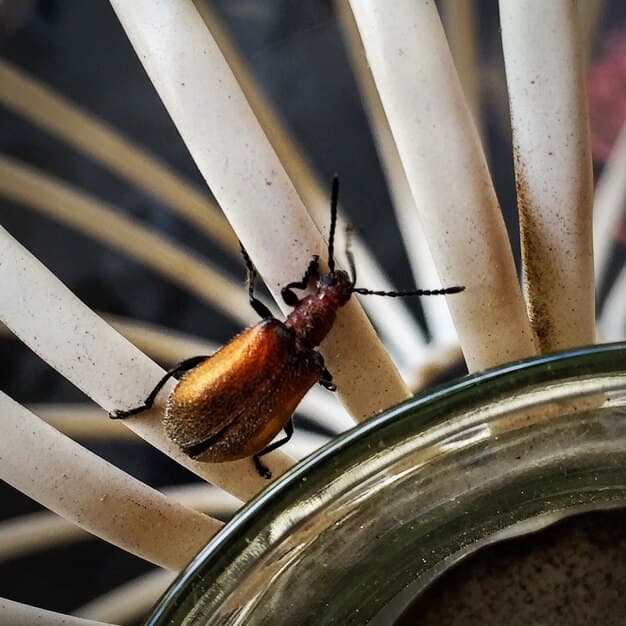
Excess home humidity attracts pests like cockroaches and dust mites. Reduce moisture naturally via ventilation, rock salt, charcoal, and eco-friendly ...

Natural pest control uses safe, eco-friendly methods like diatomaceous earth, neem oil, and essential oils to protect homes without harmful chemicals,...
