
Pests in your reptile’s habitat can multiply fast and cause harm before you even spot them.
Ignoring this risk puts your pet’s health and comfort on the line.
This guide will show you how to use reptile safe pest control methods to keep your enclosure clean, healthy, and free from unwanted visitors.
Ready to protect your reptile naturally and confidently? Learn more about keeping reptiles safe from pests here.
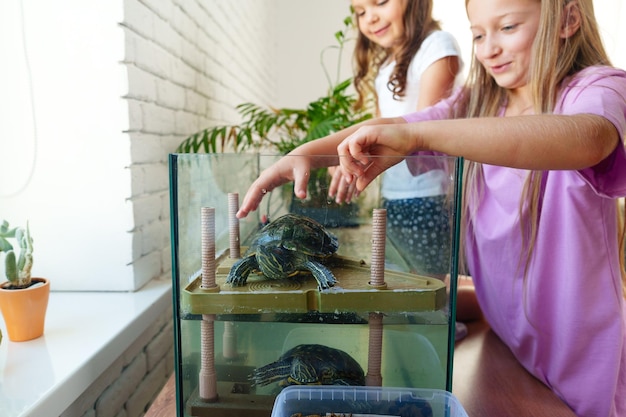
Keeping a close eye on your reptile’s habitat means knowing the signs of common pests.
This section will guide you through spotting those sneaky invaders.
Snake mites are tiny, but they can cause big problems.
You might notice your snake soaking more than usual.
These pests hide in scales, causing irritation and even illness.
Look for tiny black or red dots moving across your reptile’s skin.
If you suspect mites, act fast to prevent them from spreading.
Regularly check your snake’s environment and clean its enclosure to keep these pests at bay.
Gnats can be a nuisance in terrariums, but you can handle them safely.
First, identify where they’re breeding.
They usually love damp soil.
To tackle this, let the top layer of the soil dry out.
You can also use a simple apple cider vinegar gnat trap.
Place a small bowl of vinegar in the enclosure.
Cover it with plastic wrap, then poke holes in the top.
Gnats are drawn to the vinegar and get trapped.
Repeat this process until the gnats are gone.
Bioactive setups are great for reptiles, but they come with unique challenges.
Sometimes, beneficial insects can get out of control.
If you notice too many springtails or isopods, it might mean your terrarium conditions need adjusting.
Keep humidity and temperature in check to maintain balance.
If necessary, adjust the number of cleaning crew bugs to suit your habitat’s needs better.
Now that you can identify pests, let’s explore how to manage them with safe, natural strategies.
These approaches protect your reptile without harming its environment.
Keeping enclosures clean is crucial.
You can do this without chemicals.
Use vinegar mixed with water as a natural cleaner.
Spray the enclosure and wipe with a cloth.
This method is safe and effective at removing grime and odors.
For stubborn spots, sprinkle some baking soda before spraying the vinegar solution.
This will help lift dirt without any harsh residues.
Springtails and isopods aren’t just pests; they’re helpers too.
These creatures break down waste, keeping your terrarium tidy.
Introduce a healthy population of these critters to maintain cleanliness naturally.
They are great at controlling mold and decaying matter, ensuring your reptile’s habitat stays fresh.
Just ensure they don’t overpopulate by monitoring their numbers regularly.
Predatory mites can be your best allies in a mite invasion.
These beneficial mites eat the harmful ones.
Release them into your reptile’s enclosure and let them work their magic.
Ensure they have enough humidity to thrive.
These mites are harmless to reptiles and humans, making them an excellent natural solution for pest control.
After identifying and managing pests, keep them away for good with these maintenance tips.
Prevention is key, and these strategies will help you achieve a pest-free environment.
When introducing new reptiles, quarantine is essential.
Keep them separate for at least 30 days.
This period allows you to spot any hidden pests and treat them without risking your existing habitat.
Regularly check the new reptile for any signs of mites or gnats.
Quarantining isn’t just a precaution; it’s crucial for maintaining a healthy environment.
Proper conditions deter pests.
Ensure your reptile’s habitat has the right temperature and humidity levels.
Too much moisture can invite pests like gnats.
Use a hygrometer to monitor humidity.
Adjust lighting and ventilation to create a balanced environment.
By doing so, you not only keep pests away but also provide a healthier space for your reptile.
Mechanical controls, like sticky traps, can catch wandering pests without chemicals.
Place them strategically in your reptile’s enclosure, away from your pet’s reach.
These traps are effective for catching gnats and other insects.
Regularly change the traps to ensure they remain effective.
Using such methods keeps your habitat safe and pest-free.
By following these steps, you’re well-equipped to keep your reptile’s home safe and healthy.
Remember, natural methods are not only effective but also safer for your beloved pet.
With consistent care and vigilance, you can enjoy a pest-free environment.
If you have more questions or need guidance, feel free to explore resources like attracting amphibians and reptiles to your wildscape.
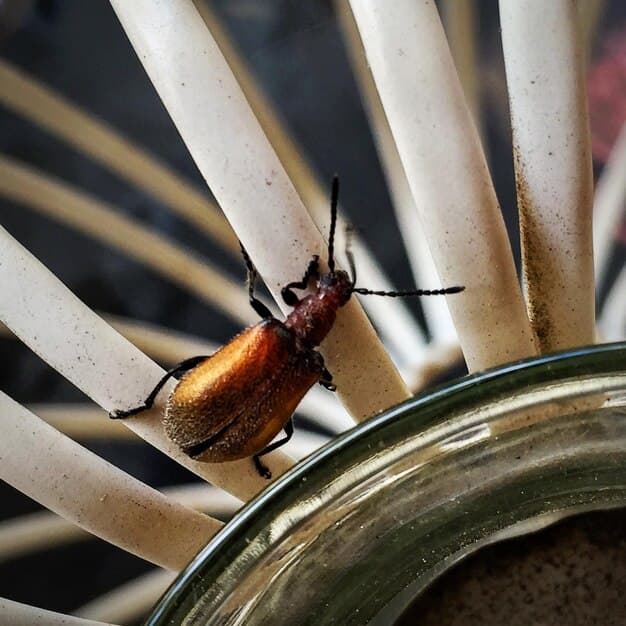
Understand pest behavior to spot early signs and block entry points using safe, eco-friendly methods like essential oils, sealing gaps, and natural re...

Use kitchen staples like vinegar, baking soda, cinnamon, coffee grounds, citrus peels, and salt for safe, eco-friendly, and effective DIY pest control...
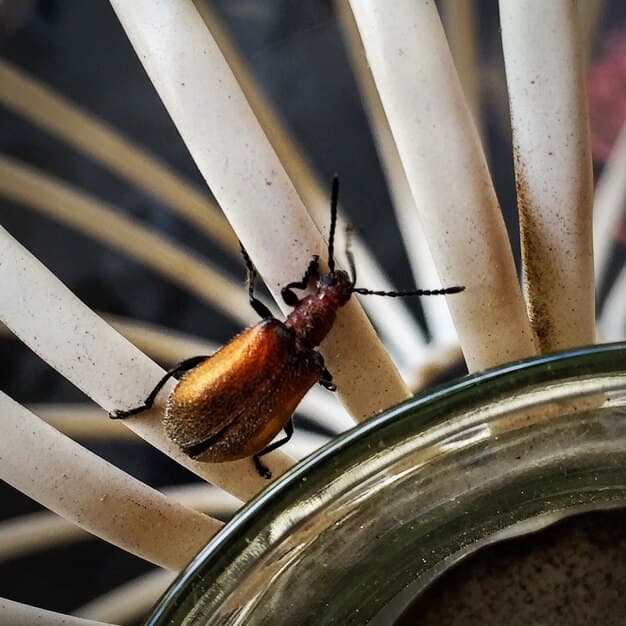
Excess home humidity attracts pests like cockroaches and dust mites. Reduce moisture naturally via ventilation, rock salt, charcoal, and eco-friendly ...
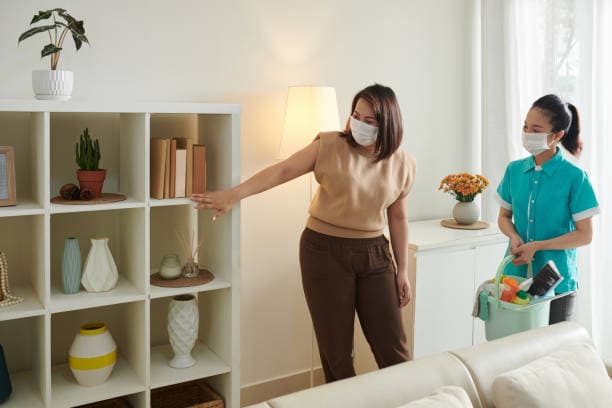
Natural pest control uses safe, eco-friendly methods like diatomaceous earth, neem oil, and essential oils to protect homes without harmful chemicals,...
