
Pests find the smallest cracks to sneak inside your home, turning your safe space into a battleground.
You want to stop them without harsh chemicals or costly treatments.
This guide shows you how to seal your home using natural pest control methods that are simple, affordable, and kind to the environment.
Ready to build strong home pest barriers with eco-friendly pest solutions?
Let’s get started with easy DIY pest prevention steps you can trust.
Check out more tips here.

Before diving into techniques, let’s understand why natural methods are your best option.
You can protect your home without harmful chemicals, ensuring your family and pets are safe from toxic substances.
Let’s explore the essentials of tackling common pests and the perks of eco-friendly solutions.
Every home faces its unique pest challenges.
Ants, spiders, and rodents often top the list.
Knowing which pests target your home is the first step toward effective prevention.
For example, ants are mostly after food crumbs, while spiders seek shelter in quiet corners.
Observing their patterns helps in choosing the right natural deterrents.
By identifying these invaders, you can tailor your approach effectively.
Most people think only harsh chemicals work, but simple kitchen ingredients can be just as effective.
You might be surprised to learn that peppermint oil is a fantastic spider repellent.
Understanding these little invaders helps you stop them before they become a problem.
Why choose natural over chemical?
Eco-friendly solutions are safe for everyone in your home, including pets.
Plus, they’re kinder to the environment.
Imagine removing pests without harming nature or compromising your safety.
Natural solutions often cost less, using items you already have.
For instance, vinegar can deter ants and clean surfaces at the same time.
Using nature’s tools not only keeps your home pest-free but also reduces chemical exposure.
Many believe stronger means better, yet gentle solutions often prove equally effective.
Embrace this approach for peace of mind and a healthy home environment.
Feeling confident?
Let’s move on to practical techniques you can start today.

Armed with basic knowledge, it’s time to act.
We’ll examine how to identify and seal entry points using common materials.
This proactive approach keeps pests out and protects your haven.
Finding where pests enter is crucial.
Check for cracks in walls, gaps around windows, and holes near pipes.
A tiny crevice can invite unwanted guests.
Start by inspecting your home’s exterior, looking for signs of wear.
Pay attention to door frames and window seals; these are common entry points.
Most people assume doors and windows are secure, but tiny gaps can invite trouble.
Once you spot these vulnerabilities, you’re ready to block them.
Keep in mind, pests are persistent, but your vigilance is stronger.
Identifying these areas is a critical first step in your pest control journey.
Now that you’ve identified entry points, it’s time to seal them.
Caulk is your best friend here.
It’s easy to apply and forms a solid barrier against pests.
For larger gaps, steel wool is effective, especially against rodents.
They can’t chew through it, making it an excellent choice for larger openings.
Did you know that certain scents repel pests?
Citrus peels can deter spiders, while cucumber slices are disliked by ants.
Utilizing natural materials not only keeps pests out but also aligns with your eco-friendly goals.
With these techniques, you’re building a strong fortress that pests can’t penetrate.
You’ve sealed entryways; now let’s build defenses.
Establishing barriers ensures pests won’t return.
Plus, we’ll cover long-term strategies for maintaining a pest-free home.
Creating physical barriers is key to ongoing protection.
Door sweeps block entry under doors, while mesh screens prevent bugs from accessing vents and windows.
These simple additions extend your home’s defenses.
Consider planting pest-repelling herbs like basil near entry points.
Their scent acts as a natural deterrent.
Barriers do more than just block; they fortify your home.
Most believe pest control stops at sealing gaps, yet barriers provide an extra layer of security.
Establishing these defenses keeps your home a step ahead of any pest invasion.
Finally, let’s ensure your home stays pest-free.
Regular maintenance is crucial.
Check seals and barriers every few months.
Keep your kitchen clean and free from food debris.
Store food in airtight containers and dispose of garbage promptly.
Did you know that trimming back bushes and trees can reduce pest access?
Keeping vegetation away from your home limits pathways for bugs.
A little effort goes a long way in maintaining a pest-free environment.
The longer you maintain these habits, the stronger your defenses will become.
Armed with this knowledge, you’re ready to take control and keep pests at bay for good.
For further reading on maintaining a pest-free home, check out this resource.
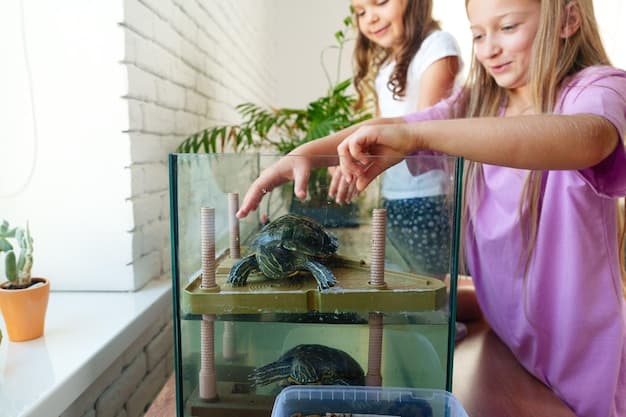
This guide details natural, reptile-safe pest control: identifying pests like snake mites and gnats, using bioactive helpers, predatory mites, natural...
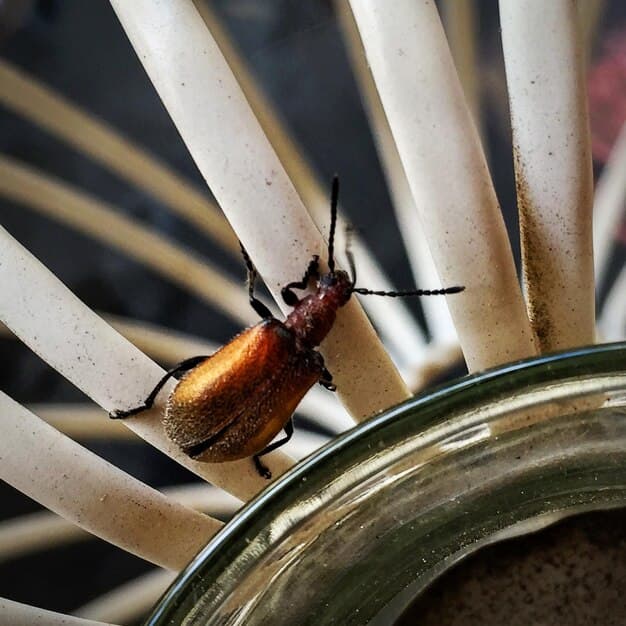
DIY guide offers safe, eco-friendly pest traps using household items like vinegar, sugar, yeast, and beer to control fruit flies, cockroaches, mosquit...

Learn eco-friendly pest control: use companion planting, attract beneficial insects, apply neem oil, soap sprays, diatomaceous earth, maintain garden ...

Guide to building a non-toxic garden pest barrier using natural materials, tailored layout, proper installation, seasonal maintenance, and companion p...
