
Pests don’t wait for permission to invade your garden.
You’ve tried sprays and traps, but nothing feels truly safe for your pets or plants.
Building a non-toxic garden pest barrier can keep unwanted visitors out without harsh chemicals—and it’s easier than you think.
In this guide, you’ll get clear steps to create your own eco-friendly garden protection that fits your space and lifestyle.
For more information, check out this helpful resource on making barriers.

Before you start building your garden pest barrier, it’s crucial to have a clear plan in place.
By understanding your garden’s unique needs, you can create a barrier that’s not only effective but also safe for your plants and pets.
Let’s explore what you need to consider.
Start by assessing your garden.
Observe which pests are most common and note any existing barriers like fences or walls.
Knowing your garden’s layout will help you decide where the barrier is needed most.
Consider the direction of prevailing winds and nearby vegetation, as these can influence pest entry points.
Remember, every garden is different, so tailor your barrier to your specific conditions.
Selecting the right materials is key to creating a non-toxic barrier.
Opt for natural options such as wood, stone, or metal, which won’t harm the environment.
Consider using hardware cloth or mesh as they are effective against small pests like rabbits and squirrels.
Look for materials labeled as pet-safe, ensuring they won’t pose a risk to your furry friends.
You can find more tips on choosing materials here.
Now, sketch out your barrier layout.
Decide on the height and thickness based on the types of pests you’re dealing with.
Consider using a combination of barriers for different pest sizes.
For instance, a tall fence can deter deer, while a lower mesh can stop rabbits.
Plan to leave enough space for plant growth and easy access for maintenance.
A well-thought-out layout will save you time and effort in the long run.
With your plan in place, it’s time to bring your barrier to life.
This section will guide you through the assembly process, ensuring your barrier is both effective and harmonious with your garden.
Begin by marking the perimeter of your barrier with stakes or string.
This will serve as your guide for installation.
Dig trenches for fence posts or lay down stones for a natural border.
If you’re using mesh, make sure it’s securely attached to posts to prevent sagging.
Regularly check that everything stays level and sturdy.
Proper installation is vital for keeping pests out while maintaining the aesthetic of your garden.
Spacing is crucial for a garden-friendly barrier.
Ensure there’s enough room between the barrier and your plants for growth and airflow.
Crowded plants can become stressed, making them more susceptible to disease.
Leave at least 6-12 inches between the barrier and plant stems.
This space allows for natural light and reduces the risk of pests using plants as a bridge into your garden.
For smaller pests, hardware cloth and mesh are excellent choices.
These materials should be installed tightly along the ground to prevent burrowing animals from sneaking underneath.
Secure the cloth or mesh with strong staples or nails.
Make sure it extends at least 6 inches underground for added protection.
This method is great for keeping out small critters while being gentle on your garden.
Creating your barrier is just the beginning.
To ensure your garden remains pest-free, regular maintenance is essential.
This section will cover how to adjust and care for your barrier throughout the year.
Seasons change, and so do the behaviors of pests.
In winter, you might need higher barriers to deter food-seeking deer.
Summer might require additional shading to prevent overheating.
Adjusting your barrier with the seasons ensures it remains effective year-round.
Regularly inspect for damage or wear and make necessary repairs promptly to maintain effectiveness.
Keeping your barrier in top shape doesn’t have to be time-consuming.
Regularly check for loose or damaged materials and fix them promptly.
Clear any debris that might have accumulated along the barrier, as this can provide a bridge for pests.
By dedicating a few minutes each week, you can keep your garden protected without hassle.
Companion planting is a natural way to boost your garden’s defense system.
Certain plants can repel pests while others attract beneficial insects.
For example, marigolds deter nematodes, while basil can ward off flies.
Incorporating these plants into your garden not only enhances its beauty but also strengthens your pest barrier.
Explore more about companion planting here.
By following these steps, you’ll create a garden that’s not only safe and beautiful but also a fortress against pests.
Embrace these eco-friendly practices and enjoy a thriving, chemical-free garden.
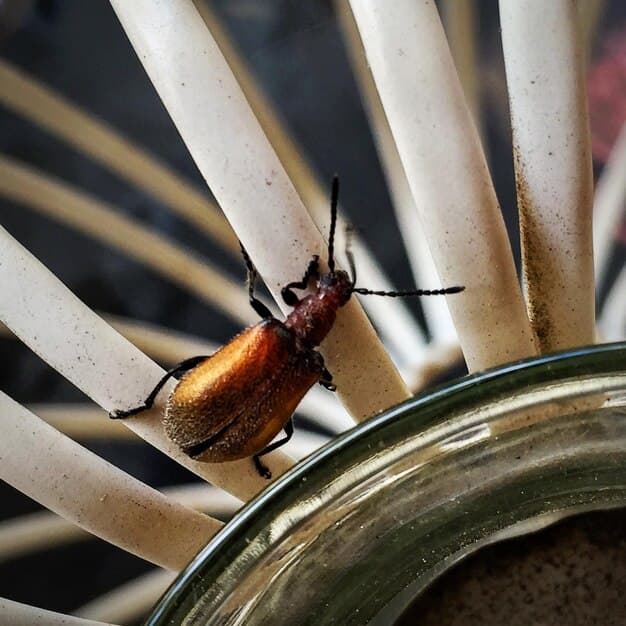
Understand pest behavior to spot early signs and block entry points using safe, eco-friendly methods like essential oils, sealing gaps, and natural re...

Use kitchen staples like vinegar, baking soda, cinnamon, coffee grounds, citrus peels, and salt for safe, eco-friendly, and effective DIY pest control...
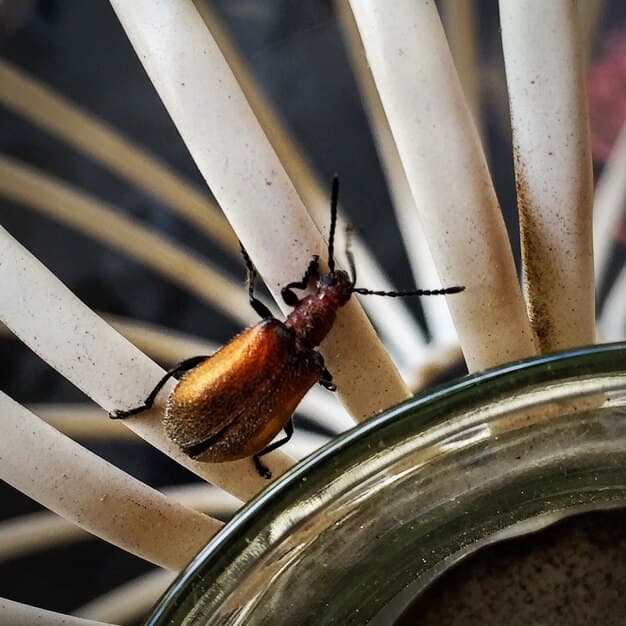
Excess home humidity attracts pests like cockroaches and dust mites. Reduce moisture naturally via ventilation, rock salt, charcoal, and eco-friendly ...

Natural pest control uses safe, eco-friendly methods like diatomaceous earth, neem oil, and essential oils to protect homes without harmful chemicals,...