
Spring gardening brings fresh growth and fresh challenges—especially when pests show up uninvited.
If you’re tired of chemicals and want to protect your plants naturally, setting up natural garden barriers is your best bet.
In this guide, you’ll learn practical steps to build physical and living barriers that keep pests out while staying safe for pets and pollinators.
Ready to defend your garden the eco-friendly way?
Let’s get started. https://www.gardenary.com/blog/the-complete-guide-to-garden-covers
When it comes to safeguarding your garden, physical barriers are an effective starting point.
These methods prevent pests from reaching your plants without using harsh chemicals.
Floating row covers act like a protective blanket for your plants.
They’re lightweight and let sunlight through while blocking pests.
Perfect for keeping insects like aphids away from your veggies.
Here’s how to use them:
Drape the cover over plants and secure the edges with stones or pins.
Leave some slack for plant growth but ensure there are no gaps for pests to slip through.
Tip: Combine these with hoop tunnels to create sturdy structures that withstand winds.
Learn more about using insect netting effectively here.
Slugs find copper tape irritating.
Place it around pots and raised beds to create an effective slug barrier.
Clean the surface for better adhesion.
Wrap the tape around the base of the plant container.
Quick Fact: Copper creates a mild electric charge that slugs dislike.
This eco-friendly pest control can save your greens from slimy invaders!
Cutworms target young plants, often cutting them at the stem.
Seedling collars are a simple solution.
Use toilet paper rolls or cardboard to make collars.
Place them around the base of seedlings, pushing slightly into the soil.
Pro Tip: Collars should stand at least 3 inches tall to deter cutworms effectively.
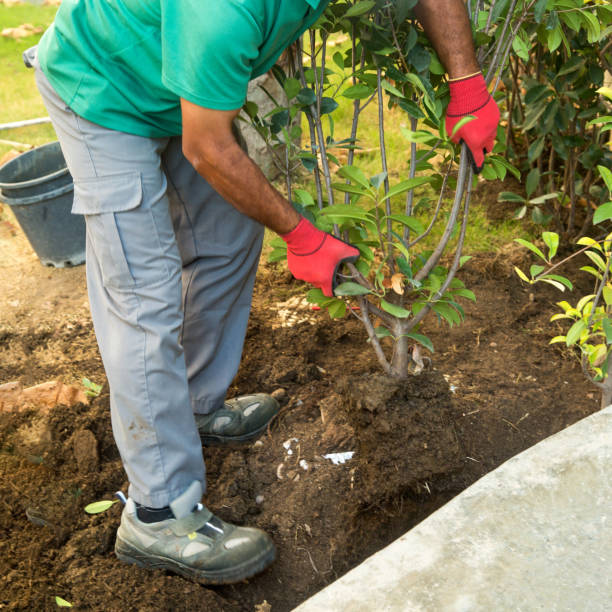
Living barriers are not only functional but also enhance your garden’s beauty.
These strategies use plants to protect other plants, creating a natural defense system.
Planting certain crops together can deter pests.
For instance, marigolds can repel nematodes, while nasturtiums deter aphids.
Pair tomatoes with basil to ward off flies and mosquitoes.
Grow carrots and onions side by side to confuse pests.
Strategy: Rotate these combinations yearly to maximize their pest-fighting potential.
Herbs like rosemary and mint not only flavor your dishes but also act as a natural pest deterrent.
Plant these around the perimeter of your garden.
Their strong scents confuse pests, keeping them at bay.
Gardening Insight: Most people think herbs are just for cooking, but they’re your secret weapon against garden invaders.
Trap crops lure pests away from your main plants.
Plant them at garden edges to attract insects.
Use radishes to trap flea beetles.
Grow collards to attract cabbage moths away from desired crops.
Success Story: A friend lost cabbage plants to moths last year.
This spring, trap crops turned the tide, sparing her main harvest.

While insects pose one challenge, larger critters require different strategies.
Wildlife exclusion techniques help keep your garden safe from furry and feathered pests.
Rabbits and deer can decimate a garden overnight.
Fencing is a reliable solution.
Install fences at least 2 feet high for rabbits.
For deer, aim for 8 feet or consider angled fencing.
Did You Know?: The longer you wait to install these, the more likely you’ll face a midnight munching session.
Critters like gophers and moles tunnel underground, damaging roots.
Hardware cloth can block their access.
Line raised beds or dig a trench around the garden.
Bury the cloth with edges above ground to prevent climbing.
DIY Tip: Use hardware cloth gophers can’t penetrate, ensuring root systems stay safe.
Birds pecking at your fruits and veggies can be a headache.
Bird netting offers a straightforward fix.
Drape netting over beds and secure it at the base.
Ensure it’s taut to prevent entanglement.
Community Insight: Check out this Reddit thread where gardeners share their best protective fencing tricks.
Empower your gardening journey by embracing these natural barriers.
Each method is designed to keep your garden thriving without resorting to chemicals.
By combining physical structures with living defenses, you create a robust system that benefits both your plants and the surrounding ecosystem.
Happy gardening!

Prepare for seasonal pests with safe, natural methods: use vinegar, baking soda, seal entry points, plant pest-repelling herbs, and employ pet- and re...

Affordable, natural pest deterrents for renters include cinnamon, lemon juice, peppermint oil, vinegar traps, diatomaceous earth, and essential oils. ...
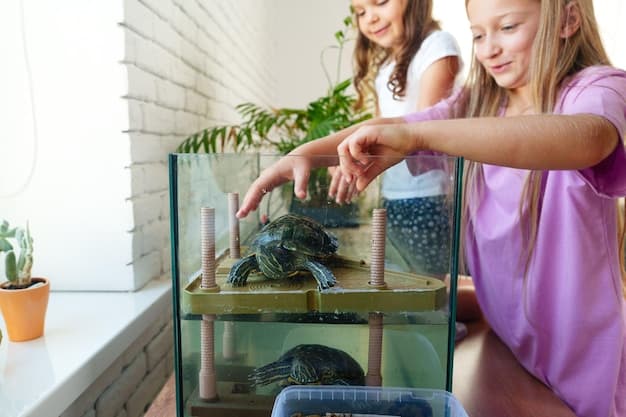
Guide to reptile-safe pest control: use natural, non-toxic methods like vinegar cleaning, herbs, diatomaceous earth, and safe traps. Avoid harmful che...
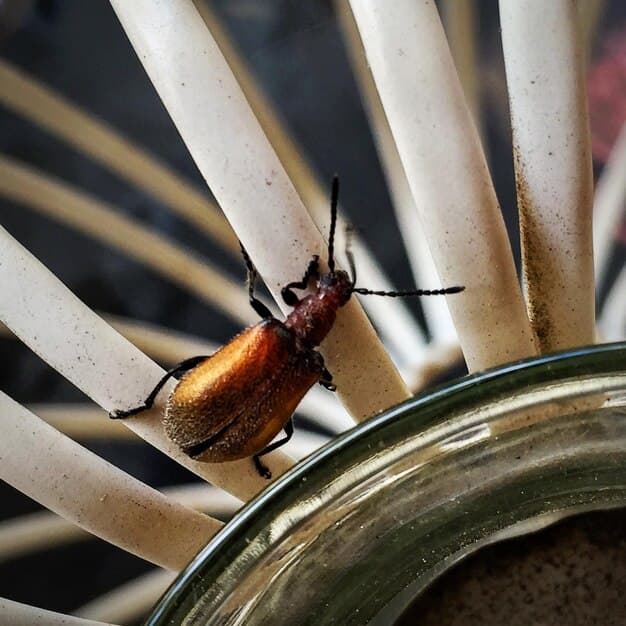
Understand pest behavior to spot early signs and block entry points using safe, eco-friendly methods like essential oils, sealing gaps, and natural re...
