
Pests don’t just appear out of nowhere—they leave clues in plain sight.
When you understand pest behavior, you can spot signs of pest activity early and block entry points before infestations take hold.
This guide shows you how to anticipate infestations and prevent them naturally using safe, eco friendly pest control methods that protect your home and pets.
Ready to take control?
Let’s start by reading those signs together. Learn more about safe pest control methods here.
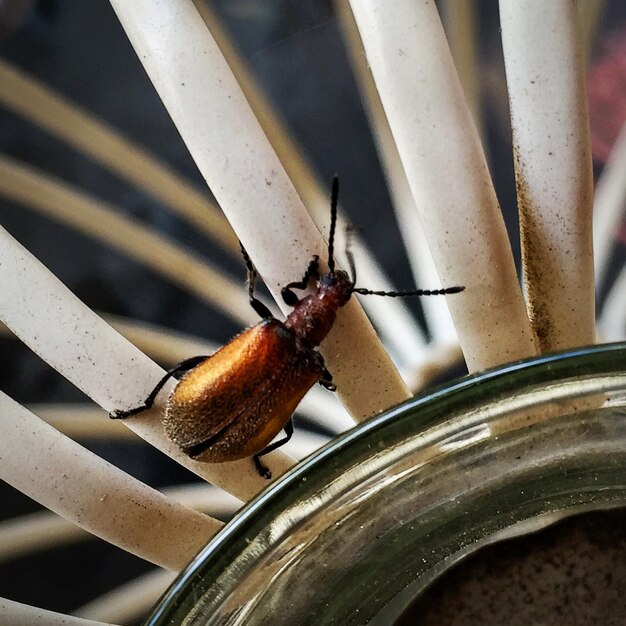
Understanding how pests think is the first step in keeping them away.
By observing their habits, you can stop problems before they start.
Let’s take a closer look at how pests use scent and space.
Did you know pests communicate with scents?
Ants, for example, leave trails to guide others to food.
You might see a line of ants marching indoors.
This isn’t random—it’s a scent trail leading to a sweet treat.
To disrupt these paths, clean surfaces with vinegar.
This natural cleaner removes the scent without harsh chemicals.
Tiny cockroaches leave similar scents.
They use them to find food and friends.
Placing fresh bay leaves or cloves in your pantry can keep them away.
These items block scents, leaving bugs confused and lost.
So, if you see a line of ants or a lone cockroach, remember: it’s not just a bug—it’s a sign.
Pests love dark, quiet places to nest.
Mice, for example, might choose your attic.
They look for warmth, food, and safety.
Listen for scratching sounds.
These can be signs of nesting.
To prevent this, seal holes with steel wool.
Mice can’t chew through it.
Spiders are another common guest.
They spin webs in corners.
To discourage them, clear clutter regularly.
Use peppermint oil spray; spiders dislike the smell.
This simple solution keeps them from settling in your home.
Remember, a tidy home is less inviting to pests.
Every home has weak spots.
These are entry points for pests.
Check around windows and doors.
A gap as small as a pencil width can invite insects inside.
Use caulk or weather stripping to seal these gaps.
It’s a simple fix that keeps bugs at bay.
Check your foundation for cracks.
Rodents can squeeze through tiny spaces.
Use mesh or cement to block these paths.
Regular checks can save you from bigger problems later.
Identifying these points is about being one step ahead.
Now that you know how pests think, let’s talk about keeping them out.
Natural methods are safe and effective for both your family and pets.
Here’s how you can protect your home.
Many store-bought solutions are harmful to pets.
But you don’t need chemicals to control pests.
Essential oils like citrus or lavender are not only pleasant to us but unappealing to pests.
You can spray these oils around entry points or in places where pests appear.
Another method is using diatomaceous earth.
This natural powder is safe for pets but deadly to insects.
Sprinkle it on carpets or in corners where bugs might hide.
It’s a pet-friendly way to maintain a pest-free home.
Sometimes, the best solutions are the simplest.
To prevent pests, start by removing what attracts them.
Keep food in sealed containers.
Crumbs are an open invitation.
Regularly take out the trash and clean bins to eliminate food sources.
Use a mixture of baking soda and sugar to deal with cockroaches.
The sugar lures them, and the baking soda eliminates them.
It’s an inexpensive solution using items from your kitchen.
Routine cleaning coupled with these tips can make a big difference.
Protecting the environment while managing pests is possible.
Integrated Pest Management (IPM) is one way to do this. Learn more about IPM here. It combines different strategies for long-term prevention.
It focuses on understanding pest life cycles and using natural solutions.
For pests like mosquitoes, using plants such as citronella in your garden can be effective.
These plants act as natural repellents.
Not only do they keep pests away, but they also add beauty to your garden.
Embracing these methods contributes to a healthier planet.

Each season brings its own pest challenges.
But don’t worry—there are natural ways to stay ahead of them.
Let’s dive into seasonal solutions.
Spring often sees a rise in ant activity.
They enter homes searching for food.
To prevent infestations, use a mix of water and vinegar to clean surfaces.
This disrupts their scent trails.
Another trick is sprinkling coffee grounds near entry points.
Ants dislike their smell and will avoid them.
If you spot ants inside, place a few cucumber peels along their path.
The bitterness deters them naturally.
These simple steps can keep your home ant-free in the spring months.
Summer evenings are perfect for outdoor relaxation, except when mosquitoes join.
To keep them away, plant marigolds and basil around your patio.
These plants repel mosquitoes and add color to your space.
For extra protection, create a homemade mosquito spray using essential oils like lemon eucalyptus.
Mix with water and spray on exposed skin.
It’s a non-toxic way to enjoy your evenings without those pesky bites.
Bed bugs can become a problem any time of year, but prevention is key.
Start by washing bedding regularly in hot water.
This removes any potential hitchhikers.
Vacuum your mattress and box spring often to catch any bugs before they settle.
When traveling, inspect hotel beds and keep luggage off the floor.
At home, use protective covers on your mattress.
These simple measures can prevent a bed bug invasion and give you peace of mind.
In conclusion, by understanding pests and using natural methods, you can keep your home safe.
Remember, the key is observation and action.
Watch for signs and apply these tips before pests become a problem.
Embrace these strategies to maintain a healthy, happy home.

Use kitchen staples like vinegar, baking soda, cinnamon, coffee grounds, citrus peels, and salt for safe, eco-friendly, and effective DIY pest control...
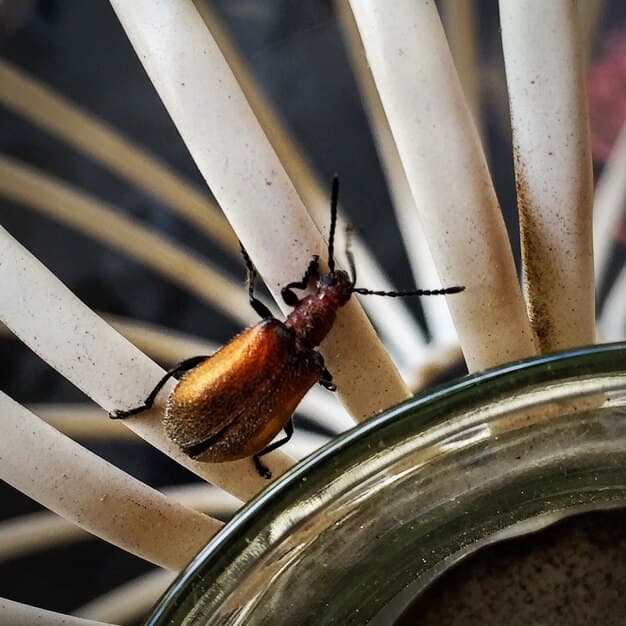
Excess home humidity attracts pests like cockroaches and dust mites. Reduce moisture naturally via ventilation, rock salt, charcoal, and eco-friendly ...
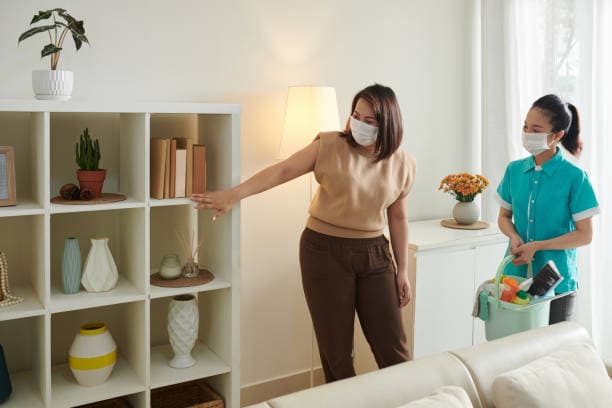
Natural pest control uses safe, eco-friendly methods like diatomaceous earth, neem oil, and essential oils to protect homes without harmful chemicals,...
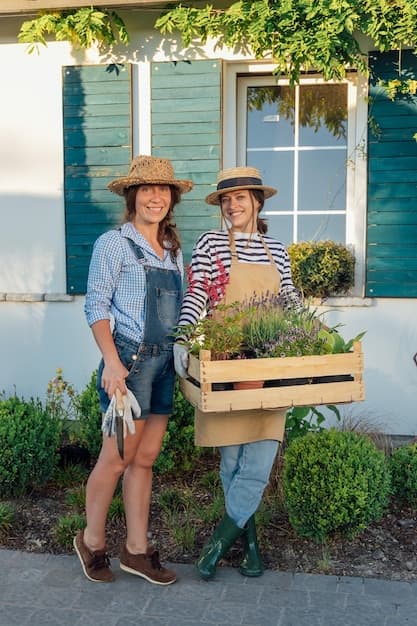
Prepare your home for pest season naturally by cleaning, sealing entry points, and using DIY remedies like baking soda, vinegar, essential oils, and d...
