
Seasonal shifts bring more than changing weather—they invite new pests into your home.
You may notice spring pests emerging or winter spiders seeking warmth inside.
Knowing what to expect with seasonal pest control helps you stay ahead using natural pest control methods that are safe for your family, pets, and garden.
Let’s explore simple, affordable ways to prepare your home and keep unwanted guests out all year long.
As winter fades, a range of pests begins to stir, eager to enjoy the warmer weather.
This is the perfect time to prepare your home and garden with natural pest control methods.
Spring brings more than just flowers and sunshine; it also ushers in a variety of pests.
You might see ants, aphids, and the dreaded termites starting to appear.
These pests are not just a nuisance; they can damage your home and garden.
But before you panic, remember that there are simple, non-toxic ways to deal with them. Natural pest control methods are effective and safe for everyone in your household.
Keep an eye out for early signs of infestation, such as ant trails or termite wings, to tackle the problem before it grows.
Your kitchen holds more than just ingredients for meals.
It also stores powerful remedies against pests.
For instance, you can use vinegar as a natural deterrent.
Mix equal parts of water and vinegar in a spray bottle and apply it to areas where you notice pests.
Another fantastic option is baking soda.
Sprinkle it in areas where pests might enter, such as doorways and windowsills.
These easy-to-find items can be your first line of defense, keeping your home pest-free without harmful chemicals.
Want to keep pests away before they even enter your home?
Start by sealing cracks and crevices around doors and windows.
This simple step can block pests from finding their way in.
Regularly check and clear your gutters to prevent standing water, which attracts bugs.
Don’t forget about your garden: plant pest-repelling herbs like basil and mint.
Not only will these herbs add flavor to your dishes, but they will also deter unwanted guests.
Consistency in these practices is key to maintaining a pest-free environment.

With summer heat, ants become particularly active, searching for food and water.
Understanding their behavior can help you manage them effectively with eco-friendly methods.
Spotting ant nests early can save you lots of trouble.
Look for small piles of dirt or sand around your home—these could be entrances to their underground homes.
Knowing the type of ants you’re dealing with can also be beneficial.
While some might just be a nuisance, others, like carpenter ants, can cause damage to wood structures.
If you’re unsure, consider consulting a professional for identification.
Once you know where they are, you can apply targeted natural pest control methods.
Ants hate the smell of vinegar, making it an excellent natural deterrent.
Mix vinegar and water in a spray bottle and apply it to surfaces where ants are active.
This not only deters ants but also helps eliminate their scent trails, which they use to navigate.
Be sure to reapply regularly, especially after cleaning or when you notice new ant trails.
This simple solution is cost-effective and free from harmful chemicals, making it ideal for households looking to prevent pests naturally.
For those with pets, ensuring that your pest control methods are safe is crucial.
Consider using diatomaceous earth around entry points.
This natural powder is safe for pets but deadly to insects.
When ants come into contact with it, the powder dehydrates them.
Ensure it’s food-grade and keep it in areas where pets won’t inhale it directly.
Another option is essential oils like peppermint or tea tree oil.
Dilute them with water and spray in areas where ants frequent.
These methods offer peace of mind, keeping both your home and pets safe from harm.
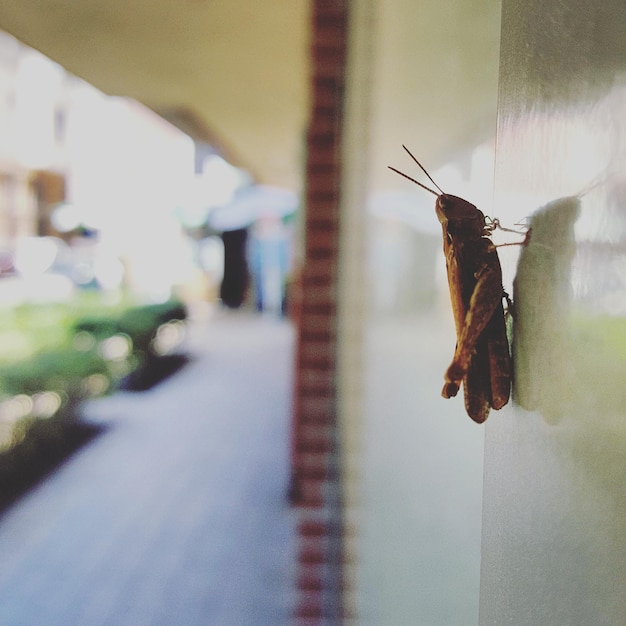
As temperatures drop, rodents seek warmth and shelter, often inside homes.
Preparing for this seasonal shift can protect your space effectively.
Rodent-proofing your home is the first and most crucial step.
Inspect your home for potential entry points.
Mice can squeeze through tiny gaps, so seal openings with steel wool or caulk.
Place weather stripping around doors and windows to eliminate gaps.
Ensure your attic and basement are clutter-free, reducing hiding spots for rodents.
By taking these preventative measures, you’re creating a barrier that keeps rodents out and maintains a safe, comfortable home environment.
If you’re seeking cost-effective solutions, try homemade traps.
Peanut butter on a simple snap trap can be highly effective.
Alternatively, create DIY traps using common household items.
For example, fill a bucket with a few inches of soapy water and place a baited plank leading up to it.
Rodents will be drawn to the bait and fall into the water.
These methods are budget-friendly and avoid the need for toxic chemicals, aligning with eco-friendly pest control practices.
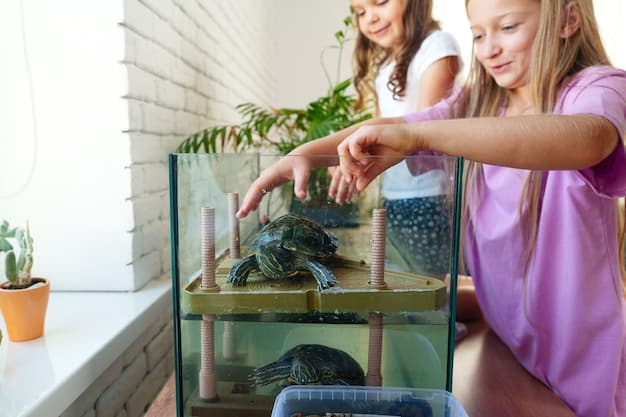
For reptile enthusiasts, keeping pests at bay without harming your scaly friends is important.
Avoid chemical-based solutions that could harm them.
Instead, use natural barriers like cedar chips around enclosures, which deter pests naturally.
Regularly clean and maintain your reptile’s habitat to prevent infestations.
Keeping food sealed and removing any uneaten portions promptly will also help.
These practices not only ensure your reptiles’ safety but also contribute to a healthier home environment overall.
By understanding the seasonal habits of pests and employing these natural strategies, you can maintain a safe and pest-free home.
Take action now, and enjoy peace of mind knowing that your family and pets are protected year-round.
Guide to natural garden pest barriers: use physical covers (row covers, copper tape, seedling collars), companion planting, aromatic herbs, trap crops...

Affordable, natural pest deterrents for renters include cinnamon, lemon juice, peppermint oil, vinegar traps, diatomaceous earth, and essential oils. ...
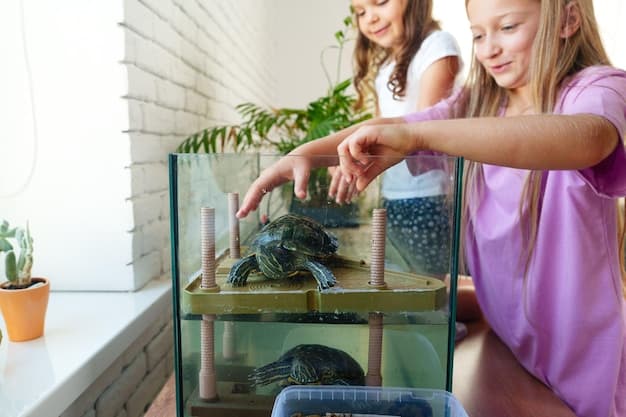
Guide to reptile-safe pest control: use natural, non-toxic methods like vinegar cleaning, herbs, diatomaceous earth, and safe traps. Avoid harmful che...
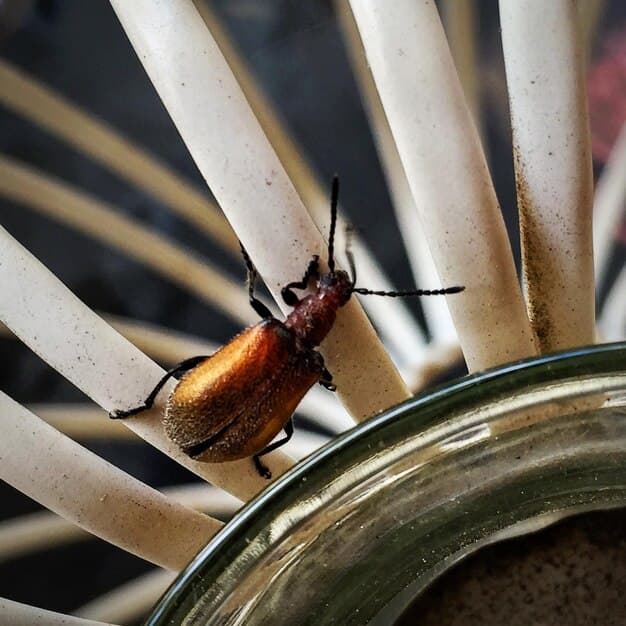
Understand pest behavior to spot early signs and block entry points using safe, eco-friendly methods like essential oils, sealing gaps, and natural re...