
Pests can sneak into reptile habitats without warning, putting your pet’s health at risk.
Keeping your enclosure pest-free means more than just cleaning—it requires safe, natural pest control tailored to reptiles.
This guide will show you how to protect your lizard or snake from common household pests using simple, non-toxic methods that work well in and around their space.
Learn more about creating a healthy environment for your reptiles here.
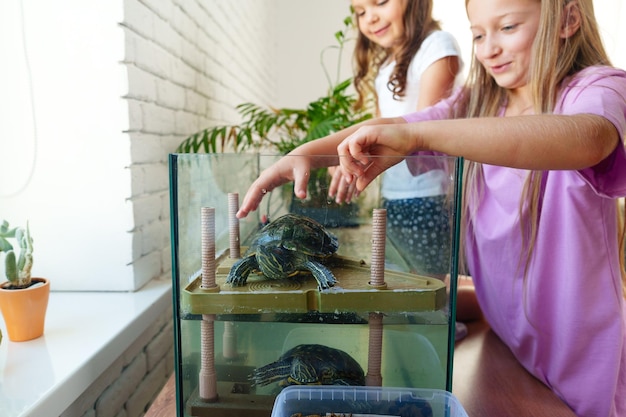
Creating a safe space for your reptiles involves more than just placing them in a tank.
It’s about ensuring their environment is free from harmful pests.
Here’s what you need to know to make their habitat both safe and pest-free.
When setting up a reptile habitat, some actions are critical to ensure safety. Do use secure lids to prevent escapes and keep pests out. Don’t use chemicals that might harm your pet.
Stick to natural materials like untreated wood and clean rocks.
Keep the environment dry to deter pests like mites and mold.
Remember, most people think a simple cleaning is enough, but maintaining a pest-free space requires consistent effort.
Use these tips to ensure your reptile’s environment remains healthy and safe.
Natural pest control is key to a healthy reptile habitat.
Use items like vinegar and water to clean surfaces safely. 1 part vinegar to 3 parts water makes a good natural cleaner.
Avoid harsh products; they can leave residues harmful to reptiles.
Another method is using herbs like mint or basil.
Place them near the enclosure to act as natural repellents.
These plants not only repel pests but are also safe if your reptile gets curious.
Roaches can be stubborn pests.
Instead of chemical traps, try natural alternatives.
A simple mix of sugar and baking soda can act as a bait.
Place it in shallow dishes around the enclosure’s exterior.
For those seeking more solutions, using sticky traps outside the habitat can catch wandering roaches.
Always check these traps to ensure they don’t attract more pests than they catch.

Routine maintenance is vital for keeping pests at bay.
Regular cleaning prevents infestations and ensures your reptile’s health.
Let’s break down a simple cleaning routine to keep your pet’s environment spotless.
Start by removing your pet and all items from the enclosure.
Use a mild soap solution to scrub surfaces, then rinse thoroughly.
Dry everything before placing it back. Weekly cleaning helps prevent bacteria and pest build-up.
Regular cleaning is not just about hygiene.
It’s also a chance to inspect for any signs of pests.
Keep your eyes peeled for droppings or tiny insects that might indicate an infestation.
Diatomaceous earth is a natural way to control pests.
Use food-grade varieties to ensure it’s safe for your reptiles.
Sprinkle it lightly in areas where pests are spotted, such as around the enclosure’s base.
This natural powder works by dehydrating pests, making it an effective, non-toxic solution.
Be cautious and use it sparingly to avoid respiratory irritation in your pets.
Ants can be tricky to manage, but there are pet-safe methods. Cinnamon powder can be used as a barrier.
Sprinkle it around the enclosure to deter ants.
Its strong smell confuses their scent trails.
Alternatively, you can use vinegar.
Wipe surfaces with a vinegar solution to keep ants at bay.
This method is safe and effective, providing a chemical-free approach to pest management.
Eco-friendly pest control ensures the safety of your reptiles and the environment.
These tips will help you manage pests without harmful chemicals, focusing on natural solutions.
Essential oils are popular for pest control, but they can be harmful to reptiles.
Avoid using them near your pet’s habitat.
Some oils, like tea tree and eucalyptus, are especially toxic.
Instead, focus on other natural methods mentioned earlier.
Safe alternatives ensure your reptiles remain healthy while keeping pests away.
For more information, check out this guide.
Your kitchen holds many ingredients for natural pest control.
Vinegar, baking soda, and sugar can be used to create safe pest traps and deterrents.
For instance, a baking soda and sugar mix is great for roaches.
Another tip is using lemon juice to clean surfaces.
Its acidity repels insects and leaves a fresh scent.
Focus on these simple, everyday items to keep your reptile’s home pest-free.
Fruit flies can be a nuisance in reptile enclosures.
Use a simple trap: mix apple cider vinegar with a drop of dish soap in a cup.
The vinegar attracts flies, and the soap breaks the surface tension, trapping them.
Another trick is to keep fruit and other food items sealed tightly.
Reducing food exposure minimizes the chances of attracting these pests.
These easy methods ensure your terrarium stays clear of fruit flies.
Incorporating these tips and strategies will help you build a safe, pest-free environment for your reptiles.
For more information on managing bugs in reptile enclosures, visit this resource.
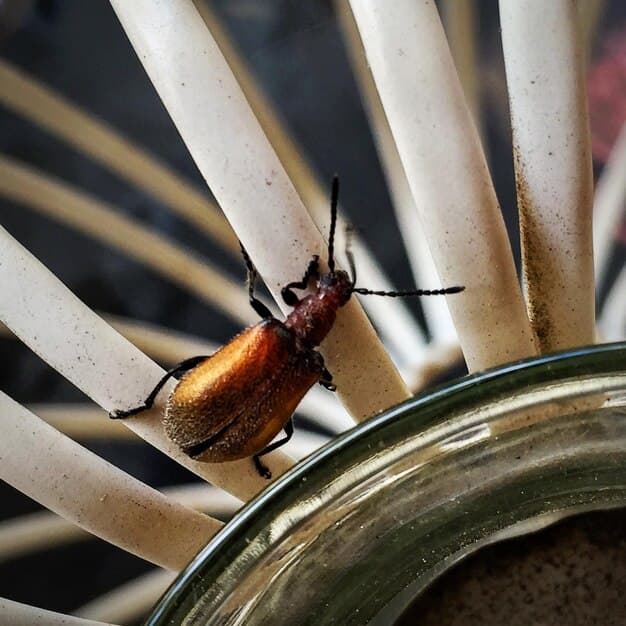
Understand pest behavior to spot early signs and block entry points using safe, eco-friendly methods like essential oils, sealing gaps, and natural re...

Use kitchen staples like vinegar, baking soda, cinnamon, coffee grounds, citrus peels, and salt for safe, eco-friendly, and effective DIY pest control...
Excess home humidity attracts pests like cockroaches and dust mites. Reduce moisture naturally via ventilation, rock salt, charcoal, and eco-friendly ...
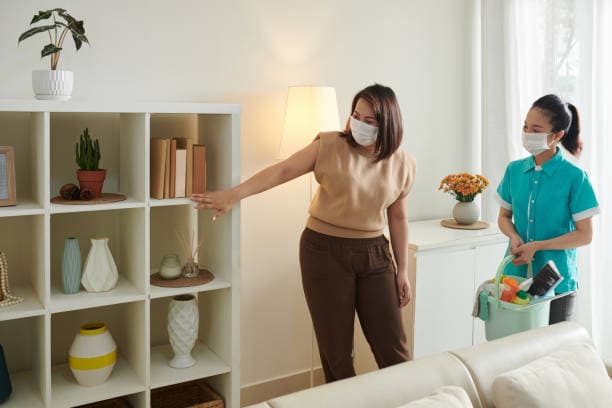
Natural pest control uses safe, eco-friendly methods like diatomaceous earth, neem oil, and essential oils to protect homes without harmful chemicals,...
