
Pests can invade your reptile’s home faster than you expect.
Many traditional treatments put your pet’s health at risk.
This guide shows how reptile-safe pest control keeps habitats clean using natural, chemical-free methods.
You’ll learn smart ways to prevent mites, ants, and fruit flies without harsh toxins—and protect your scaly friends at the same time.
For more information, check out this eco-friendly pest control guide.
Keeping your reptile’s habitat free from pests is crucial for their health.
Let’s explore natural methods that protect without harmful chemicals.
Imagine a world where you don’t worry about pests harming your reptile.
You can achieve this with reptile-safe pest control.
These methods use natural ingredients that deter pests without endangering your pet.
For example, using sticky traps can help manage ants or fruit flies.
Position them near entry points to catch pests before they enter the enclosure.
It’s an effective way to maintain a clean habitat without chemicals.
Another method involves creating barriers.
Use small amounts of diatomaceous earth around the terrarium edges.
This powder, made from fossilized algae, dehydrates insects, stopping them in their tracks.
Remember to keep it outside the enclosure to prevent accidental ingestion by your critters.
These techniques offer a safe solution for your pets.
Non-toxic methods are a game-changer for keeping terrariums pest-free.
Consider natural sprays made from diluted vinegar.
They repel pests without harming your pet.
Spray lightly around the outside of the enclosure, avoiding direct contact with your reptile.
This approach helps in controlling mites and other tiny invaders.
Next, focus on habitat cleanliness.
Regular cleaning with safe products can prevent infestations.
Use vinegar mixed with water to wipe down surfaces.
Always rinse thoroughly to avoid any residue.
This simple routine can make a big difference in keeping pests at bay.
A clean habitat is the first line of defense against pests.
Start by removing uneaten food promptly.
Leftovers attract ants and fruit flies, creating a breeding ground for pests.
Ensure water dishes are clean and fresh to prevent bacteria growth.
These small steps contribute significantly to a pest-free environment.
Ventilation is also key.
Proper airflow reduces humidity levels, which can attract mites and other pests.
Ensure your enclosure has adequate ventilation by adjusting the covering or using a mesh lid.
Regular checks and maintenance are essential in sustaining a healthy habitat.
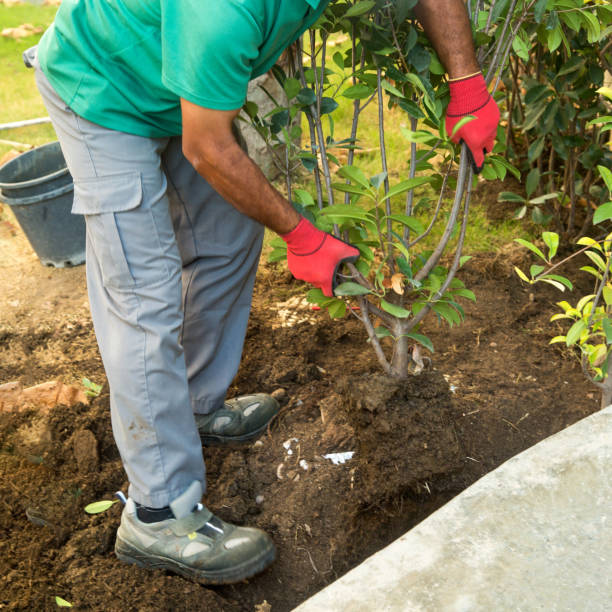
Pests often originate from the surrounding environment.
By managing outdoor areas, you can further protect your reptile’s home.
Using diatomaceous earth outdoors creates a protective barrier.
Sprinkle it around the perimeter of your reptile’s habitat.
This natural powder is safe for pets and deadly to pests.
As insects cross the barrier, they dehydrate, reducing the chance of them entering the enclosure.
Keep it dry for maximum effectiveness.
Reapply after rain or heavy winds to maintain its protective qualities.
This eco-friendly method is a great addition to your pest management plan.
Sticky traps are a simple yet effective way to catch pests before they enter.
Place them strategically around the terrarium, focusing on potential entry points.
They work well for crawling insects like ants and spiders.
These traps provide a visual cue of pest activity, helping you adjust your strategies as needed.
Regularly check and replace traps to keep them functioning efficiently.
This proactive approach keeps your reptile’s habitat undisturbed.
Explore natural deterrents that keep pests at bay.
Essential oils can be effective, but caution is needed as some are harmful to reptiles.
Instead, consider safe options like planting herbs around your home.
Herbs such as mint and basil have pest-repelling properties.
Utilize these plants in your garden to create a natural barrier.
Their aroma deters insects, providing an additional layer of protection for your reptile’s outdoor environment.
Incorporating these natural solutions helps maintain a safe space for your pet.
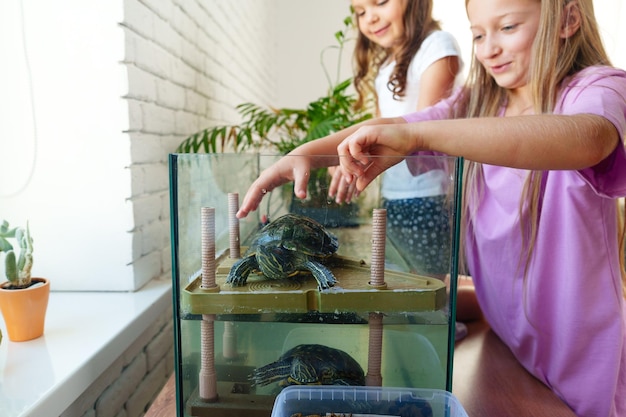
Consistent cleaning and preventive measures are vital in maintaining a pest-free environment.
Cleaning your reptile’s enclosure with natural products keeps it safe and hygienic.
Use a mix of water and vinegar for regular clean-ups.
It’s effective against bacteria and mites.
Always rinse thoroughly to ensure no traces are left behind.
For stubborn spots, use baking soda.
It’s gentle yet powerful, perfect for scrubbing without scratching surfaces.
Regular cleaning prevents build-up that attracts pests, keeping your reptile healthy and happy.
Vinegar is a versatile cleaning agent that’s safe when used correctly.
Use a solution of one part vinegar to three parts water.
This mixture effectively cleans and disinfects without chemicals.
Apply with a soft cloth, then rinse well to prevent residue.
This routine keeps your tank sparkling clean, minimizing pest attraction.
Remember to clean regularly to maintain these benefits.
Quarantine is crucial if you suspect mites.
Isolate affected reptiles to prevent spreading.
Set up a simple quarantine space with basic necessities.
During this period, clean the original enclosure thoroughly.
Use natural treatments like mineral oil to smother mites on your reptile.
This process takes patience but ensures a thorough elimination of pests.
Always consult a vet for persistent issues to ensure your reptile’s health.
By implementing these strategies, you can create a safe, pest-free environment for your reptile.
Each step contributes to a healthier habitat, ensuring your pet’s well-being without harmful chemicals.
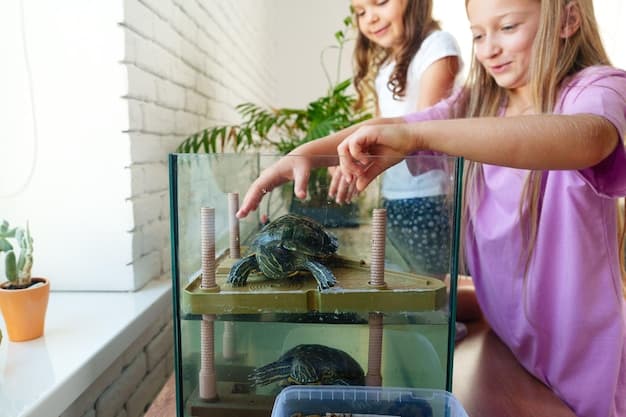
Learn natural, reptile-safe pest control: use food-grade diatomaceous earth outside enclosures, water-filled leg moats for ants, vinegar cleaning, sub...

This checklist offers natural, safe, and affordable spring pest prevention tips for homeowners, including sealing entry points, using kitchen ingredie...
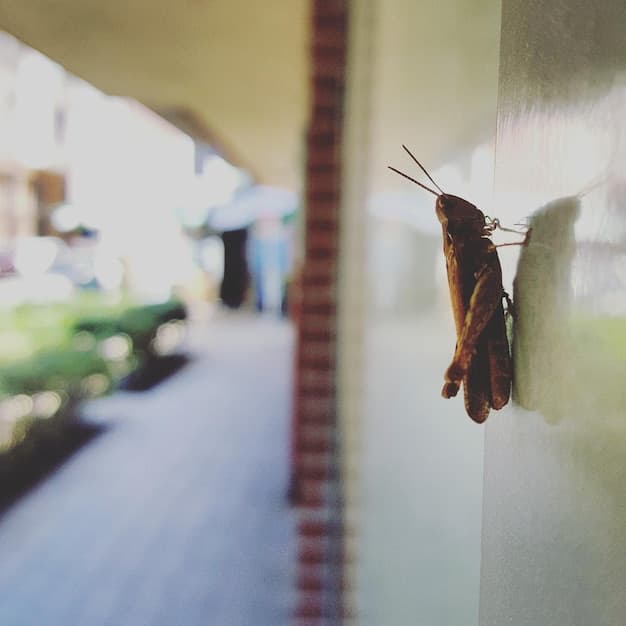
Pests return due to hidden food, moisture, unsealed entry points, and weather. Break the cycle naturally using sealed gaps, moisture control, natural ...

Spring pest prevention uses natural, pet-safe methods like essential oils, vinegar sprays, sealing entry points, moisture control, and companion plant...
