
Pests invading your reptile’s enclosure can feel overwhelming, especially when harsh chemicals threaten their health.
You want to keep your terrarium clean and safe without risking your pet’s well-being.
In this guide, you’ll learn simple, natural reptile-safe pest control methods that protect your reptiles while keeping your home pest-free.
Download our free checklist and get ready to take charge with easy, affordable steps. Learn more here.
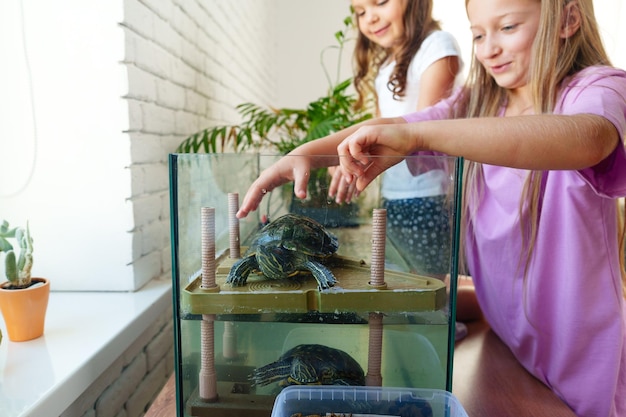
Keeping your reptiles safe starts with creating natural barriers to pests.
You can use simple methods to deter unwanted visitors without harming your scaly friends.
One effective way to naturally protect your reptile’s enclosure is by using diatomaceous earth.
This fine powder is made from crushed marine fossils.
It works by dehydrating tiny pests like mites and ants.
To use it safely, sprinkle a thin layer around the outside of the enclosure.
Be careful not to apply it directly inside where your reptile could breathe it in.
You can find more tips on safe reptile care here.
Diatomaceous earth is an affordable and non-toxic solution.
Remember to always choose the food-grade version to ensure safety.
Reapply after cleaning or if you notice any new pests.
This natural method is a great first line of defense in your pest control strategy.
Ants can be persistent invaders, but you can stop them with a simple trick: leg moats.
By placing water-filled containers under each leg of your enclosure stand, you create a barrier ants cannot cross.
This method is easy and uses materials you likely already have.
Ensure the containers are deep enough to prevent ants from building bridges with debris.
Check regularly for any evaporation and refill as needed.
This approach is both humane and effective, keeping ants at bay without harming your pets.
Fruit flies may seem harmless, but they can quickly become a nuisance.
A natural fruit fly trap can help manage their numbers.
Start by placing a small dish of apple cider vinegar in the enclosure area.
Cover the dish with plastic wrap and poke a few small holes in the top.
Flies are attracted to the vinegar but will find it hard to escape.
Replace the vinegar every few days to maintain its effectiveness.
This simple trap is a great way to handle fruit flies while keeping your enclosure safe for reptiles.
For more pest-related discussions, visit this community.

Maintaining a clean enclosure is crucial for pest prevention.
Eco-friendly cleaning keeps your pets safe while eliminating pests.
White vinegar is a natural and effective cleaner.
It helps to remove grime and deter pests while being safe for reptiles.
Mix equal parts of vinegar and water in a spray bottle.
Spray the solution onto surfaces and wipe clean with a soft cloth.
Avoid using vinegar on porous surfaces like wood since it may cause damage over time.
Regular cleaning with vinegar helps maintain a fresh environment for your reptiles.
It’s a simple, chemical-free way to keep mites and bacteria at bay, ensuring a healthy habitat.
Learn how to sanitize wood for reptile enclosures here.
Hydrogen peroxide is another excellent cleaner, known for its disinfecting properties.
Use a 3% solution for safe cleaning.
Lightly spray surfaces and let it sit for a few minutes before wiping with a dry cloth.
This method helps kill bacteria and fungi that could harm your reptiles.
Always ensure the enclosure is well-ventilated after cleaning, as hydrogen peroxide can produce a mild odor.
Regular use keeps your terrarium free from harmful germs while being gentle on your pets.
To truly eliminate pests, consider baking or freezing your substrate.
For baking, spread it on a baking sheet and heat in the oven at 200°F for 30 minutes.
Alternatively, place the substrate in a sealed bag and freeze for 48 hours.
Both methods effectively kill unwanted pests without chemicals.
These techniques are particularly useful when introducing new substrate to your enclosure.
By taking these steps, you’re ensuring a pest-free environment and safeguarding your reptile’s health.
Introducing a bioactive setup can naturally manage pests and keep your enclosure healthy.
These tiny helpers work tirelessly to maintain balance.
Springtails and isopods are tiny but mighty.
They help break down waste and consume mold, keeping your enclosure clean.
Adding these little critters creates a self-sustaining environment that reduces the need for frequent cleaning.
Springtails thrive in moist conditions, making them perfect for humid enclosures.
Isopods, also known as “roly-polies,” add diversity and efficiency to your clean-up crew.
They consume decaying matter and aerate the substrate.
By incorporating these creatures, you’re fostering a natural and balanced ecosystem.
Interested in how others use clean-up crews?
Join the conversation here.
When it comes to mites, predatory mites are a natural control option.
These beneficial mites feed on harmful mite species without bothering your reptiles.
Introducing predatory mites can prevent infestations from taking hold.
Ensure you choose the right type for your specific pest problem.
These natural predators can be an effective part of your pest management strategy, keeping your reptiles safe and comfortable.
Proper quarantine and sanitation are key in preventing pest outbreaks.
Always quarantine new reptiles for at least 30 days before introducing them to the main enclosure.
This practice helps ensure any pests or diseases don’t spread.
Regularly clean and disinfect all equipment to maintain a healthy environment.
These steps, combined with natural pest control methods, fortify your defenses against potential infestations.
Stay informed and engaged with other reptile keepers in our community.
By incorporating these natural pest control strategies, you’re creating a safe, eco-friendly space for your reptiles.
Remember, the longer you wait to tackle pests, the harder they become to manage.
Make a small change today for a big impact tomorrow.

This checklist offers natural, safe, and affordable spring pest prevention tips for homeowners, including sealing entry points, using kitchen ingredie...
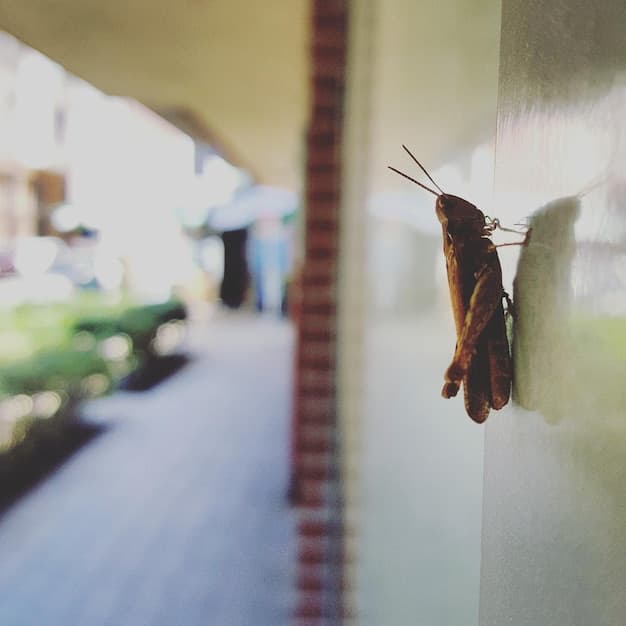
Pests return due to hidden food, moisture, unsealed entry points, and weather. Break the cycle naturally using sealed gaps, moisture control, natural ...
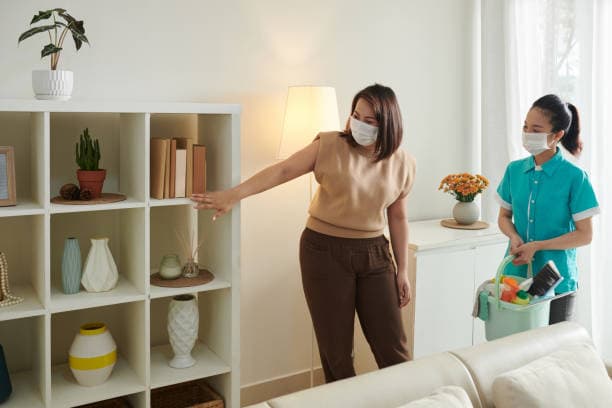
Spring pest prevention uses natural, pet-safe methods like essential oils, vinegar sprays, sealing entry points, moisture control, and companion plant...

Eco-friendly pest control for renters uses natural, non-toxic methods like peppermint oil, vinegar, and traps to safely manage pests without damaging ...
