
You’ve cleaned every corner, tossed out old crumbs, and still, pests keep coming back.
It’s frustrating to see the same unwelcome guests return despite your best efforts.
Understanding why pests return after cleanup is key to breaking the cycle naturally.
In this post, you’ll get simple, safe steps to stop infestations for good—using easy, eco-friendly methods that protect your home and pets. Learn more about integrated pest management here.
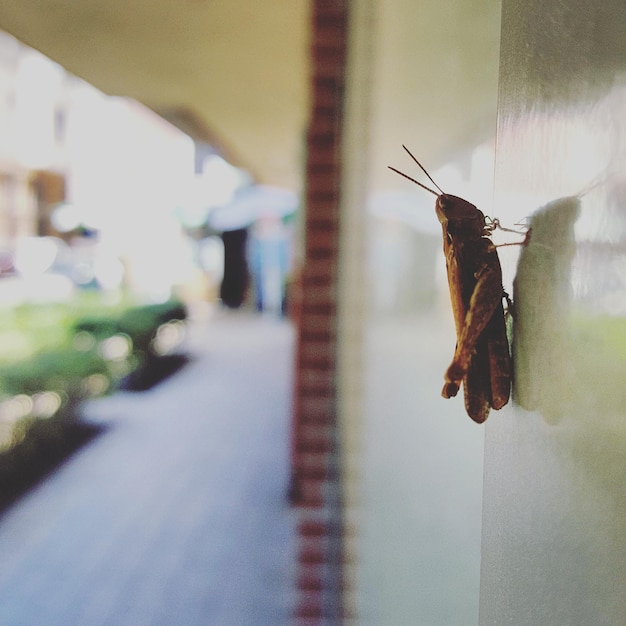
Sometimes, even after a thorough cleanup, pests find their way back.
Understanding these hidden reasons can help you tackle the problem effectively.
Many people think cleaning alone will keep pests away, but there’s more to it.
Pests are drawn to food and water, so even tiny crumbs or a small water spill can invite them back.
Also, certain scents, like leftover pet food, can attract pests.
Consider this: most people overlook areas like under appliances or inside cabinets.
These overlooked spots can become safe havens for pests.
Regular checks can help you spot these problem areas before pests make them a home.
Another surprising trigger is the change in weather.
As temperatures drop, pests seek warmth inside your home.
The key is to stay vigilant and address these triggers promptly.
Pests are experts at finding their way inside.
Even tiny cracks or gaps in doors and windows can be open invitations.
Inspect your home for unsealed entry points.
Use caulk or weather stripping to close off these gaps.
Think about this: a mouse can squeeze through a hole the size of a dime.
By sealing even the smallest openings, you can block their entry.
Regularly check areas around pipes, electrical outlets, and vents.
This simple step can make a big difference in keeping pests out.
Moisture is a magnet for pests.
Damp areas, like basements or bathrooms, can become breeding grounds.
Keep these areas dry to deter pests.
Fix any leaks promptly and use a dehumidifier if needed.
Most people don’t realize that even a small leak under the sink can attract insects.
Regularly inspect your home for signs of moisture.
Keeping your home dry is crucial in breaking the pest cycle.
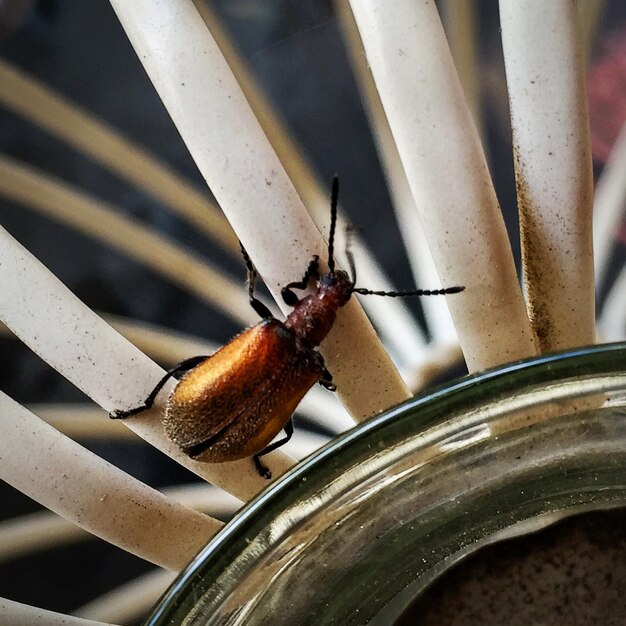
It’s not just about getting rid of pests; it’s about keeping them from coming back.
Here’s how you can break the cycle using natural methods.
You don’t need harsh chemicals to control pests.
Simple ingredients like vinegar can be effective.
Use a vinegar cleaner to wipe down surfaces and deter pests.
It’s a safe and eco-friendly solution.
Another natural fix is using sticky traps.
These can catch insects and help you monitor pest activity.
Place them in areas where you’ve noticed pest activity.
This way, you can act quickly if pests return.
Essential oils are a great way to keep pests at bay without harming your pets.
Oils like peppermint and lavender can repel insects.
Mix a few drops with water and spray around entry points and other problem areas.
An added bonus: these sprays also leave your home smelling fresh.
Remember to test a small area first to ensure there’s no adverse reaction for your pets.
This natural method is both effective and safe.
Diatomaceous earth is a natural pest control solution.
It’s safe, non-toxic, and can be used around pets.
Sprinkle it in areas where pests are likely to enter or hide.
Here’s how it works: the powder sticks to pests and dehydrates them.
It’s an excellent solution for ants, cockroaches, and other common pests.
Just ensure the product is food-grade to keep it safe for your household.

Prevention is key.
By monitoring and adjusting your home environment, you can keep pests away for good.
Take control with DIY strategies.
Use natural barriers, like planting pest-repelling herbs in your garden.
Basil, mint, and rosemary are great options.
Another strategy is using homemade traps.
For instance, create a fruit fly trap using apple cider vinegar and a jar.
These simple strategies can keep your home pest-free.
Regular inspections help catch problems early.
Create a checklist to guide your inspections.
Start with entry points: doors, windows, and vents.
Check for any gaps or damage.
Next, inspect your kitchen and pantry.
Look for signs of pests like droppings or gnaw marks.
Finally, check damp areas for leaks or mold.
This checklist ensures no area is overlooked.
Your yard can be a source of pests.
Keep it tidy to prevent infestations.
Remove debris and standing water.
Trim bushes and trees away from your home to avoid giving pests a bridge inside.
Planting pest-repelling plants can also help.
Marigolds are great for keeping bugs away.
These adjustments make your garden and yard less inviting to pests, helping maintain a pest-free home.
With these strategies, you can protect your home naturally and effectively.
Remember, the longer you wait, the more challenging it becomes to break the pest cycle.
Take action now and enjoy a pest-free environment.
For more tips on maintaining a pest-free home, check out this informative resource.
Spring pest prevention uses natural, pet-safe methods like essential oils, vinegar sprays, sealing entry points, moisture control, and companion plant...

Eco-friendly pest control for renters uses natural, non-toxic methods like peppermint oil, vinegar, and traps to safely manage pests without damaging ...
Use household items like vinegar, citrus peels, baking soda, coffee grounds, peppermint oil, and dish soap for safe, eco-friendly pest control. Combin...
This guide offers natural, eco-friendly pest control methods—early monitoring, healthy soil, companion planting, beneficial insects, and homemade spra...
