
Spring pest prevention doesn’t have to mean harsh chemicals or costly treatments.
You can protect your home naturally using simple ingredients and smart habits.
This spring pest prevention checklist shows you how to keep ants, mosquitoes, rodents, and more at bay with safe, affordable methods you can trust.
Follow along to create a pest-proof home that’s healthy for your family, pets, and garden.
For more tips on preparing your home, check out this spring clean-up list.

Let’s start inside your home, the sanctuary that needs to be kept pest-free.
Simple changes can make a big impact in preventing unwanted visitors.
The first step in pest prevention is to block their way in.
Check around windows, doors, and your home’s foundation.
Look for small gaps or cracks where pests might sneak through.
Use caulk or weather stripping to fill these spaces.
An estimated 30% of pest issues can be reduced just by sealing entry points.
Keep an eye on vents, too.
Mesh screens can keep critters out without blocking airflow.
This small effort can make a big difference in keeping pests out.
Your kitchen holds the key to natural pest management.
Lemons, for instance, can repel ants.
Simply wipe down surfaces with lemon juice.
For cockroaches, mix equal parts of sugar and baking soda.
The sugar attracts them, and the baking soda eliminates them.
Try cinnamon for ants.
Sprinkle it along entry paths to deter them.
These ingredients are not just for cooking—they’re your secret weapon against pests.
A tidy home is less inviting to pests.
Regularly clean and organize your rooms.
Remove clutter where pests can hide, and vacuum regularly to pick up crumbs.
Pay special attention to the kitchen and bathroom, as these areas attract pests due to water and food.
Don’t forget to clean under appliances and furniture.
This will create an environment that pests find unappealing.

Beyond your home’s walls, your yard can be a frontline defense against pests.
With the right tips, you can keep pests from getting close.
Rodents are resourceful but can be kept at bay.
Trim trees and shrubs away from your house to remove bridges for rodents.
Keep trash cans tightly sealed and store firewood at least 20 feet from your home.
Using gravel or stone around your home can deter rodents, as they prefer softer surfaces to dig.
These proactive steps can prevent a rodent problem before it starts.
Your garden shouldn’t attract pests.
Planting herbs like basil and mint can naturally deter insects.
Use mulch to cover soil and prevent weeds, but be careful—too much can harbor pests.
Consider introducing beneficial insects like ladybugs.
They prey on harmful pests and can keep your garden healthy.
These little helpers work hard to protect your plants.
Pests thrive in damp areas.
Check for leaks in hoses and outdoor taps, and ensure gutters are clear.
This prevents water from pooling.
Use gravel to improve drainage around your home.
These simple moisture control techniques can reduce pest populations significantly.
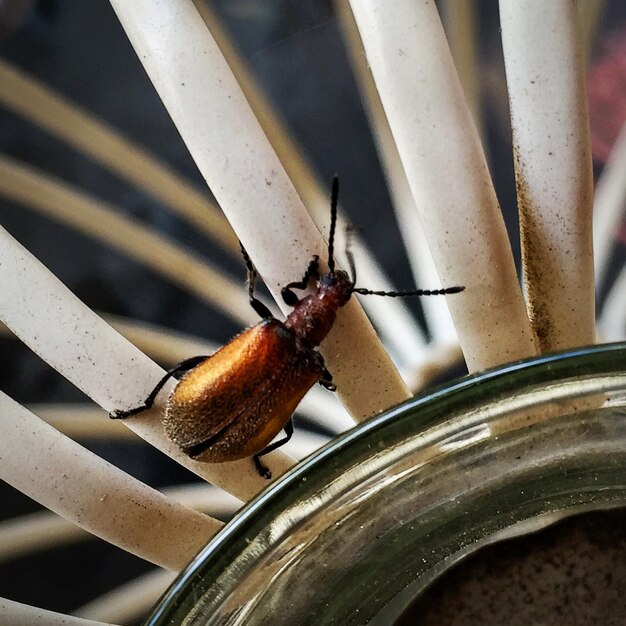
Harness the power of nature to repel pests.
These solutions are effective and safe for your family and pets.
Essential oils are potent allies in pest control.
Mix peppermint oil with water and spray it around your home to deter spiders.
Lavender oil is great for repelling moths and mosquitoes.
Tea tree oil can keep ants and other insects away.
These oils smell pleasant to us but are effective deterrents for pests.
Vinegar is more than a kitchen staple.
Its strong odor disrupts pest trails.
Wipe surfaces with a vinegar solution to deter ants and flies.
For fruit flies, mix vinegar and dish soap in a bowl and leave it out.
They are drawn to the vinegar but trapped by the soap.
This method is simple yet highly effective.
Diatomaceous earth is a natural powder that eliminates pests by dehydrating them.
Sprinkle it in areas where pests frequent, like under sinks or around the garden.
Be sure to use food-grade diatomaceous earth, which is safe for people and pets.
This method is not only effective but also safe for your home environment.
By following this checklist, you’ll be well on your way to a healthier, pest-free home.
Remember, the longer you wait, the more pests can settle in.
Take action now and enjoy a pest-free spring!
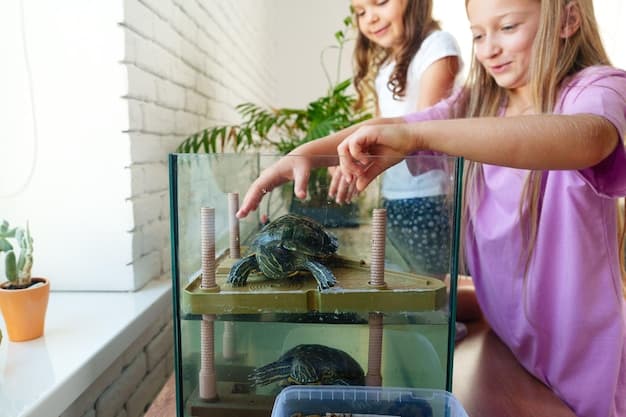
Learn natural, reptile-safe pest control: use food-grade diatomaceous earth outside enclosures, water-filled leg moats for ants, vinegar cleaning, sub...
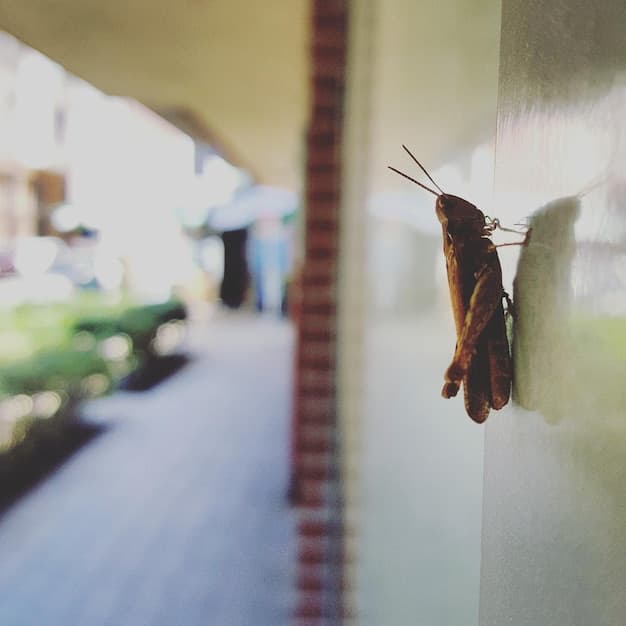
Pests return due to hidden food, moisture, unsealed entry points, and weather. Break the cycle naturally using sealed gaps, moisture control, natural ...
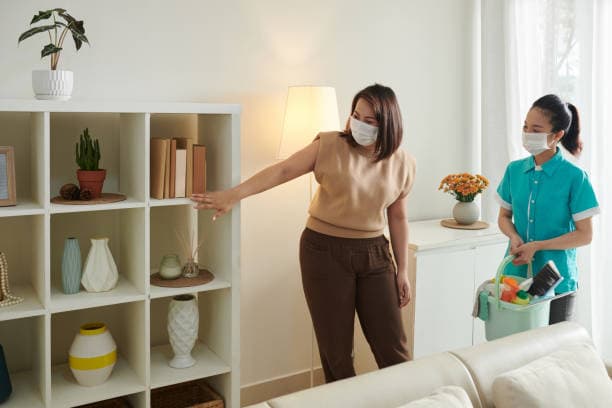
Spring pest prevention uses natural, pet-safe methods like essential oils, vinegar sprays, sealing entry points, moisture control, and companion plant...

Eco-friendly pest control for renters uses natural, non-toxic methods like peppermint oil, vinegar, and traps to safely manage pests without damaging ...
