
Pests in your reptile habitat can cause real trouble without warning.
Using harsh chemicals puts your scaly friend at risk, making safe pest management a top priority.
In this guide, you’ll find natural pest control methods that protect your reptile’s home while keeping it pest-free and healthy.
Explore more tips and get personalized advice by subscribing to our newsletter! [https://www.zenhabitats.com/blogs/reptile-care-sheets-resources/how-to-quarantine-terrarium-plants-for-reptile-enclosures?srsltid=AfmBOooLVSpSz1mtS3D1QUwXG8Krynbrkh50MsmJN7OtWcsKxcX7Q1Vf]
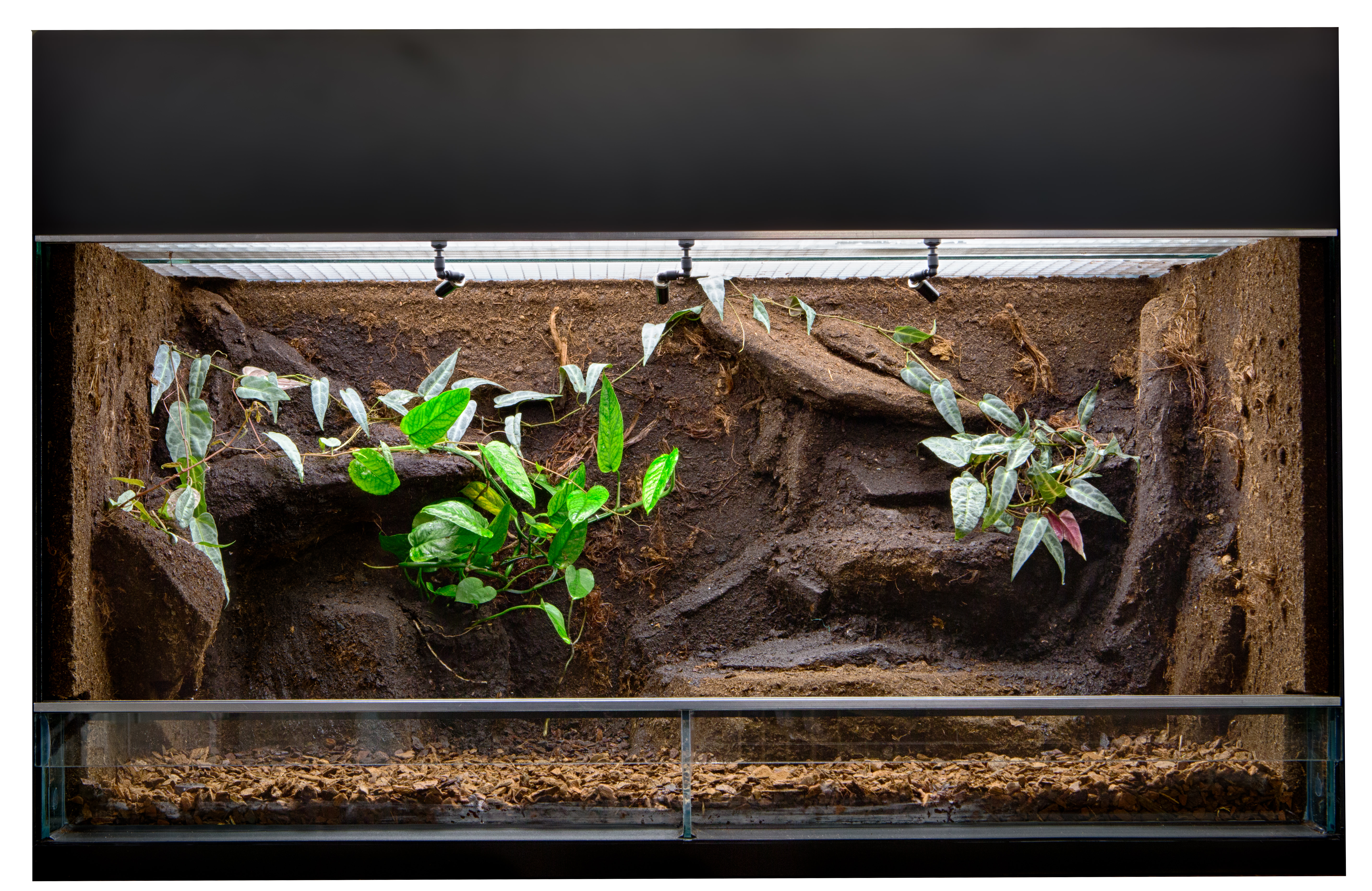
Creating a safe space for your reptiles means keeping unwanted guests away.
But why is this important, and what are the dangers of using typical pest treatments?
Your reptile’s well-being depends on a clean habitat.
A pest-free environment keeps your pet healthy and stress-free.
Bugs and other critters can introduce diseases or cause discomfort.
Maintaining cleanliness ensures your reptile’s habitat remains a sanctuary.
Most people believe a few bugs won’t matter, but even small infestations can escalate quickly, impacting your pet’s health and happiness.
Using chemical treatments might seem like a quick fix, but they can harm your reptile.
These solutions often contain toxic substances that are unsafe for reptiles.
Imagine spraying a chemical only to find your pet acting sluggish or unwell afterward.
It’s not worth the risk.
Opting for natural methods protects your reptile from these dangers without sacrificing effectiveness.
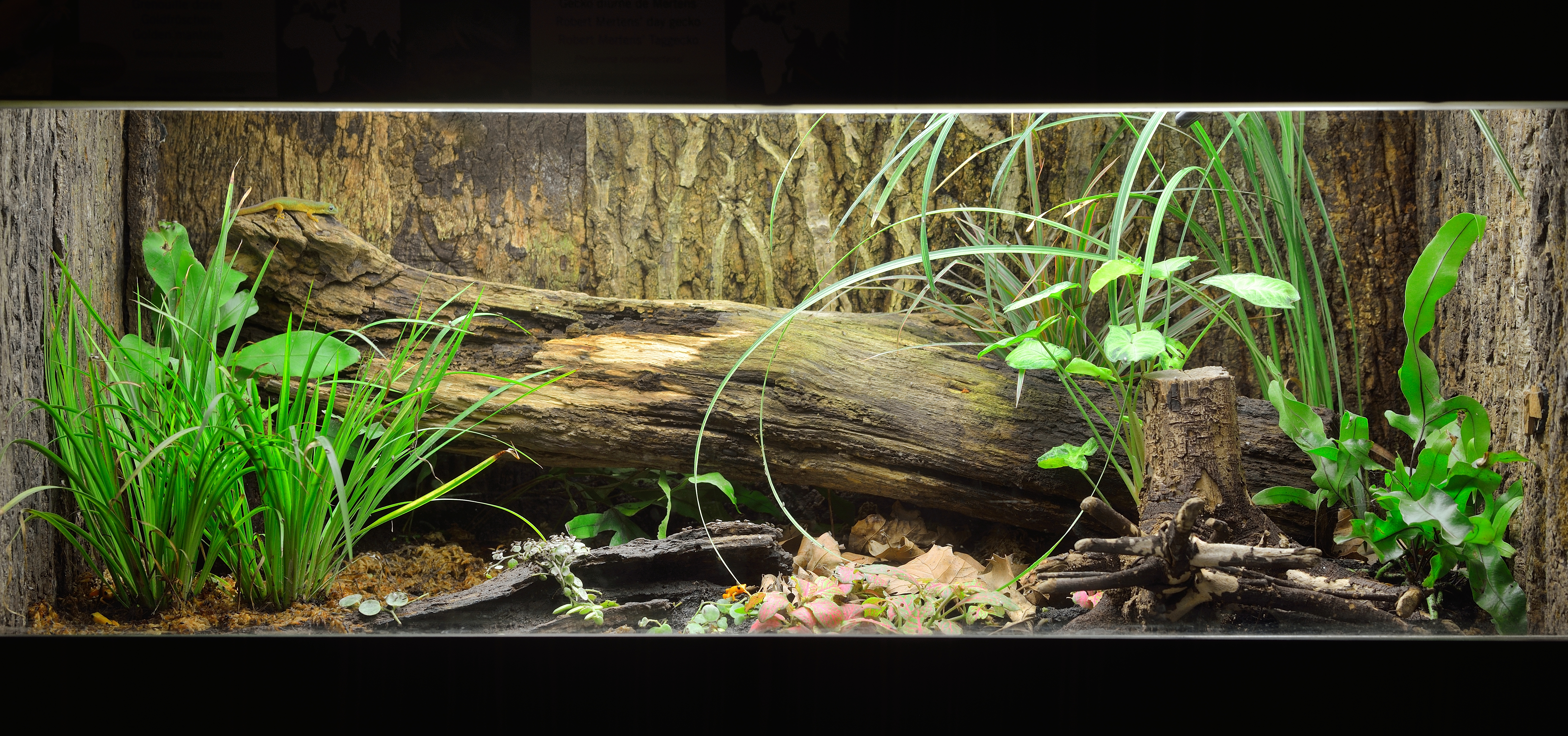
Ready to explore safer options?
Let’s dive into techniques that shield your pet without harmful side effects.
You can manage pests safely and naturally.
Start by keeping your habitat clean.
Regular cleaning routines remove food scraps that attract pests.
Use natural substances like mint or lavender oil, which pests dislike.
These are safe for reptiles and people alike.
Another tip is to install screen covers on tanks to prevent bugs from entering.
You’ll find that simple changes can drastically reduce pest problems.
For more insights, explore reptile owners’ discussions on effective pest control.
Certain plants and essential oils can deter pests.
Consider placing dried lavender or cedar in the room where you keep your reptiles.
These natural repellents work well without causing any harm.
Sprinkling cinnamon near entry points can also discourage ants and other insects.
Remember, these natural solutions are not just about repelling pests but doing so safely.
Most people think natural means less effective, but they can be pleasantly surprised by the results.
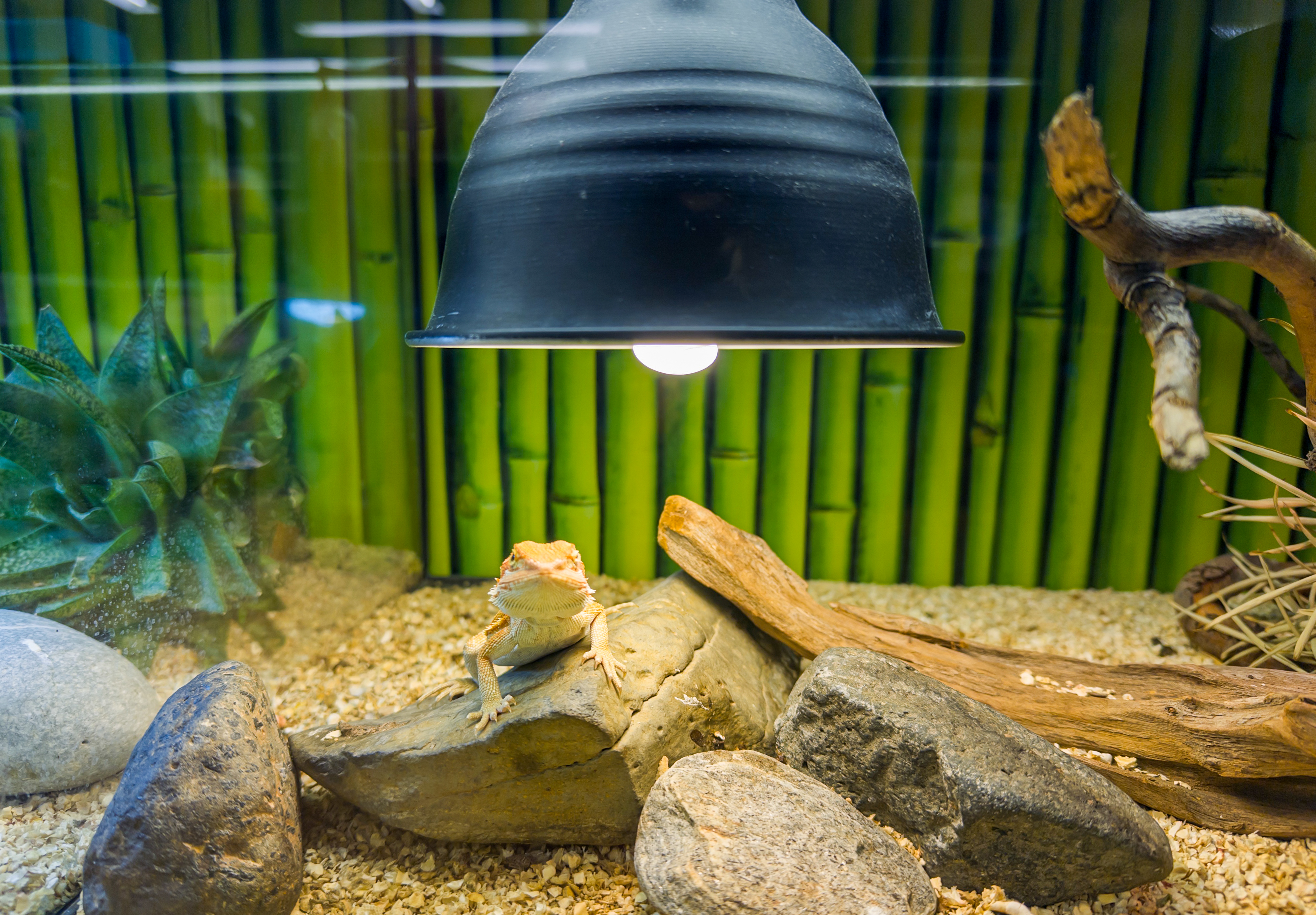
Consistency is key.
Let’s look at how you can keep pesky invaders out for good.
Maintaining your reptile’s home is crucial.
Regularly checking for and removing uneaten food prevents pest attraction.
Clean water bowls daily to stop algae growth, which can invite insects.
Every week, inspect your habitat for cracks or gaps where pests might sneak in.
A little effort can make a big difference in keeping your pet’s area secure and comfortable.
Learn more about habitat maintenance from reptile enthusiasts.
Set up a routine to check for signs of pests.
Look for droppings or gnawed materials as indicators.
If you spot something suspicious, act fast to identify and address the issue.
Use sticky traps around the outside of the habitat to catch intruders before they get in.
Prevention saves you time and stress.
The longer you wait, the harder it becomes to control pests.
By staying vigilant, you can ensure a safe space for your reptile.
For more on how to create a harmonious environment for your reptile, visit Backyard Amphibians & Reptiles.
By embracing these natural strategies, you’re not just protecting your reptile—you’re also taking a stand for a healthier home environment.
Enjoy the peace of mind that comes with a pest-free habitat that keeps your reptile thriving.

Guide offers affordable, natural pest control for renters using safe, eco-friendly methods like sealing gaps, kitchen ingredients, essential oils, and...
This guide details natural, reptile-safe pest control: identifying pests like snake mites and gnats, using bioactive helpers, predatory mites, natural...
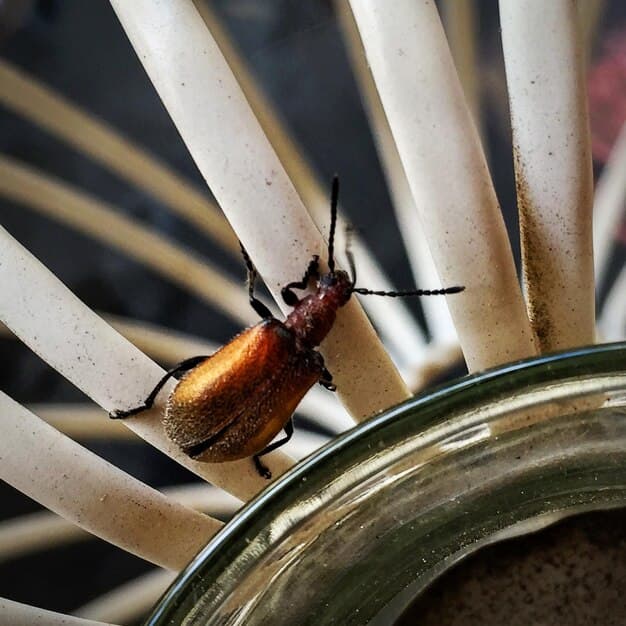
DIY guide offers safe, eco-friendly pest traps using household items like vinegar, sugar, yeast, and beer to control fruit flies, cockroaches, mosquit...

Learn eco-friendly pest control: use companion planting, attract beneficial insects, apply neem oil, soap sprays, diatomaceous earth, maintain garden ...
