
Pests creeping into your home don’t have to drain your wallet or fill your space with harsh chemicals.
You can protect your home using natural pest control methods that are safe, affordable, and kinder to the environment.
In this guide, you’ll find simple DIY pest management tips that anyone can use to keep unwanted guests away—and keep your home healthy.
Let’s explore how easy home pest prevention can be.
For more strategies, check out this resource.
Discovering natural ways to keep pests at bay can be simpler than you think.
By using everyday items, you can create a safer environment without spending much on expensive products.
Your kitchen holds several secrets for pest management.
Did you know that some common kitchen staples can double as pest deterrents? Vinegar and baking soda are two such items.
Vinegar’s strong smell can repel ants when sprayed along entry points.
Mix equal parts water and vinegar for a simple solution.
Baking soda mixed with sugar can attract and eliminate roaches, as they can’t digest the combination.
Sprinkle this mix in areas where you notice roach activity.
Cinnamon is another spice that can help.
Its scent confuses ants and other insects.
Sprinkle a little near doorways and windows, and you’ll notice fewer bugs.
These straightforward tips don’t just save money but also keep harmful chemicals out of your home.
Your garden isn’t just for growing plants—it’s for keeping pests away too.
Certain plants act as natural repellents.
For instance, lavender and marigolds are known to deter mosquitoes and flies.
Plant them around your home’s perimeter for a fragrant and effective barrier.
Lavender’s aroma not only repels pests but also adds a pleasant scent to your garden.
Chrysanthemums are another powerful ally.
They contain a natural insecticide that can keep away cockroaches, ants, and even ticks.
A simple planting strategy can significantly reduce your pest problems while enhancing your garden’s beauty.
Plus, these plants support biodiversity, attracting helpful insects like pollinators.
Now that you’re familiar with using everyday items, let’s delve into homemade solutions that are both practical and effective.
These methods can help you take control over pest issues without calling in costly services.
Creating physical barriers and traps can prevent pests from entering your home in the first place.
One easy method is using sticky tape traps.
Place them in areas with high pest activity to catch insects like ants and spiders.
These traps are affordable and straightforward to set up.
Consider using copper mesh to seal off entry points for rodents.
Its texture deters them from chewing through.
Stuff it into gaps around pipes and vents.
This barrier is not only effective but long-lasting, offering peace of mind without constant maintenance.
By setting up these traps and barriers, you create a line of defense that keeps your home pest-free.
Mixing up your sprays can be both fun and effective.
A simple blend of garlic and water can deter many pests.
Crush a few cloves, add water, and let it steep overnight.
Use this spray on garden plants to ward off insects.
Garlic’s pungent smell is disagreeable to many bugs, making it a reliable option.
Another option is a peppermint oil spray.
Mix a few drops of oil with water in a spray bottle.
This can be used to repel spiders and mice, thanks to its strong scent.
It’s a refreshing and natural way to protect your space.
These DIY solutions prove that you don’t need harsh chemicals to manage pests effectively.
Staying ahead of pests isn’t just about dealing with them when they appear—it’s about preventing them in the first place.
Here are some proactive steps you can take to maintain a pest-free home.
One of the simplest ways to keep pests out is by closing off their entry points.
Check your home for cracks and gaps around windows, doors, and foundations.
Seal these with caulk to prevent insects and rodents from slipping in.
This small step can make a big difference in keeping pests out.
Also, ensure that screens on doors and windows are intact.
Repair any tears promptly.
A single gap can be an open invitation for bugs, so vigilance pays off.
These efforts not only stop pests but also improve your home’s energy efficiency by reducing drafts.
A well-tended garden can be your first line of defense against pests.
Regularly pruning plants and removing debris reduces places for pests to hide.
Keep plants healthy and check for signs of infestation to act immediately.
Use mulch wisely, as it can both help and hinder.
While it conserves moisture, it can also attract pests.
Keep mulch a few inches from your home’s foundation to prevent insects from using it as a bridge.
These small adjustments ensure your garden supports your pest management goals.
By implementing these strategies, you create a barrier that keeps pests at bay while enjoying a lush, thriving garden.
Remember, a little effort today can save you many pest-related headaches in the future.
For more tips, explore this resource.
Avoid common natural pest control mistakes like misusing essential oils, ignoring entry points, and overlooking pest habitats. Use pet-safe remedies, ...
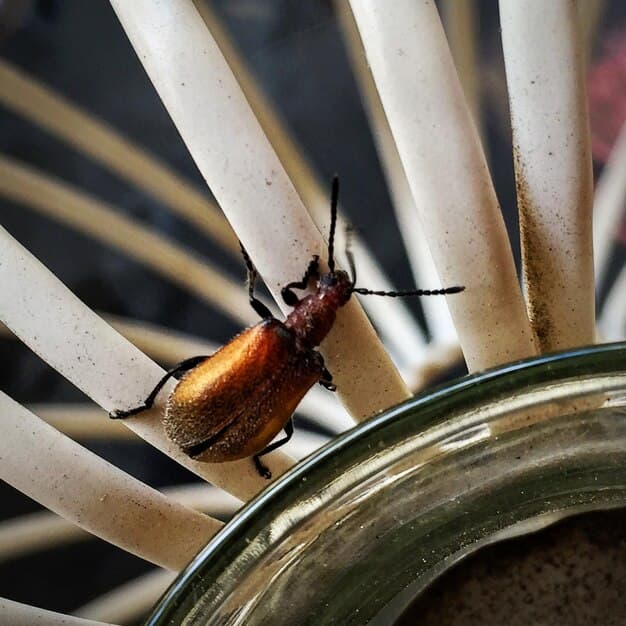
Spring pests surge due to warmer weather seeking food and shelter. Natural, non-toxic methods like vinegar, essential oils, sealing entry points, and ...

Layered natural pest control combines prevention, sealing, trapping, and repellents using safe, non-toxic methods like essential oils, diatomaceous ea...

Year-round guide for natural, chemical-free garden pest control: use seasonal strategies, companion planting, beneficial insects, DIY sprays, traps, a...
